5 days ago
BAPS Eiffel Tower Controversy Exposes Challenges of Cultural Translation
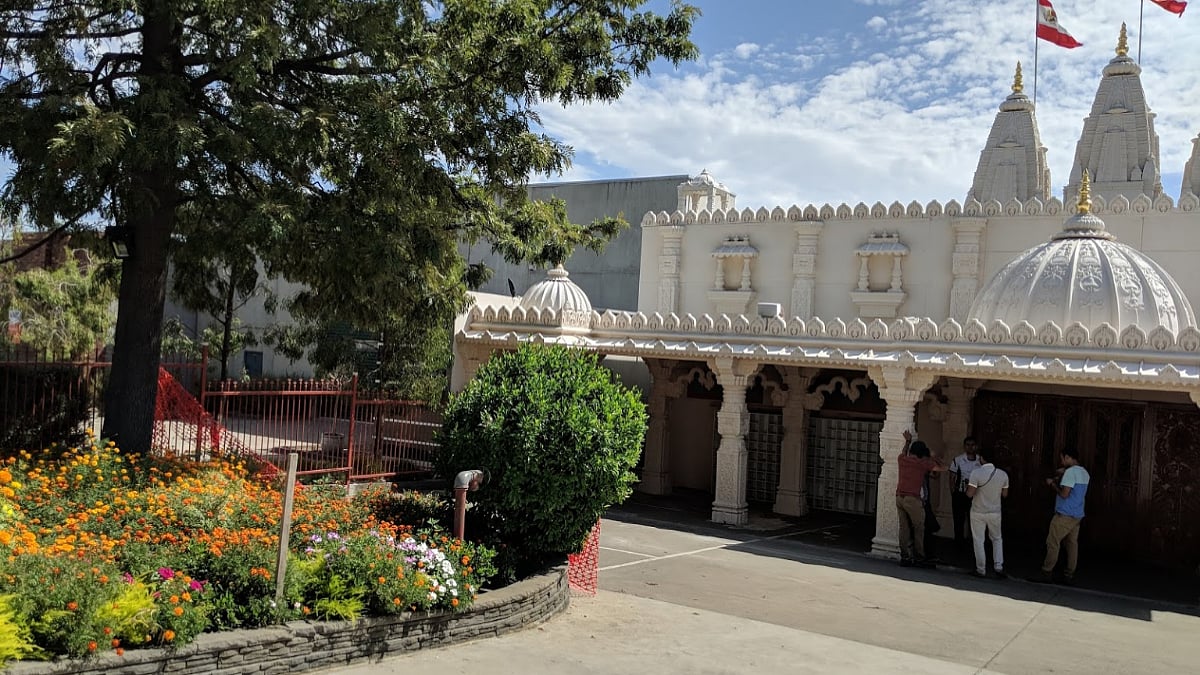
BAPS is a Hindu organization that opened a mandir in France.
During a visit to the Eiffel Tower, some women employees were reportedly kept away from the monks.
Critics said this looked like unfair treatment of women.
BAPS said it did not ask anyone to disappear and that part of the deck was closed for crowd management.
The organization also said its monks follow strict vows about celibacy and limited interaction.
The author argues that these religious rules were misunderstood in a French public setting.
The event caused anger in both France and India.
The author says better communication and a clear apology could help rebuild trust.

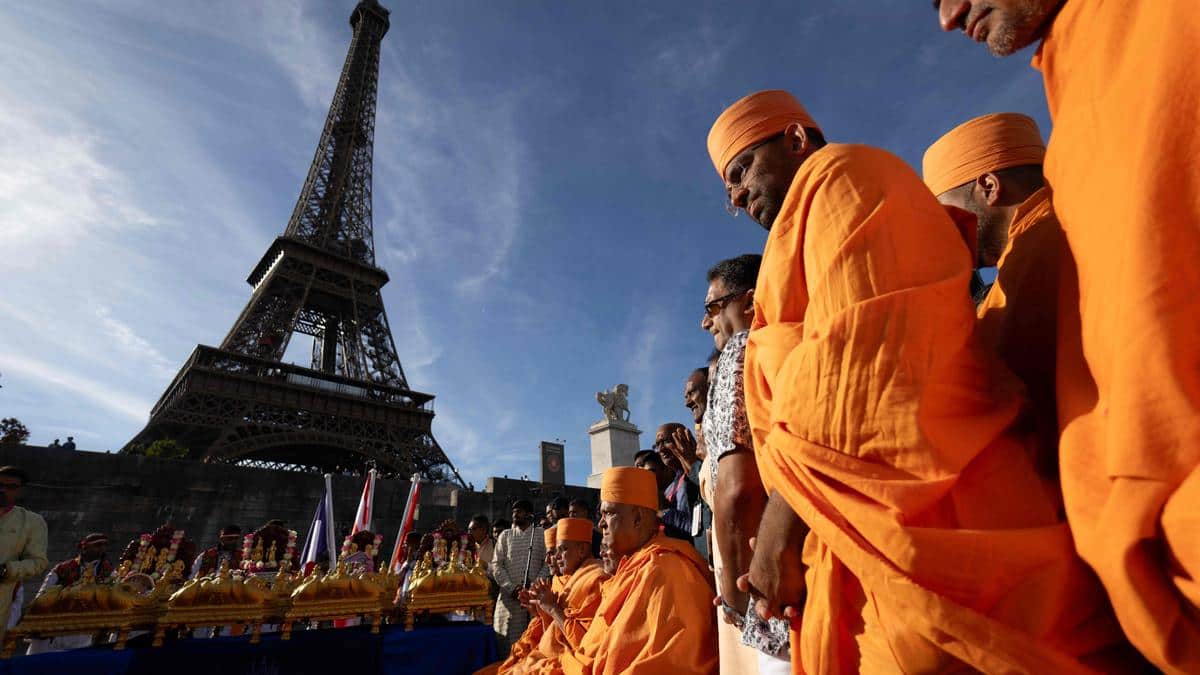
A BAPS delegation visited the Eiffel Tower to inaugurate France’s first traditional Hindu mandir.
Women employees were reportedly sidelined, allegedly to limit interaction with celibate BAPS monks.
BAPS denied asking that women be hidden or dismissed, saying part of the observation deck was cordoned off for a large group.
The episode triggered criticism in France and India, with commentators disputing whether it reflected discrimination or a misunderstanding of monastic vows.
The controversy has prompted calls for clearer explanations, genuine apologies and greater cultural sensitivity from BAPS and its critics.
- Who
- A BAPS delegation of women, men and monks, along with Eiffel Tower employees, were involved; BAPS and its critics responded to the controversy.
- What
- A dispute arose over whether women employees were sidelined during a BAPS delegation’s Eiffel Tower visit and inauguration event.
- Where
- The Eiffel Tower in France, with the new BAPS Hindu Mandir located in Bussy-Saint-Georges near Paris.
- When
- Earlier this month; the article also cites a 2023 visit by BAPS monks to Bussy-Saint-Georges Town Hall.
- Why
- The reported separation was linked to the monks’ lifelong vows of celibacy, but critics interpreted it as discriminatory treatment of women.
Critics’ View
BAPS Context
Treatment of women
Critics’ View
Critics viewed the reported separation of women employees as discriminatory and inconsistent with equality in public life.
BAPS Context
BAPS denied ordering women to be hidden or dismissed, while supporters said participants maintained distance to respect the monks’ personal vows.
Meaning of the incident
Critics’ View
Some commentators treated the episode as evidence that strict religious rules can impose unequal expectations on women.
BAPS Context
The article argues that the incident reflected a breakdown in cultural translation and that the monks’ vows were intended as personal discipline, not restrictions on wider society.
Responsibility for the controversy
Critics’ View
Critics and activists placed responsibility on BAPS to anticipate how its practices would be understood in France and to communicate more clearly.
BAPS Context
The author argues that media coverage, political opportunism and a labor dispute involving Tower management also contributed to the controversy, while recommending that BAPS apologize and explain its principles more effectively.
Key facts
- Organization
- BAPS, a Hindu institution within the Swaminarayan tradition
- Delegation size
- About 100 women, men and monks
- Religious practice
- Approximately 1,300 BAPS monks observe lifelong vows of brahmacharya, or celibacy
- Contested allegation
- Women employees were reportedly sidelined to minimize interaction with monks
- BAPS response
- BAPS denied requesting that female staff be hidden or dismissed
- Location
- The Eiffel Tower; the new mandir is in Bussy-Saint-Georges
- Local relationship
- Mayor Yann Dubosc said BAPS had spent about ten years building trust with the local community
Sources
Related news
Eiffel Tower Strike Brings Scrutiny to BAPS Gender Controversy

Mahant Swami Maharaj At Center Of Eiffel Tower Controversy

Eiffel Tower Dispute Raises Questions About BAPS and Government Ties

India Steps Aside From Eiffel Tower BAPS Row
BAPS Denies Gender-Based Request During Eiffel Tower Visit

Eiffel Tower Staff Strike Over Women Sidelined During BAPS Visit
FIR Filed After Prayagraj Temple Wall Collapses During Excavation

Swaminarayan Temple in Australia Vandalized with Hate Graffiti