18 hrs ago
Delhi Police Face Multiple Moving Crowds During CEC Protests
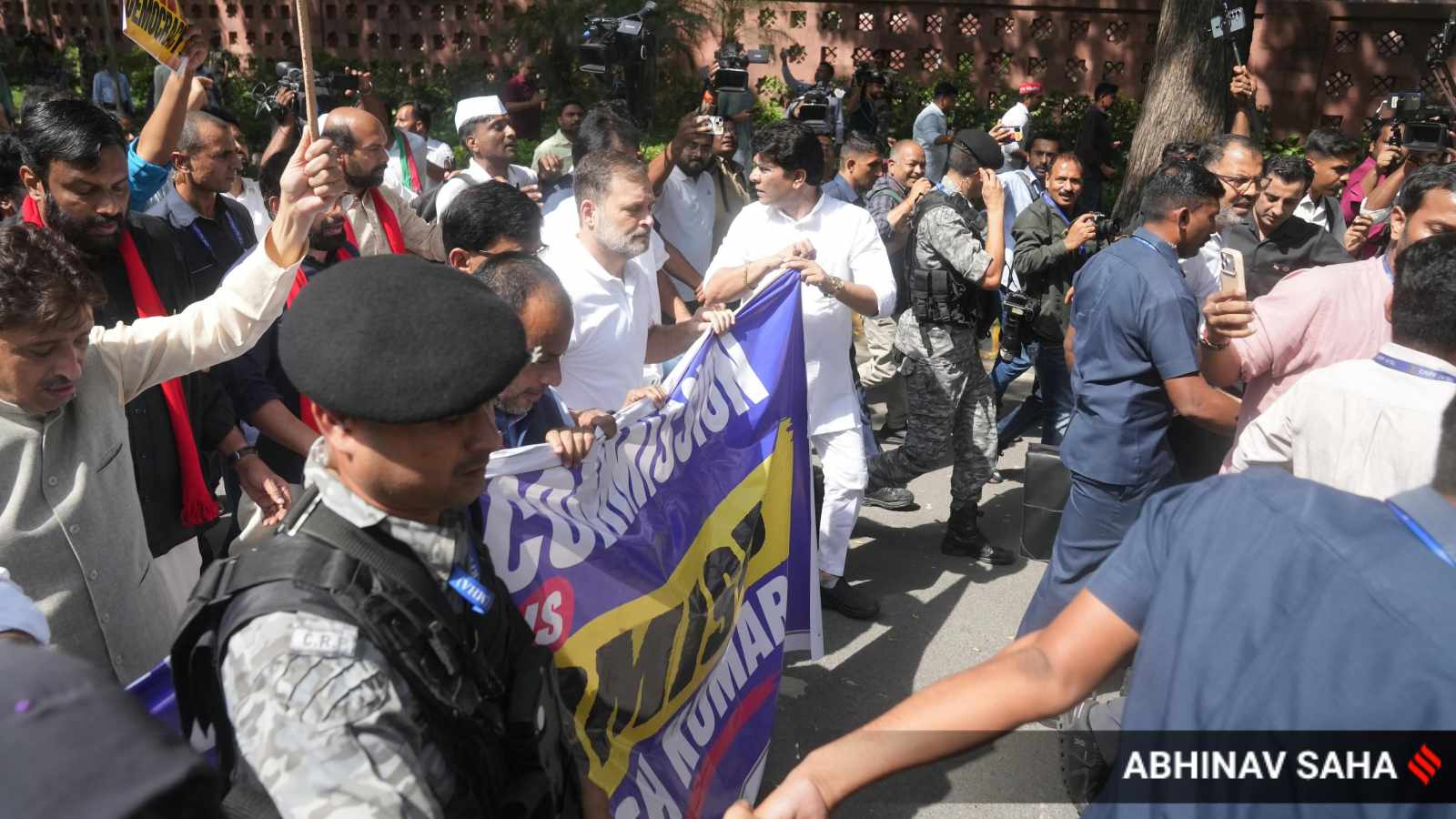
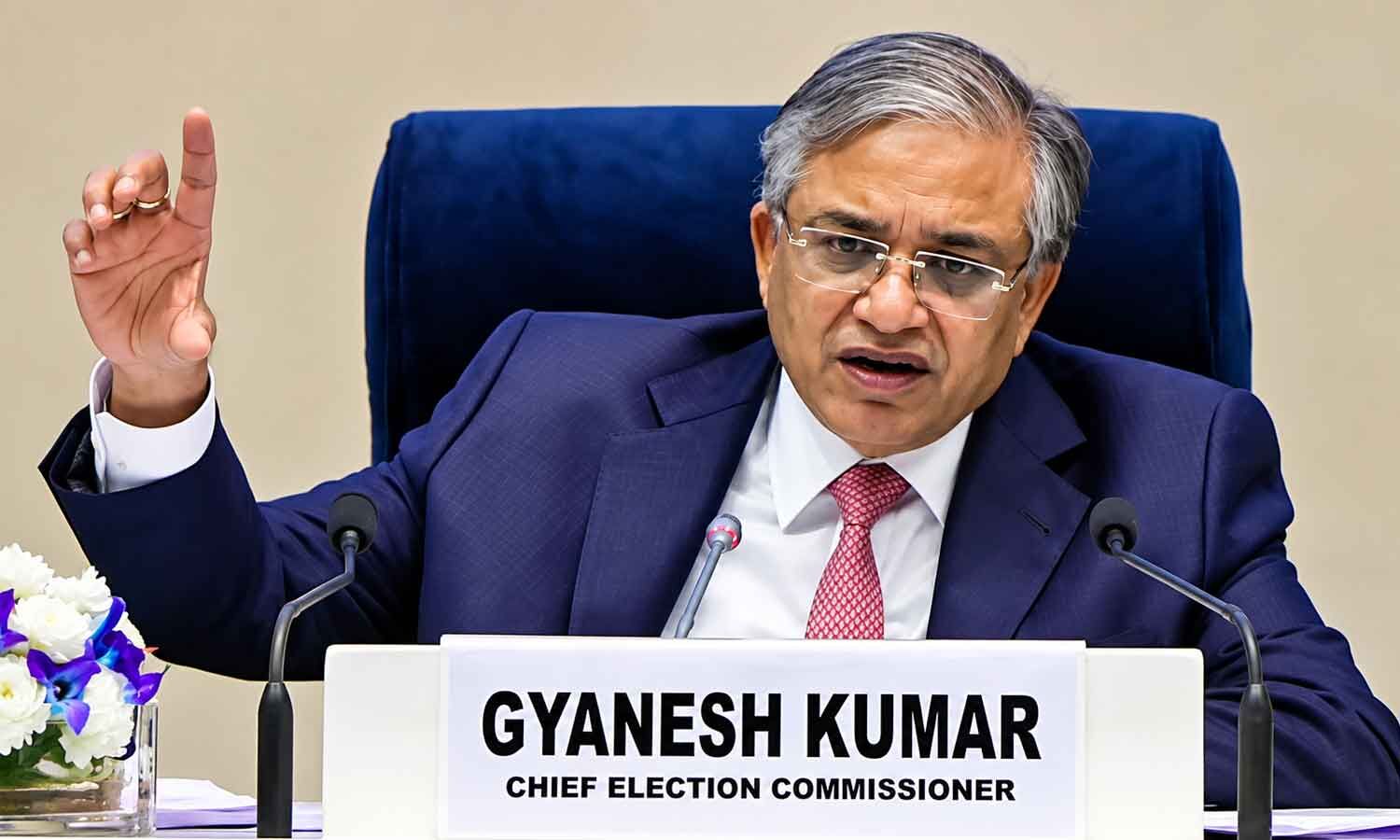
A protest against Chief Election Commissioner Gyanesh Kumar was planned at Jantar Mantar for October 2.
Over the next four days, different groups tried to march through parts of central Delhi.
Police said the groups were moving in different places and trying to reach restricted areas.
Officers blocked roads and brought in police and paramilitary personnel.
Police registered more than nine cases connected to the protests.
Three women journalists said police harassed them, and their complaints are being investigated by the Crime Branch.
Police also told journalists to show their press identification and keep a safe distance from police operations.
Officers said they were trying to tell reporters apart from protesters, some of whom were filming events.

A protest planned for October 2 at Jantar Mantar against Chief Election Commissioner Gyanesh Kumar spread across central Delhi over four days.
Police denied permission for the march, imposed prohibitory orders and reinforced roads leading to Jantar Mantar with barricades and personnel.
Police said multiple groups, including political parties, students, activists and lawyers, were trying to march towards restricted areas; more than nine FIRs were registered.
After three women journalists alleged police harassment, their complaints were transferred to the Crime Branch and police issued an advisory for media covering the protests.
Police cited lessons from a July protest that continued beyond its permitted day, while officers were advised to stay calm and patient during crowd control.
- Who
- Groups including political parties, student organisations, activists and lawyers; Delhi Police; and journalists covering the protests.
- What
- Protests against Chief Election Commissioner Gyanesh Kumar spread across central Delhi, prompting police barricades, deployments and more than nine FIRs.
- Where
- Jantar Mantar and other areas of central Delhi.
- When
- The protest was planned for October 2 and spread over the following four days; police issued a media advisory on Monday.
- Why
- The protest was against Chief Election Commissioner Gyanesh Kumar; police said they were seeking to prevent groups from entering restricted areas.
Journalists and complainants
Delhi Police
Police conduct toward journalists
Journalists and complainants
Three women journalists alleged that police personnel harassed them while they were covering the protests; their complaints were sent to the Crime Branch for investigation.
Delhi Police
Police issued guidance asking journalists to display credentials, avoid obstructing operations, keep a safe distance and distinguish themselves from protesters.
Identifying reporters at demonstrations
Journalists and complainants
The article reports journalists' complaints about their treatment while covering the protests.
Delhi Police
An officer said people protesting sometimes also film events with microphones and mobile phones, making it difficult for police to distinguish journalists from activists.
Key facts
- Planned protest date
- October 2
- Protest location
- Jantar Mantar, Delhi
- Duration described
- The protests had spread across central Delhi over four days.
- FIRs
- Delhi Police registered more than nine.
- Police deployment
- Paramilitary personnel, local police from eight New Delhi district police stations, and Delhi Police Reserve Battalion personnel.
- Journalists' complaints
- Three women journalists alleged harassment by police personnel; their complaints were transferred to the Crime Branch.
- Media advisory
- Journalists were asked to display organisation-issued identification or valid PIB/DIP accreditation and keep a safe distance during tense situations.
- July protest cited
- A Cockroach Janta Party protest at Jantar Mantar continued into a second day after permission had been granted for one day.
Quotes
A Delhi Police officer
Police officer discussing operational challenges during the protest.
“The challenge is not merely about preventing a crowd from entering Jantar Mantar, which is already heavily fortified. It is about controlling multiple moving groups, preventing attempts to breach barricades, managing detentions and, simultaneously, dealing with a large number of people recording events on mobile phones and cameras.”
 indianexpress.com
“Because many of those protesting also sometimes start making videos, with a mic and mobile phone camera, it becomes extremely difficult for us to distinguish between an actual journalist and activists.”
indianexpress.com
Sources
Related news
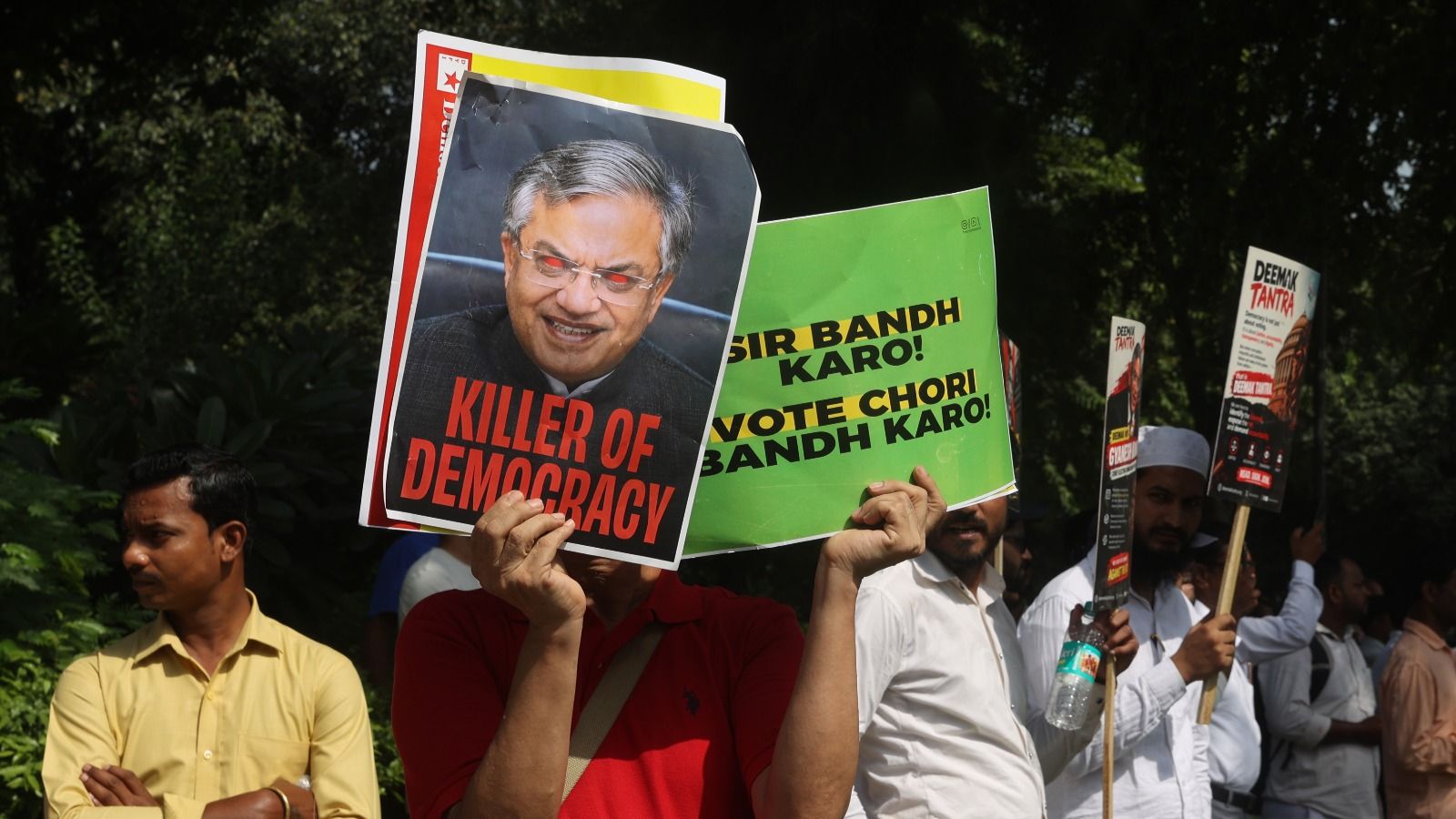
Delhi Protesters Detained as Jantar Mantar Sealed Against Election Commission
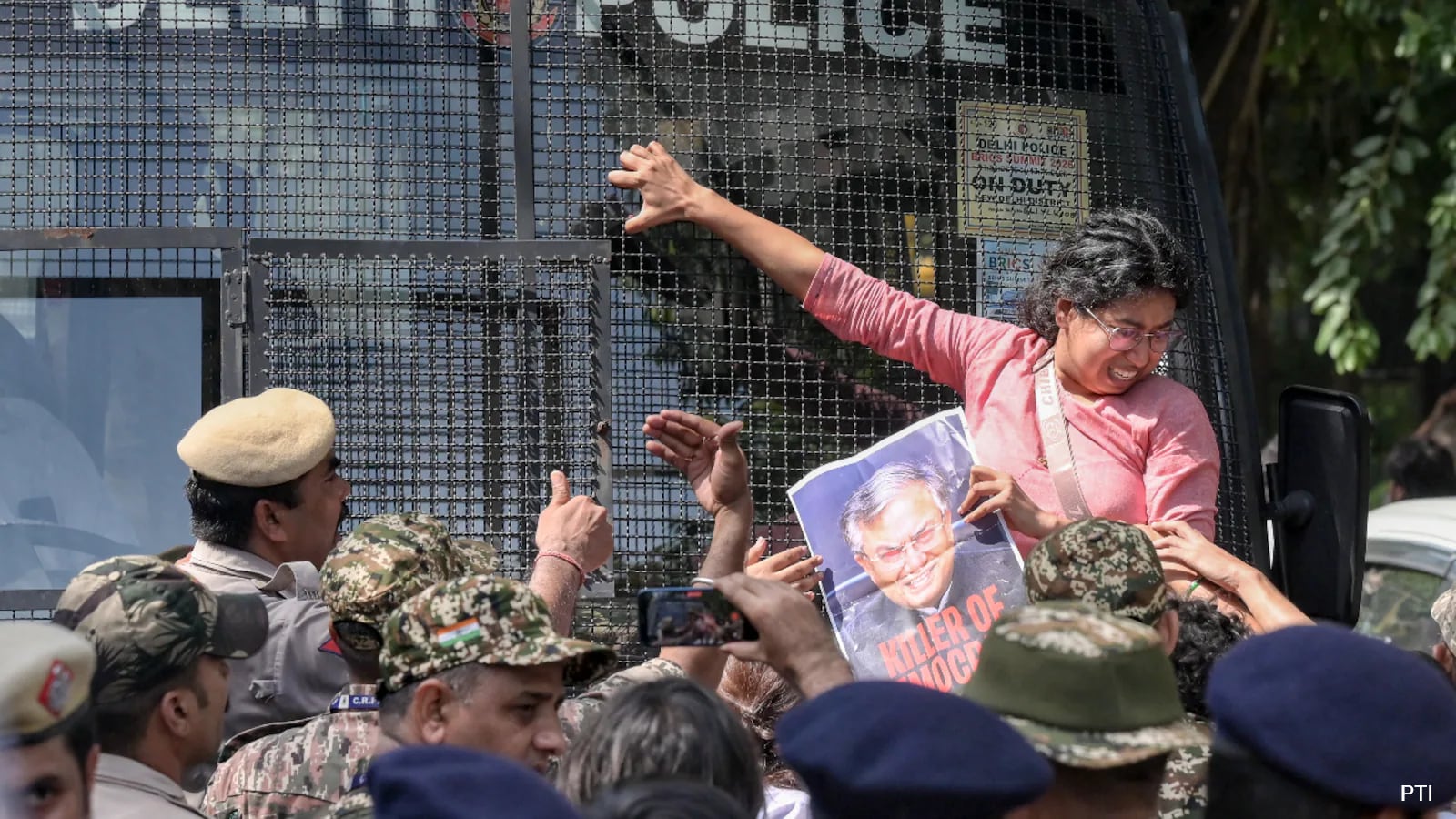
Delhi Police Detain Nearly 1,000 in Jantar Mantar Protest
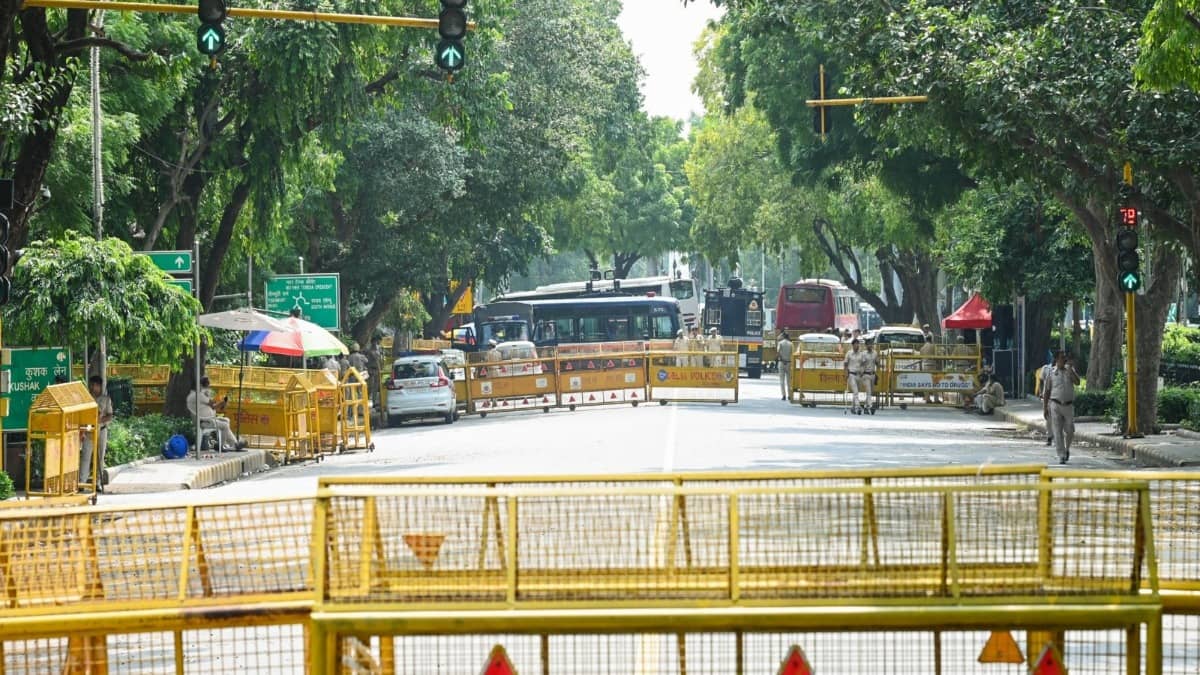
Security Tightened Ahead of Opposition March Near Election Commission
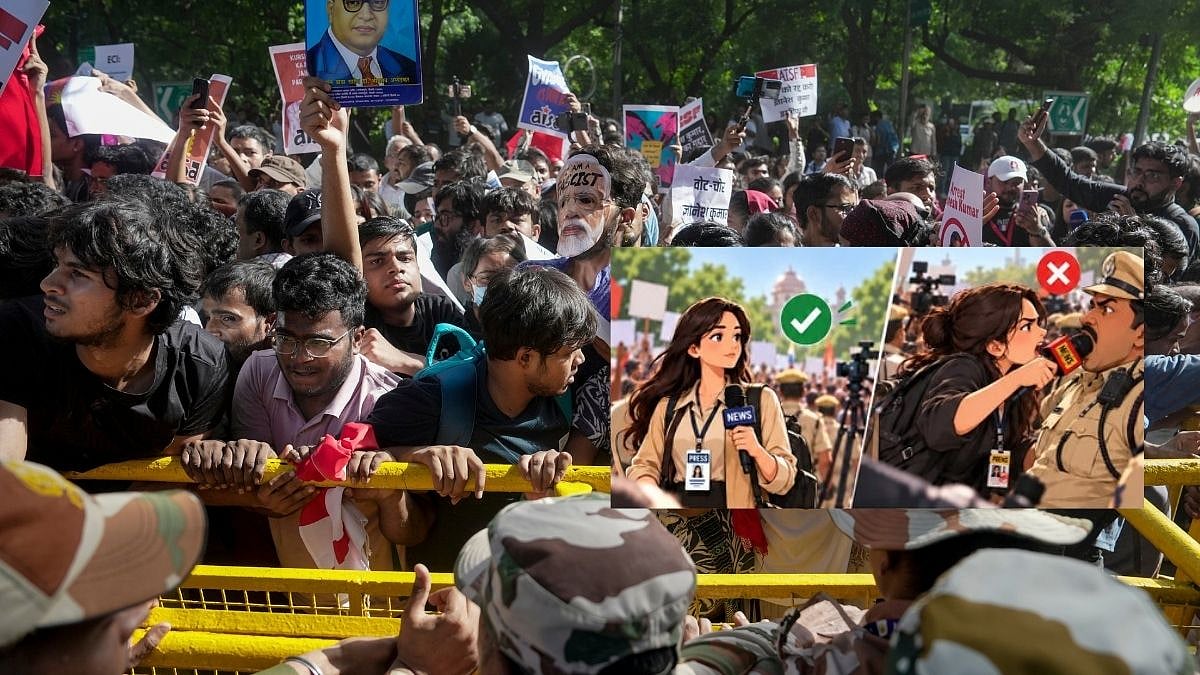
Delhi Police Issues Journalist Guidelines Amid Jantar Mantar Harassment Allegations
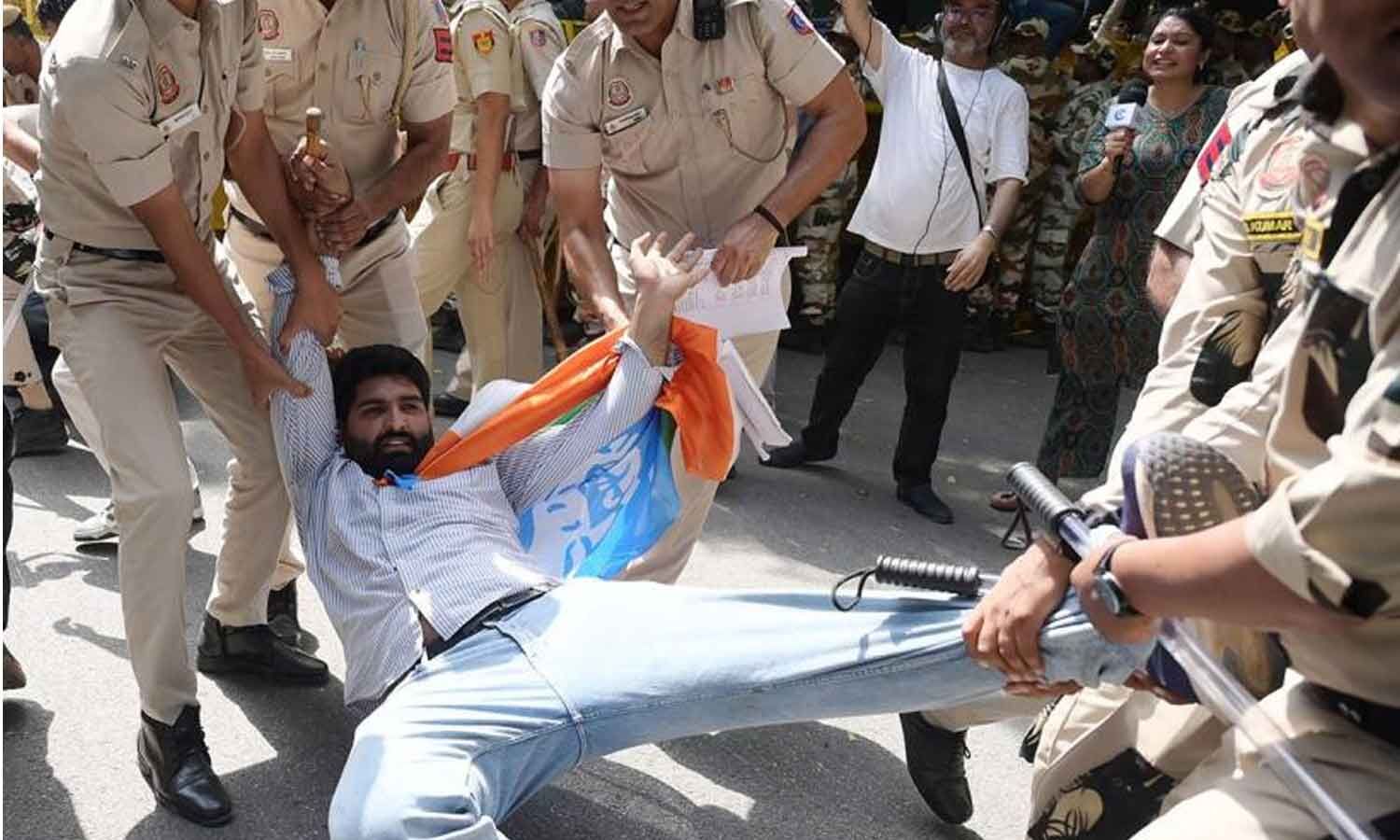
Delhi Police Register Three FIRs After Jantar Mantar Protests
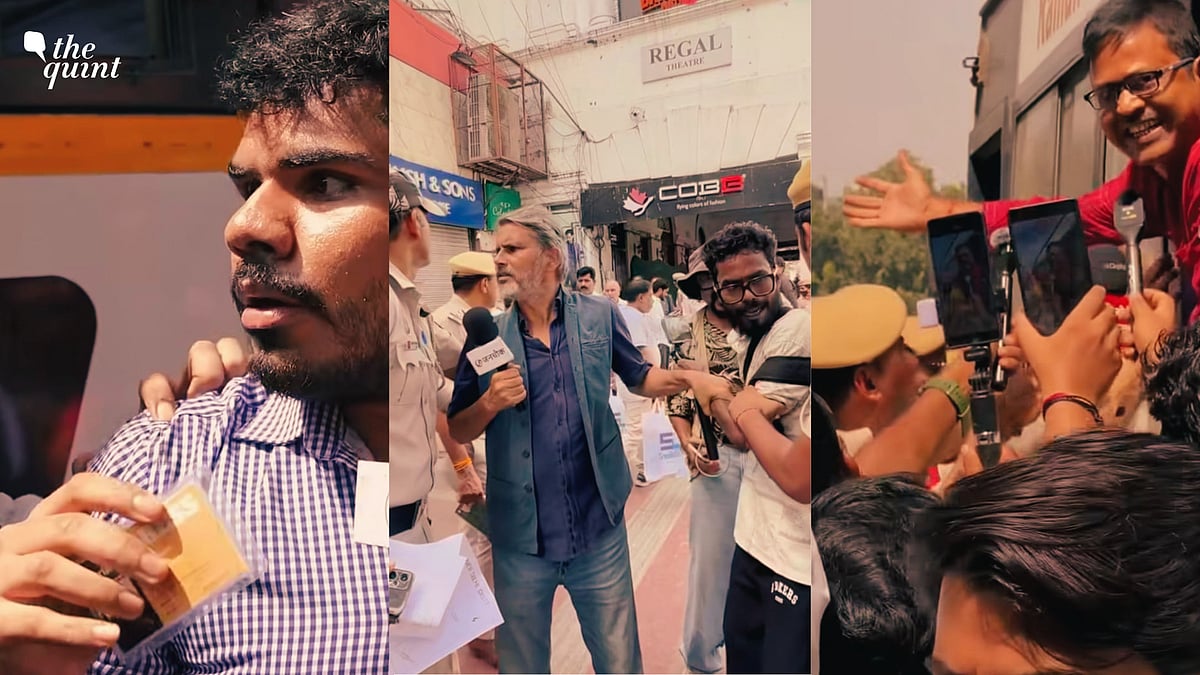
Journalists Detained and Manhandled at Jantar Mantar Protest
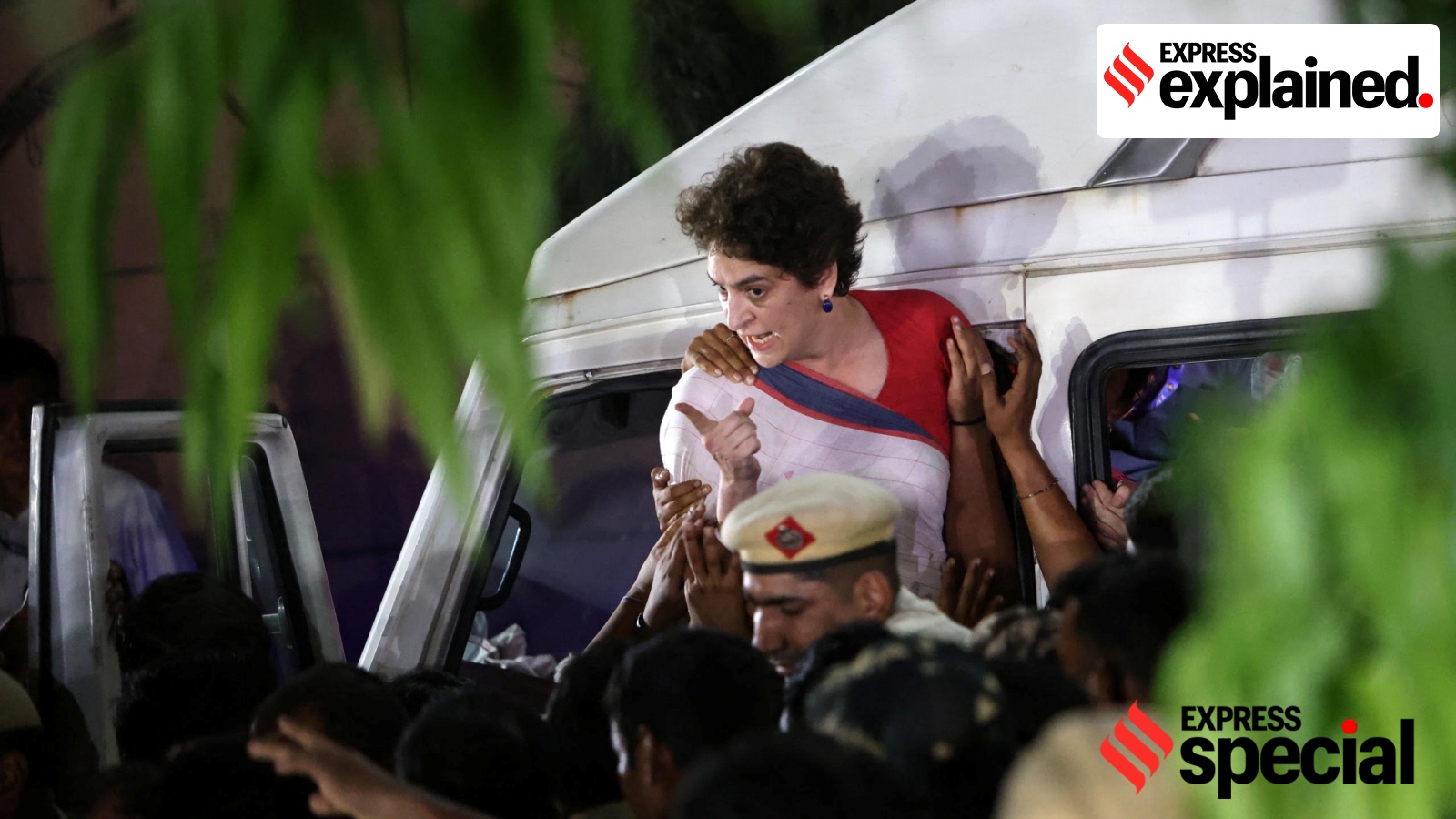
Gandhi Siblings Enter Akashvani During Opposition Protest
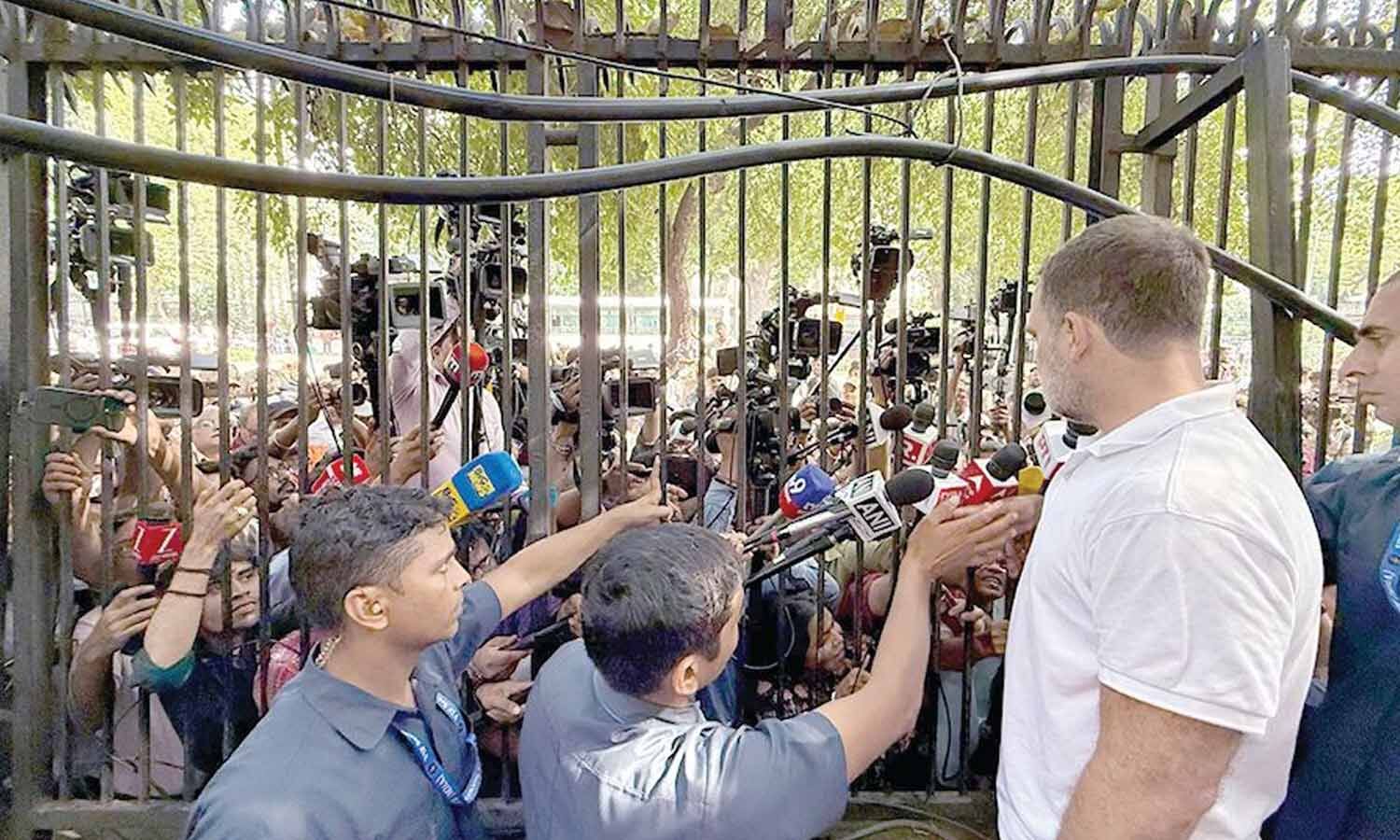
Rahul Gandhi Accuses Modi and Election Chief of Treason
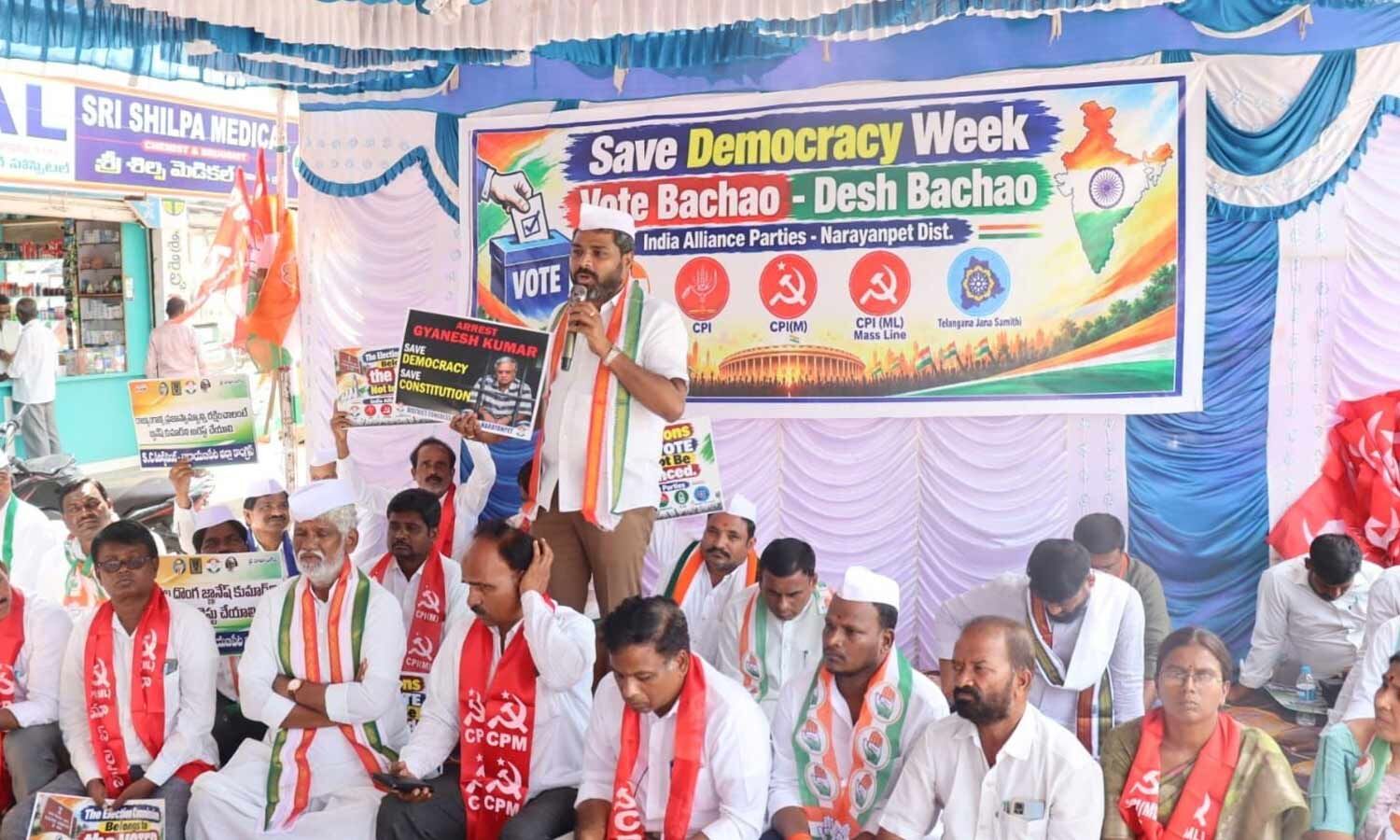
INDIA Bloc Protests in Narayanpet, Demands CEC Gyanesh Kumar's Removal
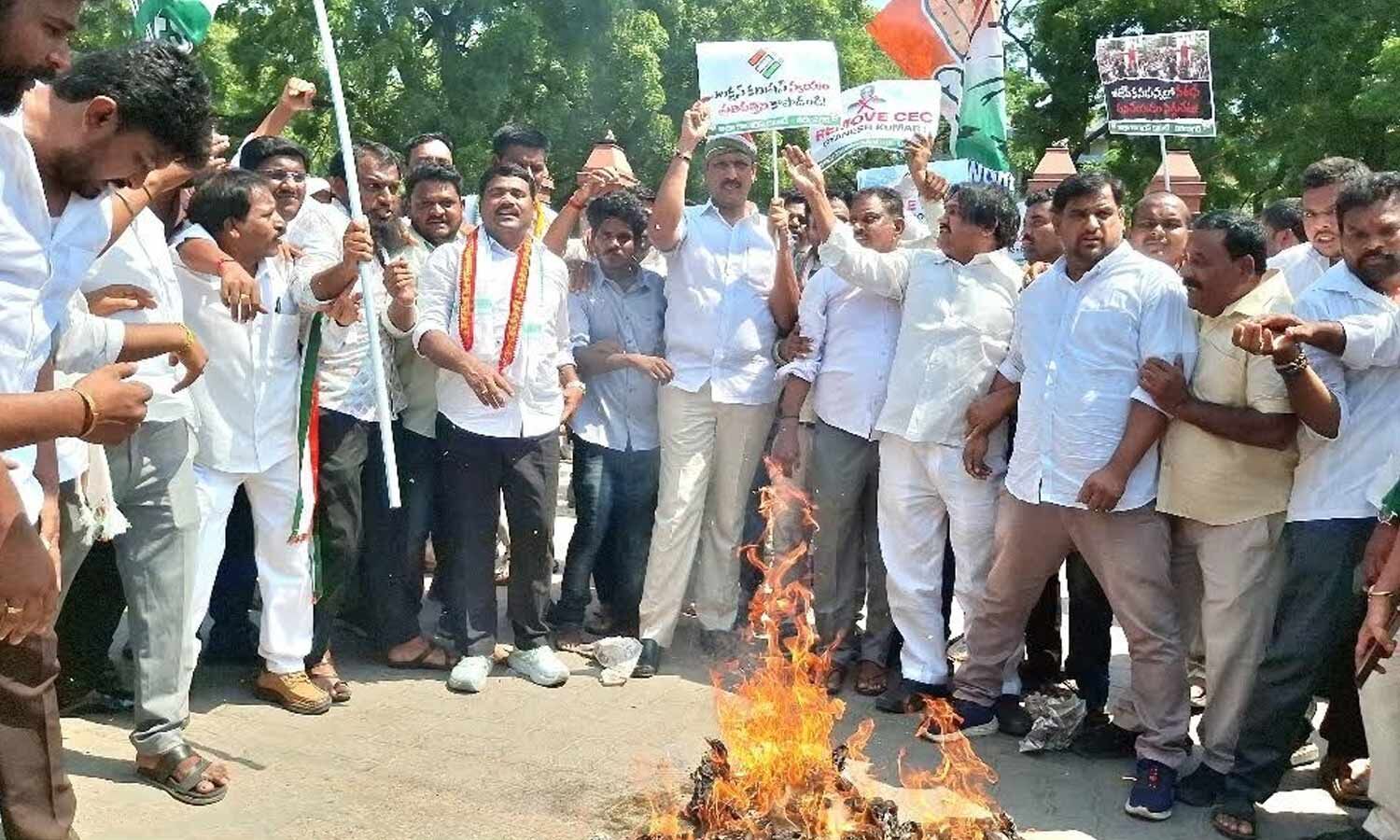
INDIA Bloc Protests Alleged Vote Theft in Karimnagar
Questions Mount Over Gyanesh Kumar’s Election Commission Leadership