Archive · 7 Nov 2025
Japan Deploys Military and Drones Amidst Record Bear Attacks
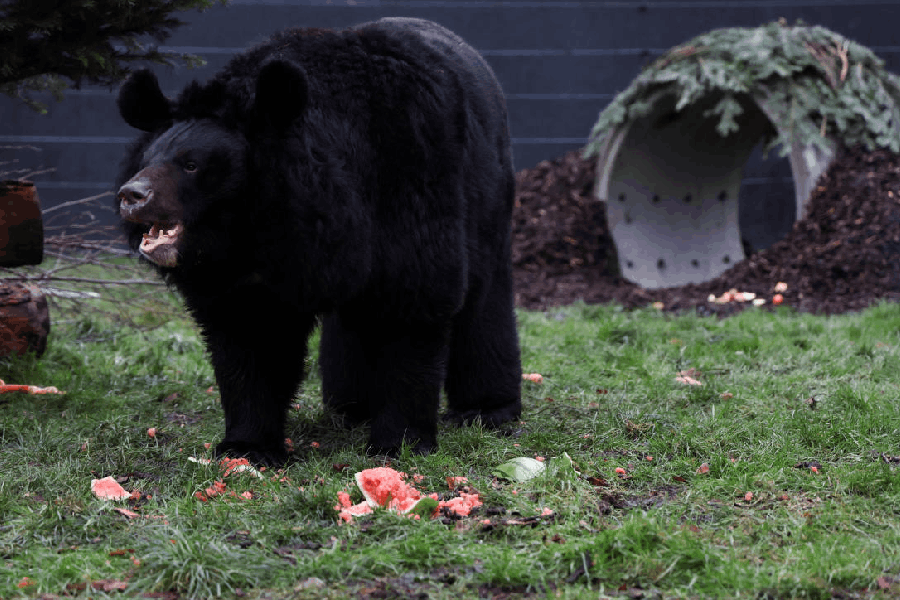
Bears in Japan are getting very close to people and hurting them a lot.
This year, over 100 people got hurt and at least 12 even died.
Bears are showing up in places like towns and even a store!
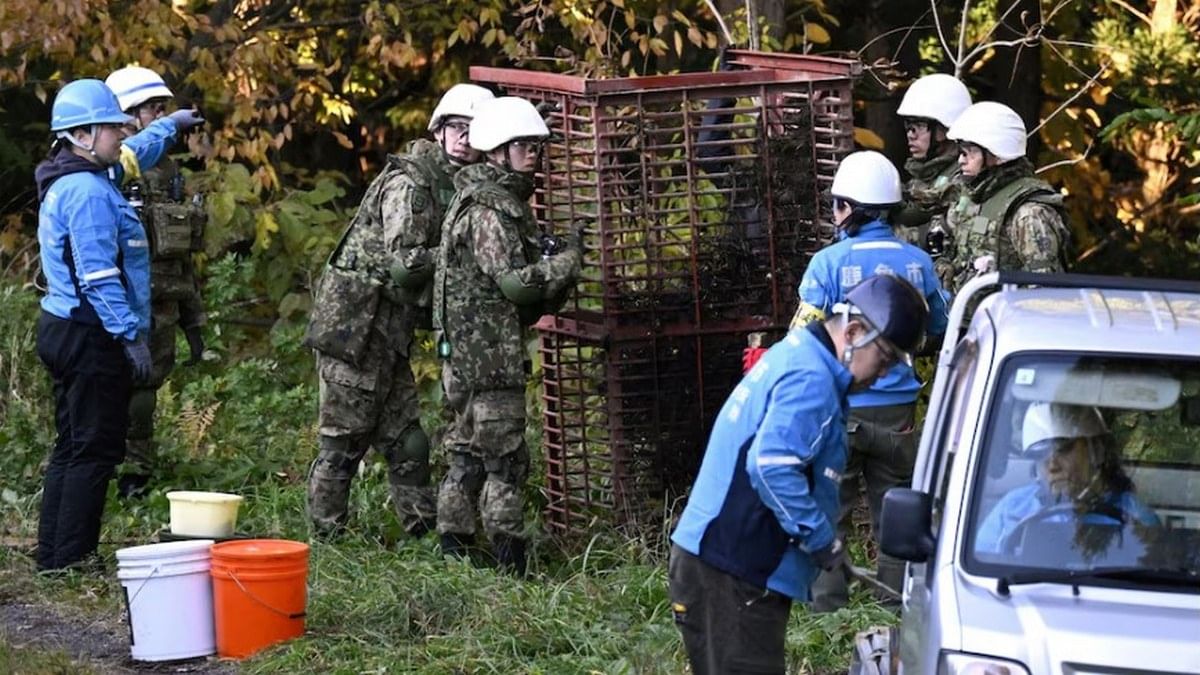
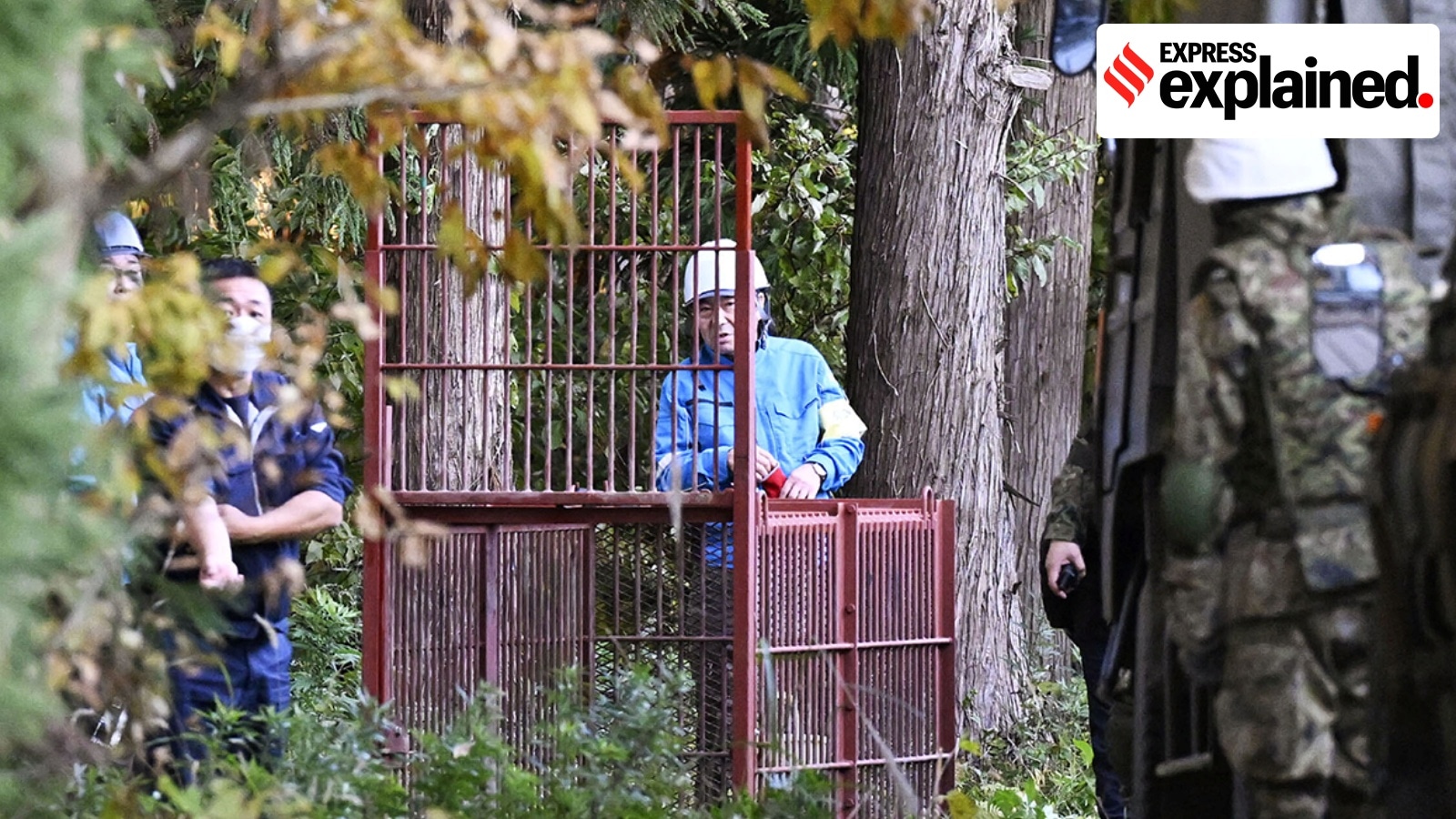
Because of this, Japan's army is helping hunters try to catch and reduce the number of bears.
They are also using new technology like cameras and drones that make loud noises to scare bears away.
This is happening because the bears can't find enough food in the forests due to bad weather and not enough trees.
Also, many young people have moved to cities, leaving empty houses and gardens that attract bears.
Some people think we need to be very tough on bears that attack.
However, some groups that protect animals say we should try to scare them away and help them find food in the mountains instead, because bears are important and need to be protected.

Japan is experiencing a record surge in bear attacks, with over 100 people injured and at least 12 killed since April.
The military has been deployed in regions like Akita and Iwate to assist hunters in tackling an unprecedented number of bear encounters.
Factors contributing to the increase include climate change impacting food sources, rural depopulation creating attractants, and a significant rise in bear populations due to conservation efforts.
New measures include revising police rules to allow shooting bears in residential areas and using AI surveillance cameras and drones to deter them.
Conservation groups are calling for non-lethal methods and habitat restoration, while the government stresses the immediate threat to human lives and livelihoods.
- Who
- Japanese citizens, attack survivor Keiji Minatoya, conservation groups (Kumamori, Hokkaido Bear Research Society), Japanese military, police, local officials, and governors.
- What
- A record surge in bear attacks and sightings across Japan has prompted the government to revise rules for engaging bears, deploy AI surveillance, drones, and involve the military in culling efforts, while conservationists advocate for non-lethal methods.
- When
- Since April, with a record surge in incidents; a survivor was mauled in 2023; Asian black bear population growth noted since 2012.
- Where
- Across Japan, with specific mentions of Akita, Iwate, Gifu, Hokkaido, Tohoku, Chubu, and Chugoku regions, and incidents occurring in villages, on trails, and even in a supermarket.
- Why
- Poor nut harvests due to climate change, erratic weather, and deforestation have pushed bears out of forests seeking food. Japan's aging population and rural depopulation lead to abandoned properties and overgrown vegetation, creating attractants for bears. A lack of trained manpower and hunters exacerbates the situation.
Call for Aggressive Action
Conservation Concerns
Response Strategy
Call for Aggressive Action
Many, including attack survivor Keiji Minatoya, are calling for a 'ruthless response' to bear attacks. The National Police Agency has revised rules allowing officers to shoot bears in residential areas, and the military has been deployed to assist in culling efforts.
Conservation Concerns
Conservation groups like Kumamori advocate for non-lethal methods and habitat restoration, urging the government to avoid expanded culling and hunting. They note that Asian black bears are a globally vulnerable species and their population has tripled due to conservation efforts.
Population Management Justification
Call for Aggressive Action
The government emphasizes that the lives and livelihoods of people are under threat, justifying immediate action due to a record surge in attacks and sightings.
Conservation Concerns
The Hokkaido Bear Research Society reportedly opposes killing bears except for legitimate hunting, indicating a preference for controlled management over broad culling.
- Bear Attacks Since April (Japan)
- Over 100 injured, at least 12 killed
- Bear Sightings (Japan, current fiscal year)
- Over 20,000
- Affected Regions
- Akita, Iwate, Gifu, Hokkaido, Tohoku, Chubu, Chugoku
- Bear Population Growth (Asian Black Bears since 2012)
- Tripled
- Survivor's Age
- 68
- Survivor's Location
- Rural Kitaakita, Akita prefecture