

9 months ago
Guillermo del Toro's Frankenstein: AI Parable and Feminist Reimagining
Imagine a classic story about a scientist who creates a monster.
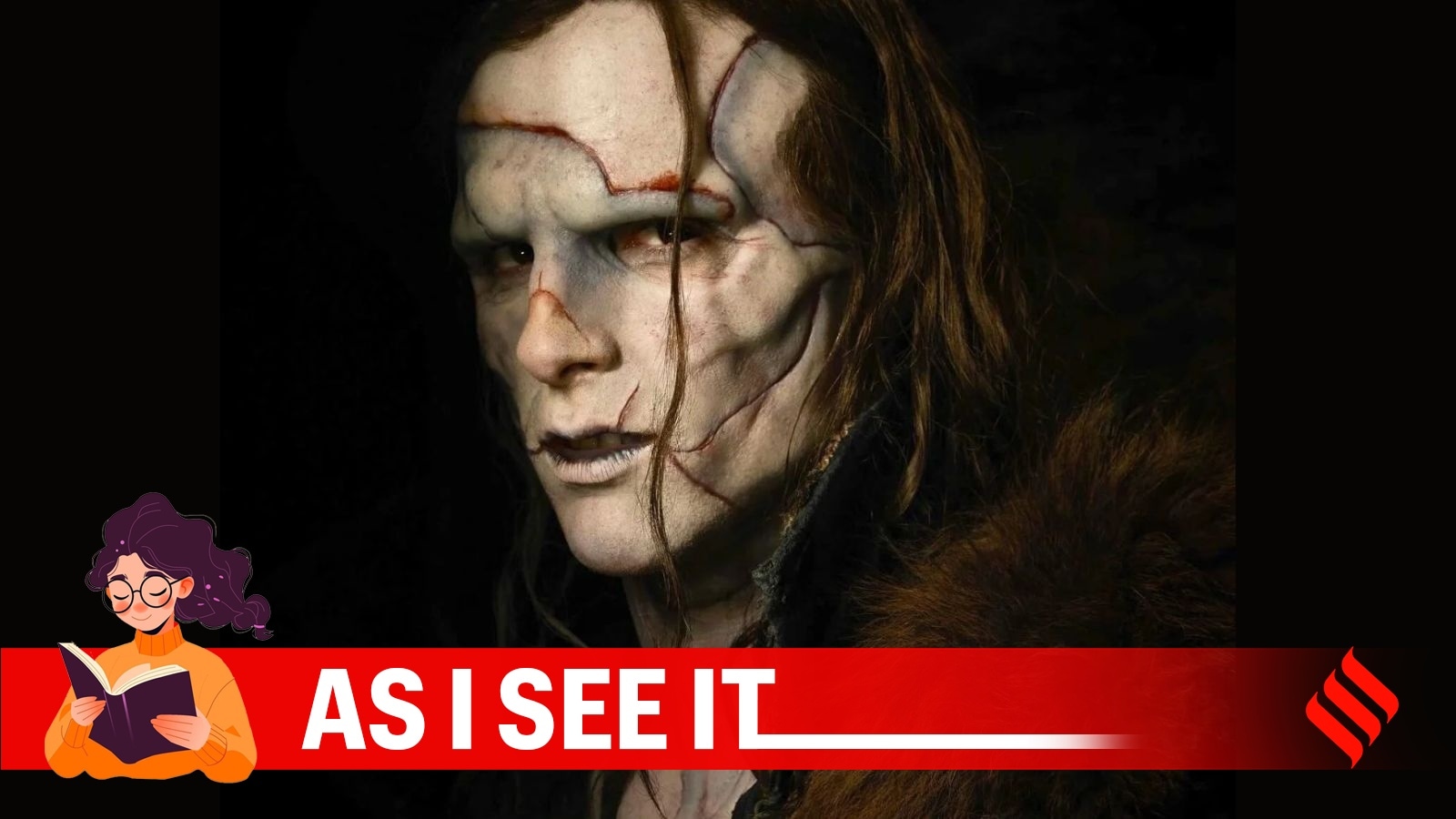
This new movie version by Guillermo del Toro makes the monster more like a person, made from sad parts of others' lives.
It's not about being scared, but about feeling sad and understanding.
The movie also changes the scientist's female companion, giving her a stronger voice to speak up.
It's like the story is showing us that creating things, like artificial intelligence today, can be dangerous if we don't think about how they might feel or behave.
Just like the scientist, we need to be careful and empathetic with what we make.
The movie suggests that maybe the real monsters are not just the creations, but also the creators if they don't act with love and responsibility.
It makes us think about who is responsible when things go wrong.
Some people love this new take, while others think it changes the original story too much.

Guillermo del Toro's Netflix adaptation of Frankenstein offers a new interpretation of the classic story.
The monster is portrayed as a sorrowful, articulate being rather than a monstrous brute, serving as a modern parable for artificial intelligence.
The character of Elizabeth is significantly reimagined with a stronger philosophical voice and agency, a departure from Shelley's novel.
The adaptation explores themes of creation without compassion, hubris, and the dangers of unchecked technological advancement, particularly AI.
The film's ending offers forgiveness and mercy, a contrast to Shelley's original narrative and a point of division among viewers.
- Who
- Guillermo del Toro (director), Oscar Isaac, Jacob Elordi, Mia Goth (stars)
- What
- A new Netflix adaptation of Mary Shelley's Frankenstein, reimagined as a parable for artificial intelligence and a feminist narrative.
- Where
- Netflix
- When
- Released recently, set in the mid-19th century.
- Why
- To explore themes of creation without compassion, hubris, the dangers of unchecked technological advancement (like AI), emotional neglect, and feminist perspectives.
Praise for Adaptation
Criticism of Adaptation
Portrayal of Elizabeth
Praise for Adaptation
Elizabeth is given a philosophical voice and agency, challenging patriarchal norms in Gothic fiction. Her death speaking truth to power is seen as a positive update.
Criticism of Adaptation
Turning Elizabeth into the Creature's ally and giving her more agency smooths out the moral complexities of Shelley's novel, muting the Creature's rage that was born of rejection.
Narrative Focus
Praise for Adaptation
The adaptation shifts focus from scientific hubris to emotional neglect and the inability of a creator to love what they make, making it an elegy and an evolution of Shelley's idea.
Criticism of Adaptation
The narrative softens the 'moral jaggedness' of Shelley's text by coddling the Creature with empathy, rather than letting his rage stem from rejection.
Ending
Praise for Adaptation
The ending offers forgiveness, a merciful departure from Shelley's original, reflecting a lament for the Anthropocene and a need for empathy.
Criticism of Adaptation
Viewers find the ending of forgiveness difficult to accept, as it departs from the original's more punishing conclusion.
Key facts
- Director
- Guillermo del Toro
- Platform
- Netflix
- Stars
- Oscar Isaac, Jacob Elordi, Mia Goth
- Setting Shift
- Mid-19th century (from original 1818)
- Key New Character
- Henrich Harlander (arms dealer)
Quotes
Elizabeth
A character in Guillermo del Toro's "Frankenstein" adaptation
“war is what happens when ideas are pursued by force”
 indianexpress.com

Mary Shelley
Author of the original "Frankenstein" novel
“tremble”
indianexpress.com
