13 hrs ago
Treasury Yield Hits 24-Year High as US Growth Surges
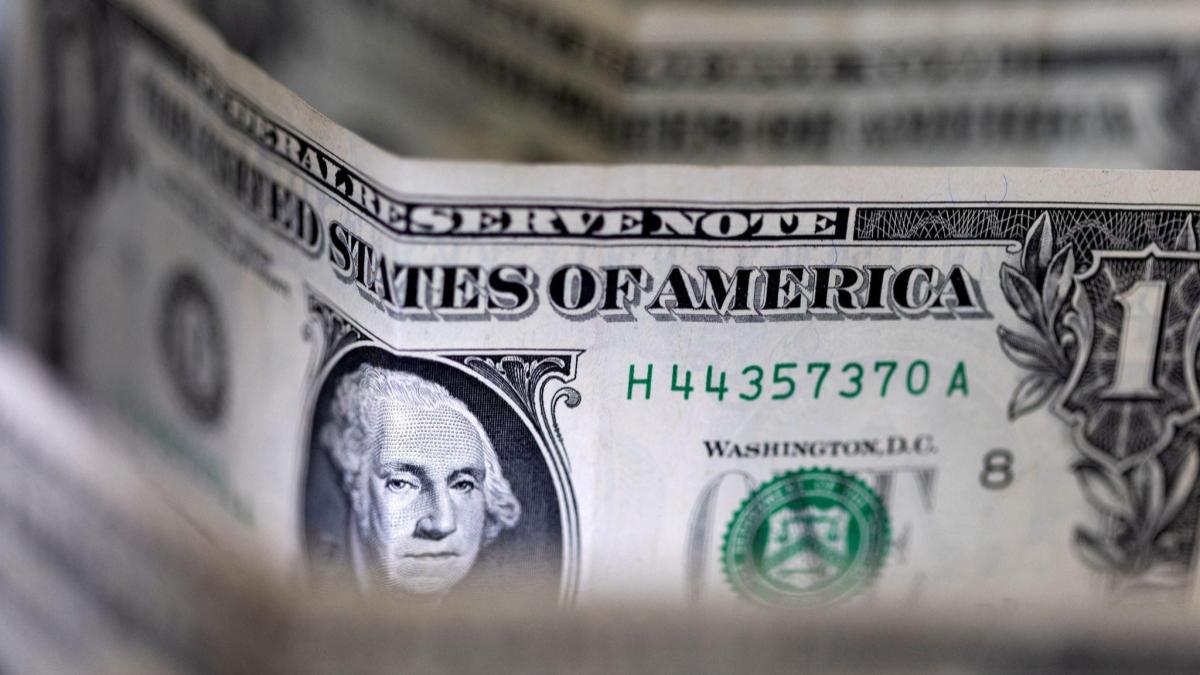
The US government reported that the economy grew faster than first estimated.
This made investors worry that interest rates could stay high for longer.
As a result, the interest rate on a key 10-year government bond reached its highest point in more than 20 years.
Inflation also slowed in August, which was encouraging.
However, prices were still rising faster than the Federal Reserve would like.
Investors became less certain that the Federal Reserve would raise rates in October.
They are now watching a jobs report for more clues.
Oil prices also rose, which could make inflation harder to control.

The 10-year US Treasury yield reached 5.304% on September 30, its highest level since May 2002.
The United States economy grew at a revised annual rate of 2.2% in the second quarter, up from 1.5%.
August PCE inflation slowed to 3.4%, while core PCE inflation fell to 3.0%.
Markets priced in roughly a 35%-37% chance of a Federal Reserve rate increase in October, down from the previous day.
The Dow and S&P 500 fell while the Nasdaq rose, and Brent crude increased 0.9% to $103.53 per barrel.
- Who
- Investors, the United States government, the Federal Reserve, and US employers were central to the developments.
- What
- The 10-year Treasury yield reached 5.304% after stronger economic-growth data, while inflation and rate-hike expectations were mixed.
- Where
- The developments involved US financial markets and the broader US economy.
- When
- The yield reached its peak during trading on September 30; a US jobs report was due the following Friday.
- Why
- Investors reassessed interest-rate prospects after stronger growth and jobs data, slower inflation, and continued uncertainty related to the Middle East conflict.
Stronger growth and rate pressure
Cooling inflation and reduced hike expectations
Interest-rate outlook
Stronger growth and rate pressure
Faster economic growth, stronger private-sector hiring, and continued inflation concerns could support keeping interest rates high or raising them again.
Cooling inflation and reduced hike expectations
The Federal Reserve's preferred inflation measures slowed, and markets reduced the probability of an October rate increase.
Market interpretation
Stronger growth and rate pressure
The resilient economy and rising oil prices may prolong inflation pressures and push borrowing costs higher.
Cooling inflation and reduced hike expectations
Lower headline and core inflation, along with a Federal Reserve official saying the central bank was not in a hurry, eased expectations of an immediate hike.
Key facts
- 10-year Treasury yield
- 5.304% intraday, exceeding the previous 5.303% peak set in 2007.
- Second-quarter growth
- Revised to 2.2% from an earlier estimate of 1.5%.
- August PCE inflation
- 3.4% year over year, down from 3.7% in July.
- August core PCE inflation
- 3.0% year over year, down from 3.3% in July.
- October rate-hike probability
- About 35%-37%, compared with roughly 51% a day earlier.
- Quarterly Treasury-yield increase
- Nearly 0.9 percentage points, the largest quarterly rise since 1994.
- Brent crude
- Up 0.9% to $103.53 per barrel.
Sources
Related news

US Stocks Fall as Treasury Yields Hit Highest Since 2007

US Yields Rise as Inflation Cools, Fed Hike Bets Ease
Treasury Yields Surge as Oil and Data Lift Rate Bets

Treasury Yields Rise as Middle East Tensions Lift Rate Bets

Fed Rate Hike Leaves Treasury Yields Elevated Amid Inflation
Thirty-Year US Treasury Yield Hits 5.34% as Oil Stokes Inflation
Soaring Treasury Yields Drive Record ETF Options Trading
National Stock Exchange Joins World’s Top Seven Exchanges

Bond Sell-Off Sends US Stock Futures Lower, Fed Bets Rise