

Archive · 23 Jul 2025
Animal Camouflage: Survival Tactics in the Wild
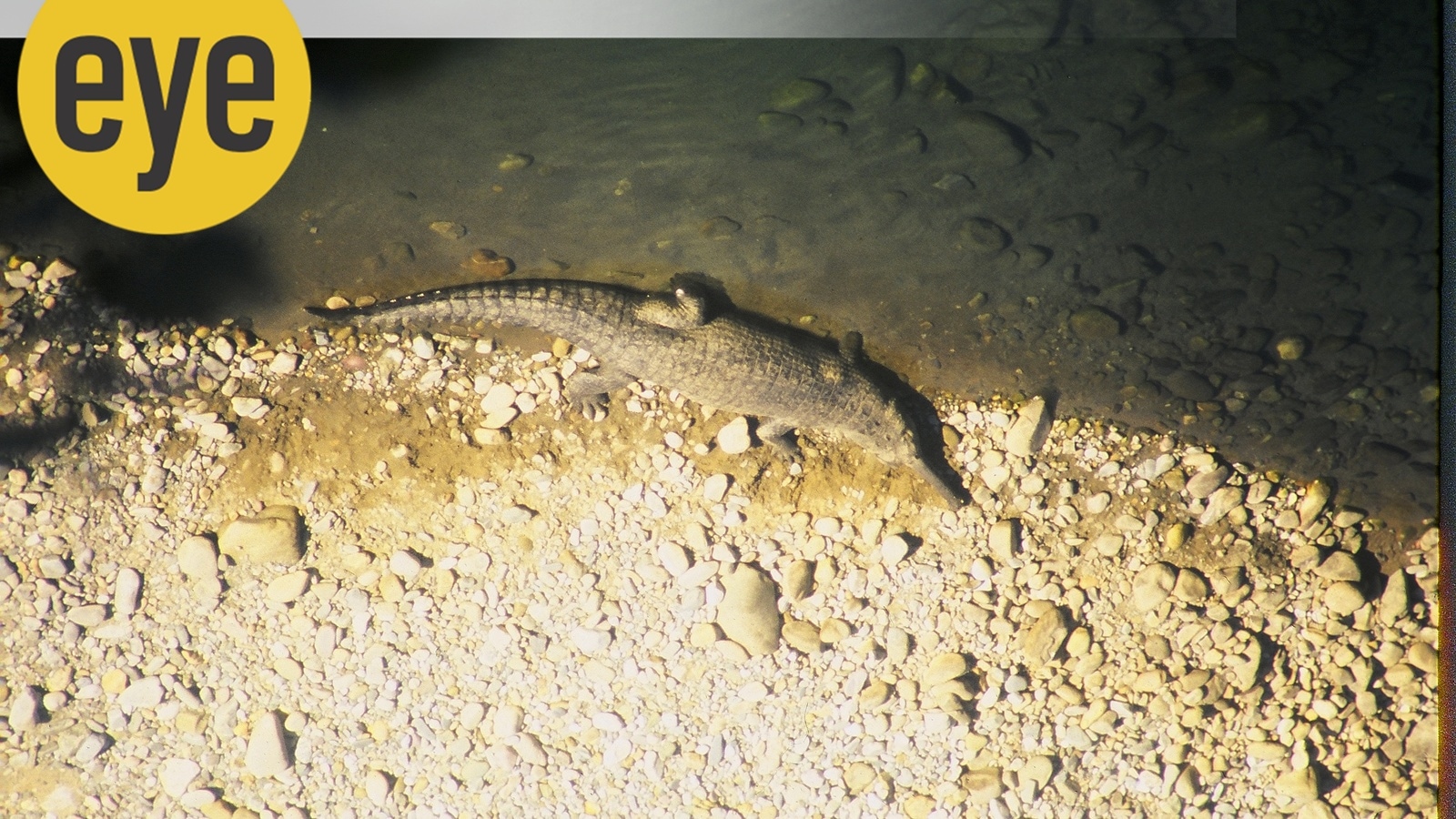
Animals have developed amazing ways to hide!
Some change color to match their surroundings, like chameleons and octopuses, helping them sneak up on food or avoid getting eaten.
Others, like certain moths and butterflies, look like leaves or have fake eyes to scare off predators.
Even plants use tricks, like flowers that fool bees.
Some animals, such as poison dart frogs, are brightly colored to warn others not to touch them.
Nature is full of clever disguises!

Animals, including predators and prey, use camouflage to blend into their environments for ambush or evasion.
Examples include sharks, big cats, octopuses, stonefish, chameleons, and various insects.
Some animals, like certain moths, resemble leaves or have eyespots on their wings to startle predators.
Even plants employ disguises, such as flowers that mimic female bees to facilitate pollination.
Some creatures, like poison dart frogs, use bright colors to signal their toxicity.
- Who
- Animals like sharks, big cats, octopuses, stonefish, chameleons, insects, birds, and some plants.
- What
- Animals use camouflage and disguises to hide from predators, ambush prey, and survive.
- When
- Over millions of years of evolution.
- Where
- In various habitats around the world, including land and water.
- Why
- To improve survival rates through ambush, evasion, and protection.
- Examples of Camouflage
- Sharks, big cats, octopuses, stonefish, chameleons, praying mantis, moths, butterflies, birds
- Purpose of Camouflage
- Ambush predators, evade predators, and aid in survival.
- Animals Displaying Bright Colors
- Poison dart frogs
- Behavioral Adaptation
- Animals can adapt behavior to match the surroundings