

Archive · 24 Jul 2025
EU Sanctions Impact on Vadinar Refinery Redirects Exports
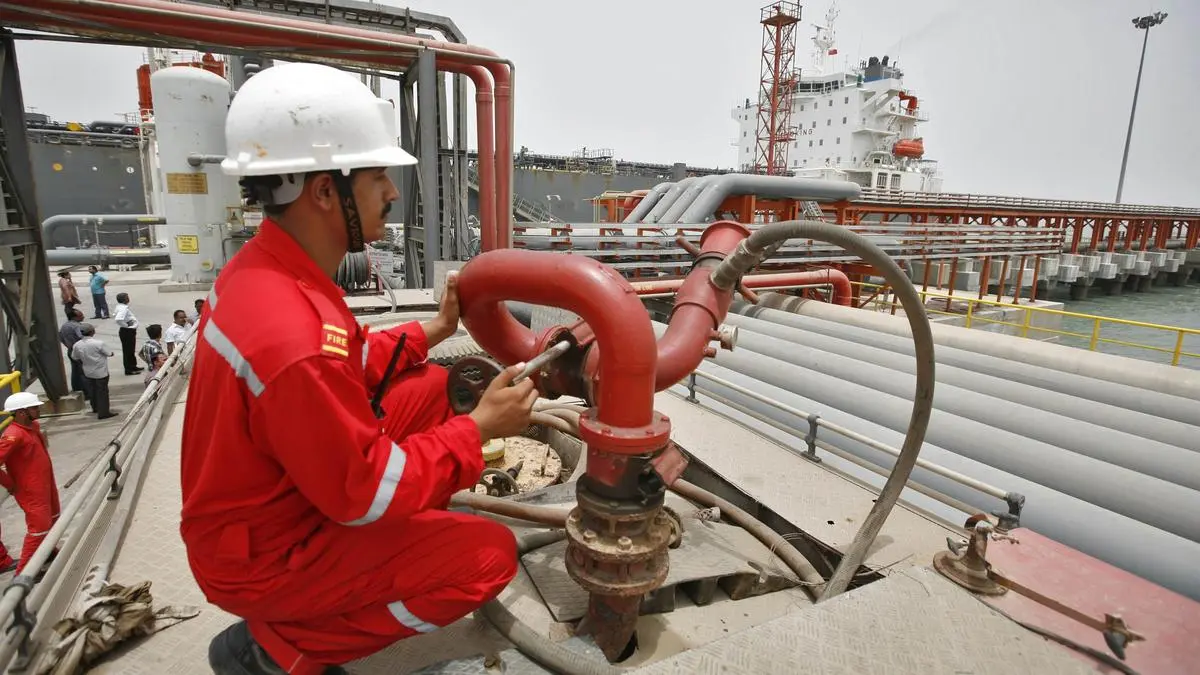
The EU has put sanctions on a refinery in India called Vadinar, which is partly owned by a Russian company.
This means the refinery can't sell jet fuel and kerosene to Europe anymore.
Instead, they'll try to sell to places like Southeast Asia, Latin America, and Africa.
The EU also limited how much they will pay for Russian oil.
The Indian government doesn't agree with these sanctions.
The refinery may have to sell its part of the company, and is trying to sell more diesel.
This all started because of what is happening with Russian oil.

EU sanctions on Vadinar refinery impact jet fuel and kerosene exports to Europe.
Sanctions prompt redirection of product flows to South-East Asia, Latin America, and Africa.
Nayara Energy, backed by Rosneft, faces challenges and may need to divest its stake.
The EU banned imports of refined products made from Russian crude, introducing a price cap.
The Indian government stated it doesn't subscribe to unilateral sanctions.
- Who
- The EU, Rosneft, Nayara Energy, and the Indian government are key players.
- What
- EU sanctions impact Vadinar refinery, prompting redirection of product flows and potential stake divestment.
- When
- The EU sanctions began July 18, 2025 with a six-month transition period for some measures.
- Where
- Vadinar refinery in India, with implications for Europe, South-East Asia, Latin America, and Africa.
- Why
- The sanctions were implemented on imports of refined products made from Russian crude oil.
EU Sanctions
Indian Government
Trade Policies
EU Sanctions
Impose restrictions on trade with Russia and limit revenue.
Indian Government
Reduce reliance on Russian oil.
- Refinery Name
- Vadinar
- Refinery Capacity
- 400,000 barrels per day (b/d)
- Russian Crude
- 72% of crude processed
- Rosneft Stake
- Approximately 49%
- Original Deal Value
- $12.9 billion (2017)