

Archive · 23 Sep 2025
India's Urban Noise Pollution: A Growing Public Health Crisis
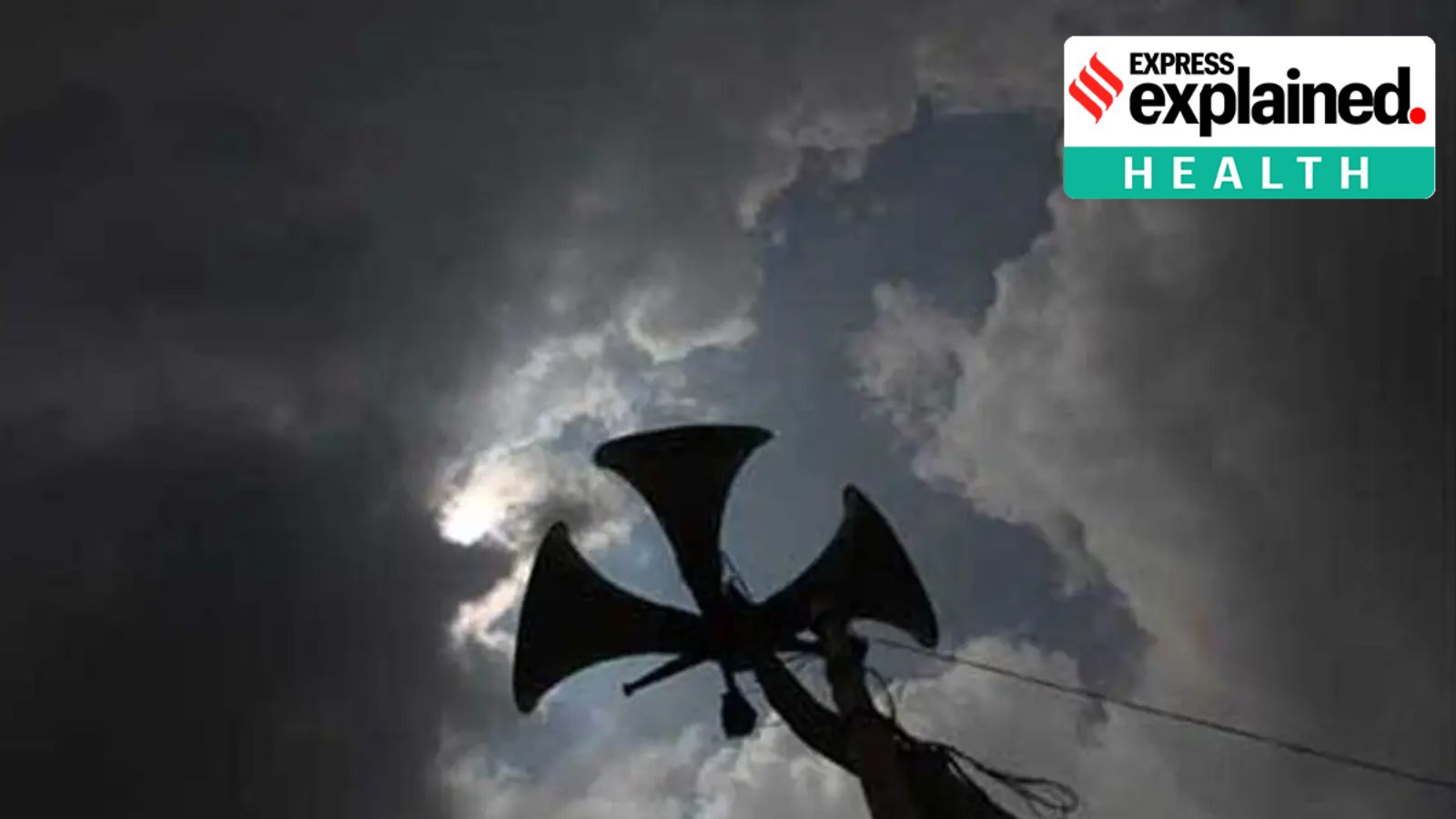
Imagine your city is always buzzing, like a loud machine.
That constant noise is called noise pollution, and it's a problem in Indian cities.
It can make people sick by causing stress and disrupting sleep.
The government has rules about how loud it can be, but these rules aren't always followed.
There are not enough measurements to understand the real problem.
The article talks about how the government, with the help of the residents, can make the cities quieter.
They could measure the noise levels.
Making the changes is important to make sure everyone has a right to peace.

Noise pollution is a significant, yet often overlooked, health hazard in Indian cities.
Noise is legally recognized as an air pollutant in India.
Most Indian cities experience noise levels exceeding safe limits.
The burden of noise pollution disproportionately affects vulnerable populations.
Addressing noise pollution requires improved monitoring, enforcement, and governance.
- Who
- Researchers, policymakers, and residents of Indian cities.
- What
- Noise pollution in Indian cities and its impact on public health.
- When
- Ongoing.
- Where
- Indian cities.
- Why
- To highlight the issue of noise pollution and advocate for solutions.
Government Action
Individual Responsibility
Priorities
Government Action
Government needs to treat noise pollution with the same urgency as air and water pollution.
Individual Responsibility
Citizens and communities can do their part, such as partnering with religious and community leaders to encourage good behaviour
- Legal Recognition
- Recognized as an air pollutant under the Air Act of 1981
- WHO Recommendation
- Residential daytime exposure should not exceed 55 dB(A)
- Indian Regulations
- 55 dB (daytime) and 45 dB (nighttime) limits
- Traffic Noise
- Often exceeds 70 dB(A) in Indian cities