

Archive · 23 Jul 2026
Can jewellery ease stress? A doctor evaluates the trend
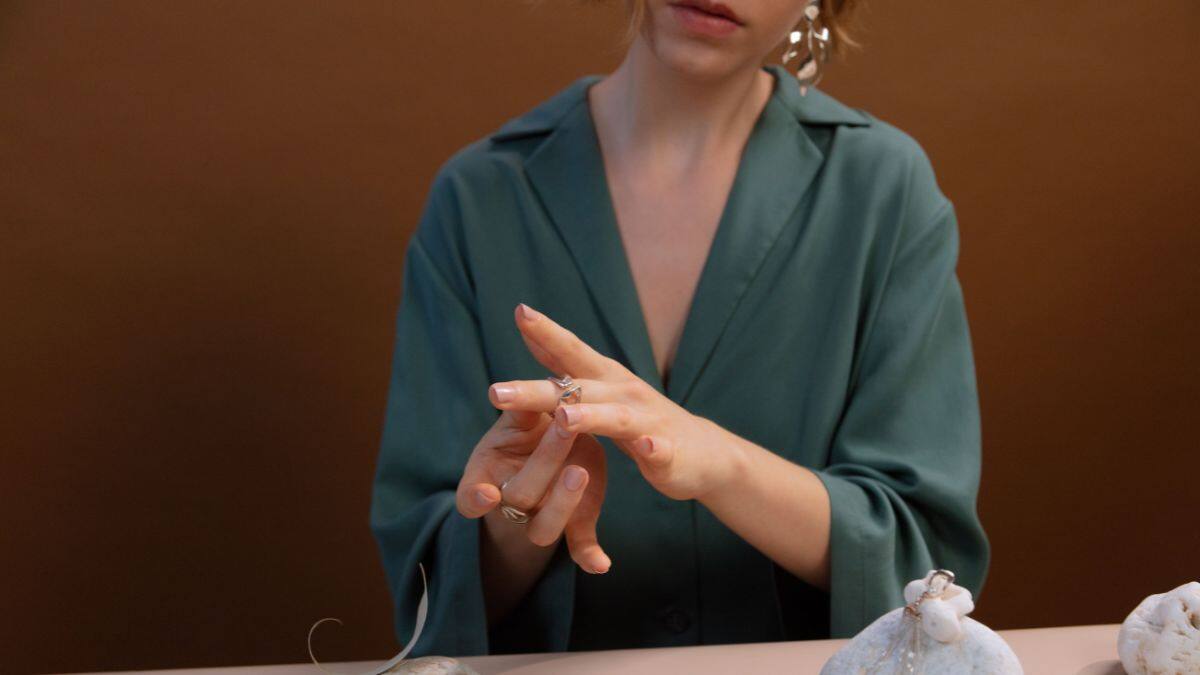
Lots of people, especially young adults, are feeling stressed these days.
Some companies have started making special jewellery that helps people feel calmer.
These pieces, like rings that spin and necklaces that help you breathe slowly, are designed to give people a quick way to manage their stress without drawing attention to themselves.
A doctor named Dr. Rakesh K. Chaddha says these tools can be helpful for small moments of stress, like before a big test or a job interview.
But he also says they're not a cure for bigger problems like long-term anxiety or depression.
The jewellery works by giving people something to focus on, like spinning a ring or breathing slowly, which can help calm them down.
However, Dr. Chaddha warns that people should still seek professional help if their anxiety is serious or lasts a long time.

Anti-anxiety jewellery, such as fidget rings and breathing pendants, has gained popularity, especially among Gen Z, for managing stress discreetly.
Luxury brands like Cartier have entered the market, alongside smaller wellness-focused labels.
Dr. Rakesh K. Chaddha explains that these tools can help with mild, situational anxiety by promoting slow breathing and providing tactile distraction.
The effectiveness of these tools varies by individual, and they are not a substitute for professional care in cases of severe or persistent anxiety.
The trend reflects a broader cultural shift towards open discussions about mental health and the normalization of using tools to manage stress.
- Who
- Gen Z and other individuals experiencing anxiety
- What
- The trend of using anti-anxiety jewellery to manage stress
- When
- Currently, with rising popularity among Gen Z
- Where
- Globally, with luxury brands like Cartier entering the market
- Why
- To provide a discreet and accessible way to manage stress and anxiety in public settings
Proponents of Anti-Anxiety Jewellery
Skeptics of Anti-Anxiety Jewellery
Effectiveness in Managing Stress
Proponents of Anti-Anxiety Jewellery
Proponents argue that anti-anxiety jewellery, such as fidget rings and breathing pendants, provides a discreet and accessible way to manage stress and anxiety in public settings.
Skeptics of Anti-Anxiety Jewellery
Skeptics, including Dr. Rakesh K. Chaddha, emphasize that these tools are only effective for mild, situational anxiety and not for more severe or persistent mental health issues.
Scientific Basis
Proponents of Anti-Anxiety Jewellery
Proponents highlight that the repetitive motion of fidget rings and the controlled breathing facilitated by pendants can provide tangible benefits, such as increased heart-rate variability and a shift towards a more regulated state.
Skeptics of Anti-Anxiety Jewellery
Skeptics argue that the effectiveness of these tools is more about sensory grounding, distraction, and expectation rather than the objects themselves, and that they do not address the underlying causes of anxiety.
Dependence and Professional Care
Proponents of Anti-Anxiety Jewellery
Proponents see these tools as a convenient and non-intrusive way to manage stress without needing to excuse oneself from daily activities.
Skeptics of Anti-Anxiety Jewellery
Skeptics warn that reliance on these tools can become problematic if they are used to avoid acknowledging ongoing distress, and that professional care is necessary for more severe anxiety.
- Primary Category
- HEALTH
- Secondary Category
- Mental Health
- Tertiary Category
- Anxiety Management
- Quaternary Category
- Anti-Anxiety Jewellery
- Target Audience
- Gen Z
- Key Brands
- Cartier, Stimm, Calm Collective Co
- Types of Jewellery
- Fidget rings, spinning bands, breathing pendants
- Expert Consulted
- Dr. Rakesh K. Chaddha