Archive · 12 Nov 2025
Pre-IPO Placements Gain Traction as Investors Seek Early Stakes
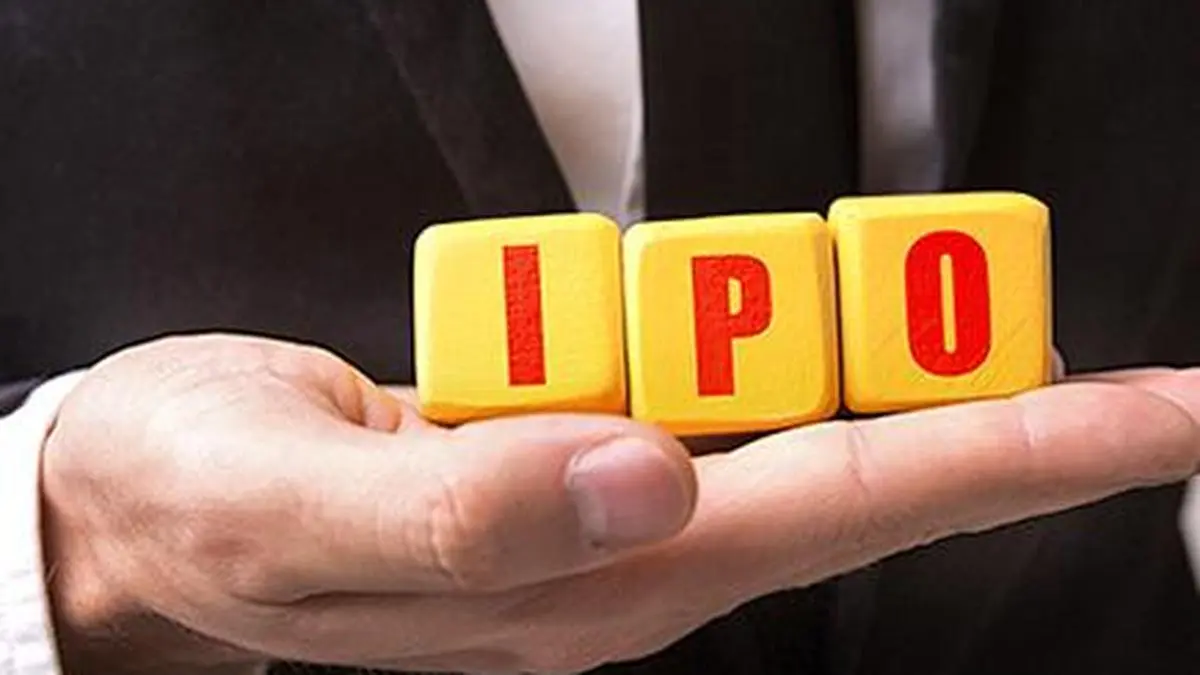
Imagine a company wants to sell pieces of itself to the public, like a big bake sale.
Before the main sale (IPO), there are two ways to buy early.
One way is like a big bake sale a year or more in advance (pre-IPO funding round), but this is happening less now because the prices aren't as exciting anymore.
The other way is like getting a special ticket to buy a few days before the big sale (pre-IPO placement).
This is becoming super popular because people are afraid of missing out on good deals and want to get in early.
They believe these companies will do well after they start selling to everyone.
Even though a new rule stopped some investment groups from buying these special tickets directly, they found other ways to still get them.
This is good for companies because they can get money sooner, and good for investors who want to own a piece of promising companies.

Investors are increasingly participating in pre-IPO placements to secure stakes in companies before their Initial Public Offering (IPO).
This surge is largely driven by a fear of missing out (FOMO) and the desire to lock in attractive valuations.
While pre-IPO placements are surging in 2025, pre-IPO funding rounds (which occur earlier) have slowed significantly.
Sebi's recent circular has restricted direct participation by mutual funds in pre-IPO placements, though they can still invest through AIFs and PMS.
Shares acquired through pre-IPO placements typically have a six-month lock-in period, mitigating immediate post-listing selling pressure.
- Who
- Investors, including institutional buyers, mutual funds (via AIFs/PMS), and high-net-worth individuals.
- What
- A surge in pre-IPO placements and a slowdown in pre-IPO funding rounds.
- When
- Primarily in 2025, with a notable increase in pre-IPO placements and a decrease in funding rounds.
- Where
- India's stock market, involving companies preparing for IPOs.
- Why
- Investors are driven by FOMO to secure stakes and attractive valuations in pre-IPO placements, while funding rounds face challenges due to narrowing valuation gaps.
Pre-IPO Funding Rounds
Pre-IPO Placements
Timing and Purpose
Pre-IPO Funding Rounds
Pre-IPO funding rounds typically occur 12-18 months before a company's listing, representing a company's final private raise.
Pre-IPO Placements
Pre-IPO placements happen much closer to the IPO, often after the price band is set, allowing select investors to buy in at a more market-aligned price.
Investment Amount and Trend
Pre-IPO Funding Rounds
Companies raised ₹24,470 crore through funding rounds in 2025 (as of Nov 7), a 46% decrease from ₹45,181 crore in 2024.
Pre-IPO Placements
Nine companies raised a collective ₹4,300 crore through placements in 2025 (as of early Nov), surpassing the ₹3,950 crore raised in all of 2024, indicating a surge.
Investor Motivation
Pre-IPO Funding Rounds
The shrinking valuation gap between private and public markets has reduced the potential upside for early investors in funding rounds.
Pre-IPO Placements
Investors are driven by FOMO (fear of missing out) and a desire to secure meaningful stakes and attractive valuations before the official IPO launch.
- Pre-IPO Placement Trend
- Surging in 2025, driven by FOMO and desire for early stakes.
- Pre-IPO Funding Round Trend
- Slowing down in 2025, with a 46% decrease in capital raised compared to 2024.
- 2025 Pre-IPO Placement Funds Raised
- ₹4,300 crore (as of early Nov) from 9 companies.
- 2024 Pre-IPO Placement Funds Raised
- ₹3,950 crore.
- 2025 Pre-IPO Funding Rounds Funds Raised
- ₹24,470 crore (as of Nov 7).
- 2024 Pre-IPO Funding Rounds Funds Raised
- ₹45,181 crore.
- Sebi's October 24 Circular
- Barred mutual funds from pre-IPO placements, though they can participate via AIFs and PMS.
- Share Lock-in Period
- Typically six months for shares bought in pre-IPO placements.