Archive · 6 Nov 2025
Two Asteroids Strike Moon, Creating Visible Flashes
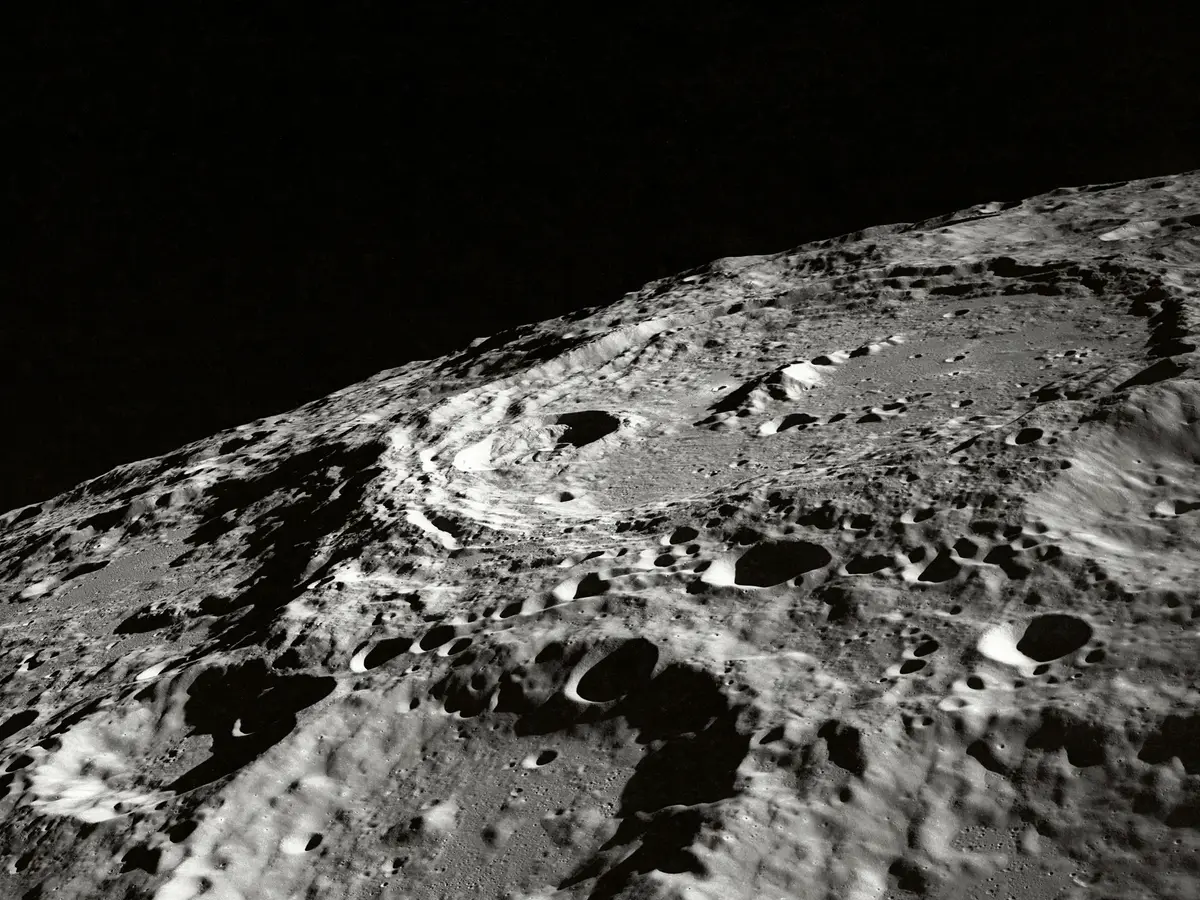
Imagine the Moon is like a dusty playground with no air.
When little space rocks, called meteors, hit this playground really fast, they don't burn up like they do in Earth's air.
Instead, they make a bright flash of light and dig a little hole, like kicking up dust when you stomp your foot.
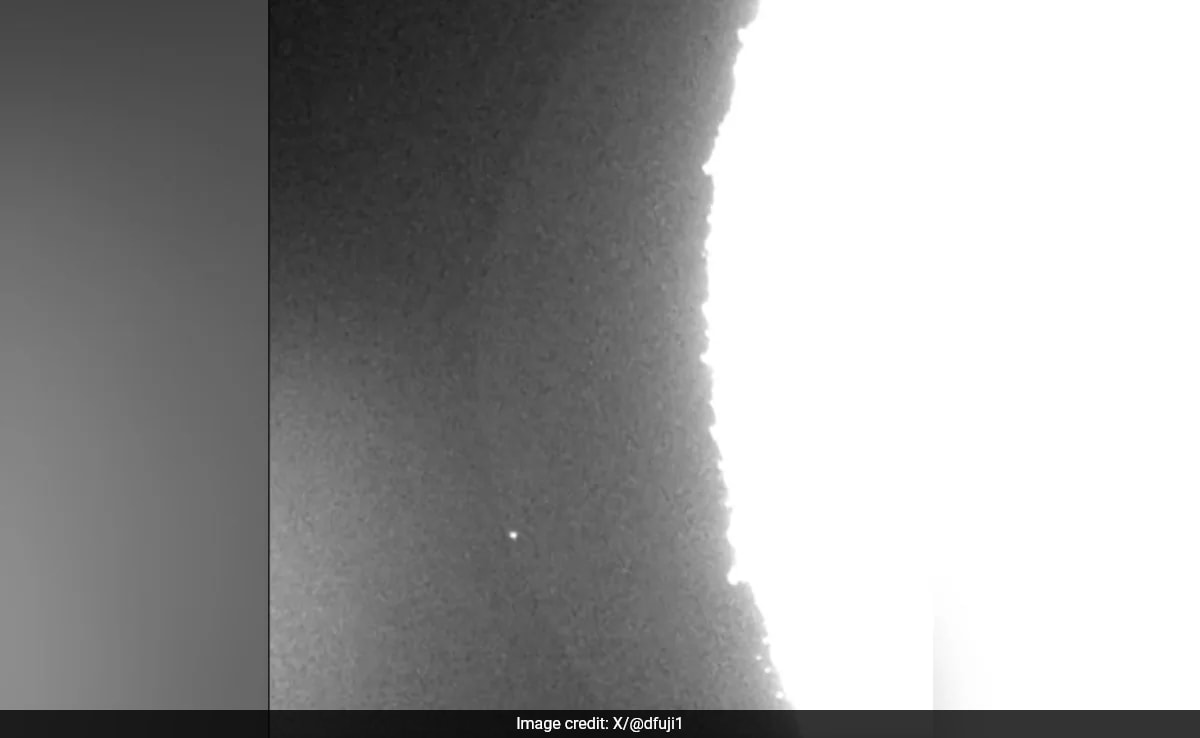
A special sky-watcher named Daichi Fujii used his cameras to catch two of these flashes.
The first flash happened on October 30, and the second was on November 1.
He thinks these space rocks might have come from a group called the Taurid meteor showers.
He was lucky to film them because these flashes are very quick and usually happen without anyone seeing them.
While these were small, another bigger space rock called 2024 YR4 might hit the Moon later in 2032, which scientists are watching closely.

Japanese astronomer Daichi Fujii captured footage of two bright flashes on the Moon caused by meteoroid impacts.
The first impact occurred on October 30, and the second on November 1.
These flashes are visible because the Moon lacks an atmosphere, allowing meteors to strike the surface at high speeds.
The impacting meteors are believed to have originated from the Southern or Northern Taurid Meteor Shower.
Separately, asteroid 2024 YR4, measuring about 220 feet, has a small chance of impacting the Moon in 2032, potentially creating larger debris concerns.
- Who
- Japanese astronomer Daichi Fujii
- What
- Observed two bright flashes on the Moon caused by meteoroid impacts.
- When
- October 30 and November 1.
- Where
- On the Moon's surface.
- Why
- The impacts occurred because the Moon has no atmosphere to slow down or burn up meteors, causing them to strike the surface at high speeds and create visible flashes.
Meteors Striking Moon
Asteroid 2024 YR4
Nature of Impact
Meteors Striking Moon
Two asteroids recently struck the Moon, causing visible flashes of light and gouging craters.
Asteroid 2024 YR4
Asteroid 2024 YR4, measuring 220 feet, has a small chance of impacting the Moon in 2032, potentially creating another crater.
Origin of Impactors
Meteors Striking Moon
The two recent impacts were likely caused by meteors from the Southern or Northern Taurid Meteor Shower.
Asteroid 2024 YR4
The origin and trajectory of Asteroid 2024 YR4 are being closely monitored by the James Webb Space Telescope.
Potential Dangers
Meteors Striking Moon
These recent impacts themselves are not described as posing a danger to Earth.
Asteroid 2024 YR4
Debris from a potential 2032 impact by Asteroid 2024 YR4 could endanger satellites and astronauts on the ISS, and create a long-lasting meteor shower.
- Observer
- Daichi Fujii (Hiratsuka City Museum Curator)
- First Impact Date
- October 30
- Second Impact Date
- November 1
- Meteoroid Weight (First Impact)
- Approx. 0.18 kg
- Potential Crater Size (First Impact)
- Approx. 10 feet wide (pixels saturated, actual impact may be larger)
- Potential Origin of Meteors
- Southern or Northern Taurid Meteor Shower
- Asteroid 2024 YR4 Size
- Approx. 220 feet
- Potential Impact Date of 2024 YR4
- 2032