

Archive · 30 Jul 2026
Britain’s Migration Memoir Highlights Voices of Immigrants
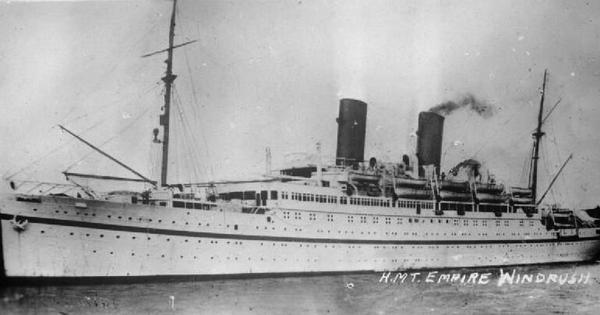
A new book called *What We Leave We Carry* tells stories from people who moved to Britain over the last 70 years.
It talks about how they felt when they first arrived, the jobs they found, and how they made Britain a more colorful place.
The author, Colin Grant, interviewed more than 60 people, from the Windrush Generation to immigrants from India, Colombia, and many other countries.
The book shows that migration is not just about moving; it’s about sharing food, language, and new ideas.
It also explains how Britain’s history as an empire helped bring people from all over the world.
The book hopes to remind everyone that Britain is made up of many different voices and cultures.
It is like a big family story that includes everyone’s memories and dreams.
The book encourages people to listen to each other and understand how we all belong in Britain.

Colin Grant’s memoir compiles oral histories from over 60 migrants spanning 70 years.
The book focuses on overlooked voices from the Windrush Generation, India, and many other countries.
It highlights how migration has shaped Britain’s culture, language, and economy.
Funding cuts since 2010 have reduced opportunities for immigrant artists in Britain.
The memoir emphasizes listening to neighbours and sharing stories to counter anti‑immigrant rhetoric.
- Who
- Colin Grant and over 60 interviewees including immigrants from the Windrush Generation, India, and many other countries
- What
- A collective memoir titled *What We Leave We Carry* that compiles oral histories of Britain’s diverse migrants
- When
- The book covers migration experiences from the 1950s to the present
- Where
- United Kingdom, with stories from migrants arriving from the West Indies, India, Europe, and beyond
- Why
- To give voice to overlooked migrants and illustrate how migration shapes contemporary British identity
- Author
- Colin Grant
- Publisher
- Jonathan Cape
- Number of Interviews
- 60+
- Scope of Migration
- 70 years, 20th–21st centuries
- Themes
- Oral history, multiculturalism, migration