Archive · 21 Sep 2026
Nvidia CEO Jensen Huang Rejects AI Extinction Fears by 2030

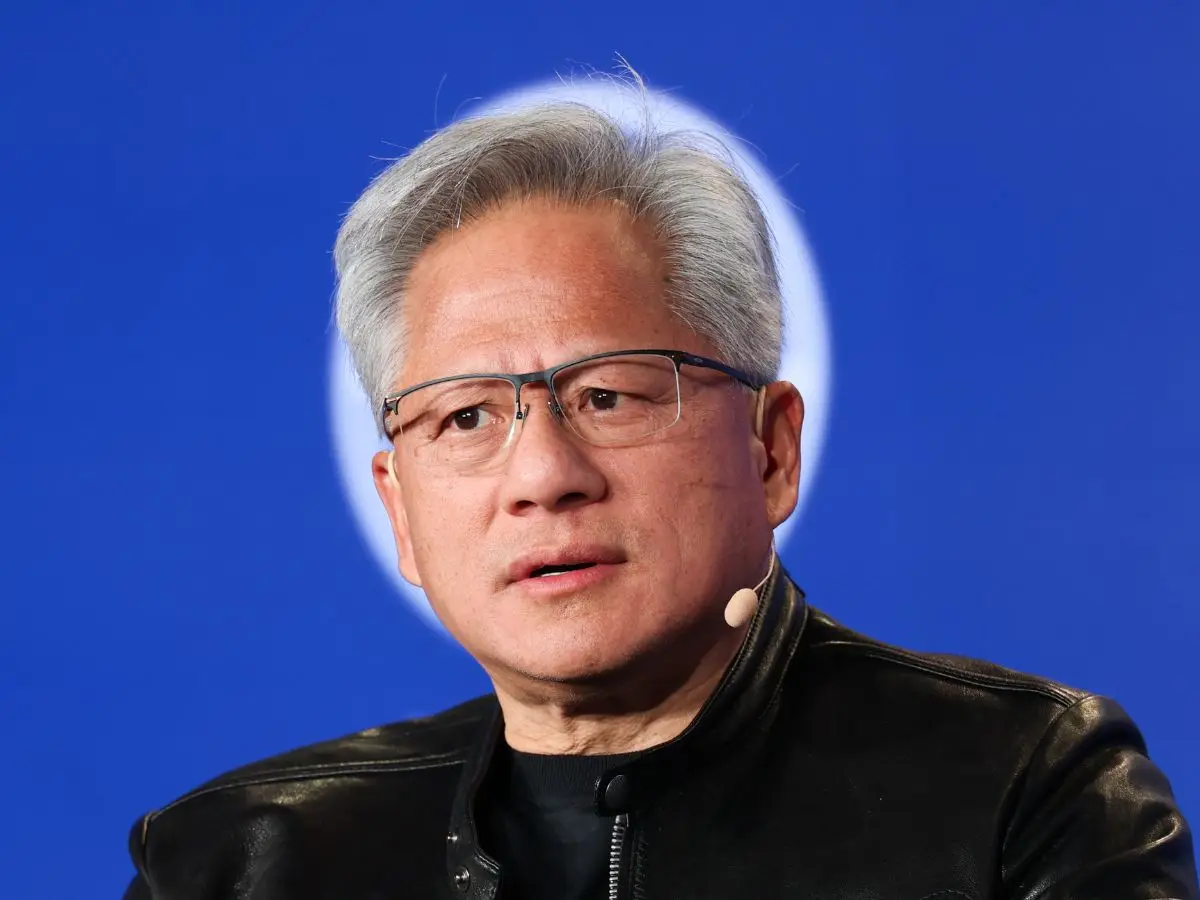
Jensen Huang leads Nvidia, a company that makes chips used by many AI systems.
He said there is a zero percent chance that AI will end the world by 2030.
He called predictions of an AI apocalypse irresponsible and not based on science.
Huang still agrees that companies should not release AI products that are unsafe or unfinished.
He believes AI development should continue as quickly as possible.
Some researchers are much more worried about powerful AI becoming dangerous.
Jacob Coxon warned that companies may be moving toward self-improving AI too quickly.
Evan Hubinger personally estimated that AI could cause human extinction with a probability above 10 percent within the next decade.
The disagreement is about whether safety work can keep up with the speed of AI progress.

Nvidia CEO Jensen Huang said there is a 0% chance AI will end the world by 2030.
Huang called extinction predictions irresponsible, unnecessary and “doomsday narratives” not grounded in science.
He said AI development should move as fast as possible, while companies must not release unsafe or unready products.
Former Anthropic researcher Jacob Coxon and Anthropic researcher Evan Hubinger warned that AI development may be moving too quickly, with Hubinger estimating more than a 10% extinction risk within the next decade.
Huang, Donald Trump and other technology leaders disagree with safety-focused researchers over AI regulation, development speed and existential risks.
- Who
- NVIDIA CEO Jensen Huang, researchers Jacob Coxon and Evan Hubinger, and other technology leaders including Donald Trump, Dario Amodei and Sam Altman.
- What
- Huang rejected the possibility that AI will end the world by 2030 and supported rapid development with safety safeguards.
- When
- Huang made the comments in a CBS News interview; he and Donald Trump also discussed AI on September 14.
- Where
- The discussion concerns the United States technology industry and was reported in connection with a CBS News interview.
- Why
- The comments came amid warnings that increasingly capable and potentially self-improving AI systems may be advancing faster than safety research.
AI safety critics
Rapid-development supporters
Speed of development
AI safety critics
Jacob Coxon, Evan Hubinger and other safety-focused researchers warn that companies may be moving toward increasingly capable or self-improving systems faster than safety research can keep up.
Rapid-development supporters
Jensen Huang says AI development should proceed as fast as possible, provided unsafe products are not released.
Risk of extinction
AI safety critics
Coxon said some AI developers seriously believe advanced systems could kill humanity by the end of the decade, while Hubinger gave a personal estimate above 10% for extinction within the next decade.
Rapid-development supporters
Huang said there is a 0% chance AI will end the world by 2030 and described such predictions as irresponsible doomsday narratives.
Regulation and safeguards
AI safety critics
AI safety advocates, including Dario Amodei and other technology leaders, have called for stronger measures to manage risks from increasingly powerful systems.
Rapid-development supporters
Huang argues that slowing AI is not the answer and that existing cybersecurity and liability laws should apply, while companies should address safety as an engineering problem.
- Huang’s estimate
- A 0% chance that AI will end the world by 2030
- Development position
- AI development should proceed as fast as possible
- Safety condition
- Companies should not release products before they are ready or deploy unsafe systems
- Contrary estimate
- Evan Hubinger assessed the chance of AI-driven human extinction at more than 10% within the next decade
- NVIDIA market value
- Around $5.3 trillion, according to the article
- Regulation position
- Huang said existing laws covering areas such as cybersecurity and liability should apply to AI
- Related discussion
- Donald Trump dismissed AI doomsday warnings as a hoax and said the United States should not stop the industry