8 months ago
US Bill Aims to Ban AI Chip Sales to China

The US House Democrats have introduced a new bill called the RESTRICT Act.
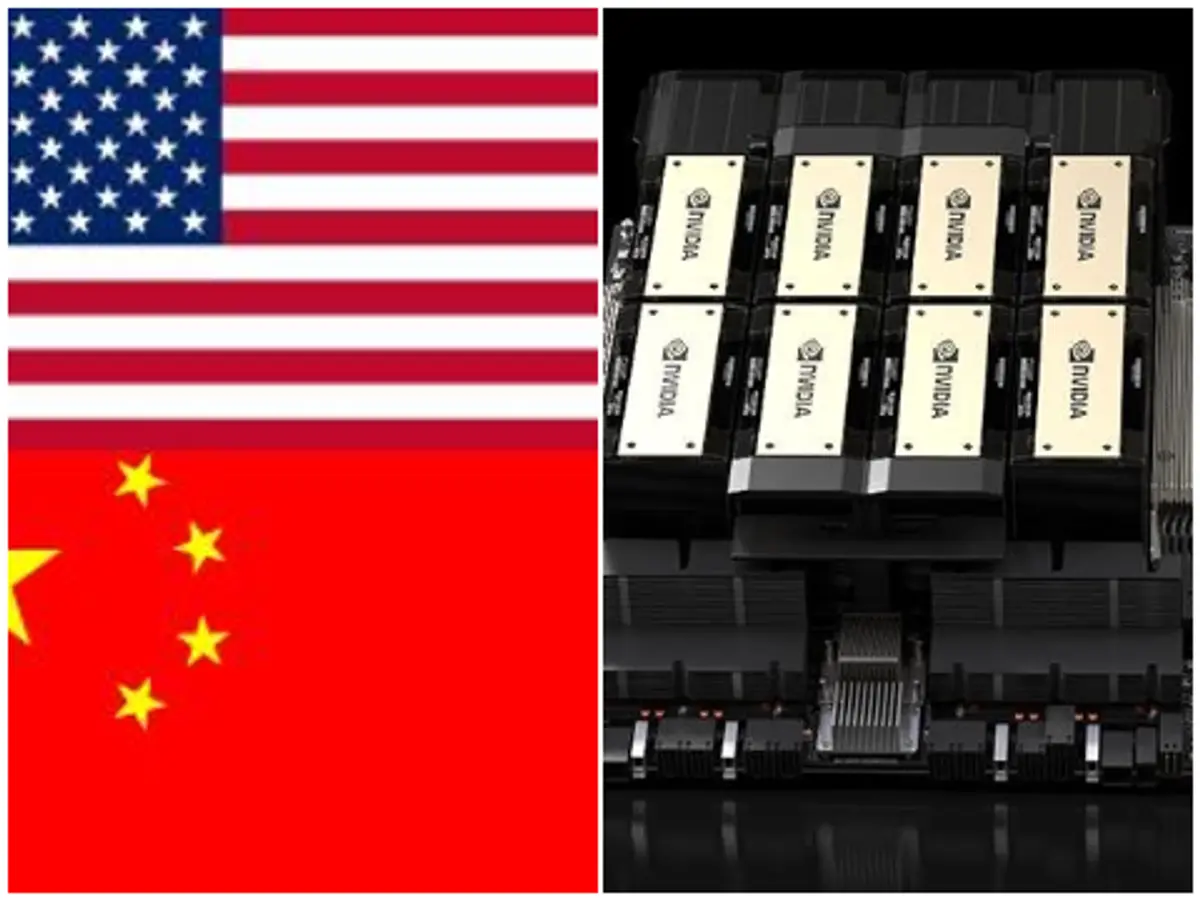
This bill wants to stop the sale of advanced AI chips, like Nvidia's H200, to China and other countries that the US sees as a security risk.
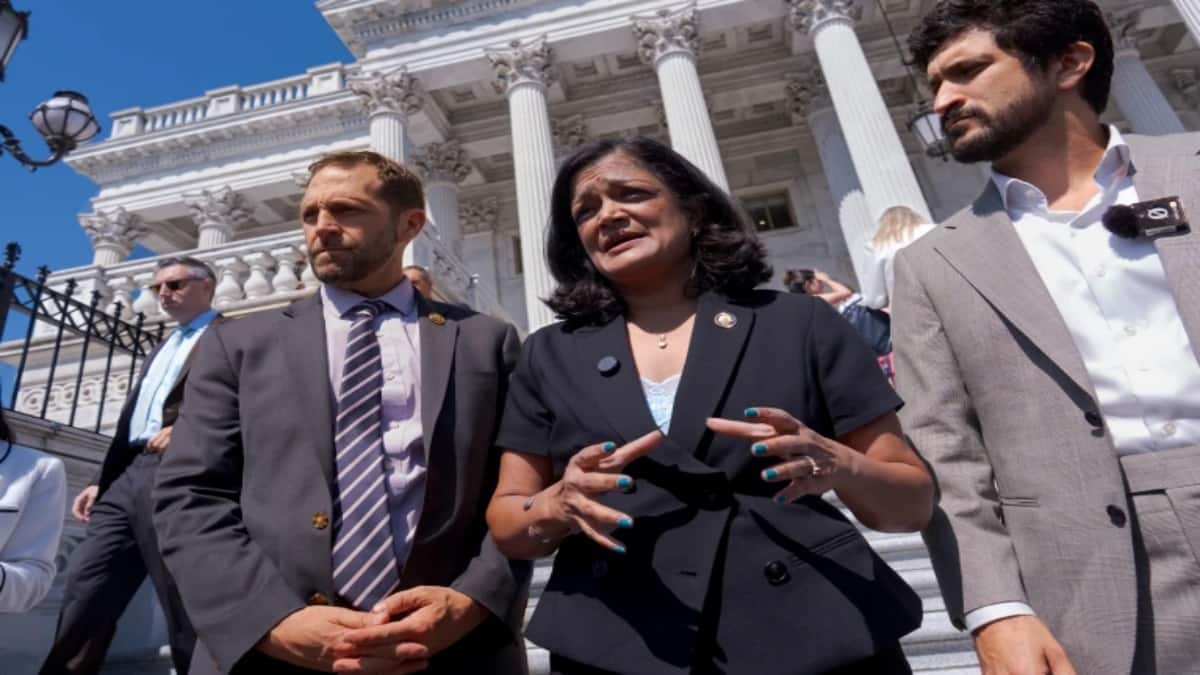
The bill's main supporter, Representative Gregory W Meeks, says this is important to keep the US safe and to stay ahead in the technology race.
The bill would make it so that companies can't get permission to sell these advanced chips to countries like China.
It also sets up special rules for American companies that want to operate data centres in other countries.
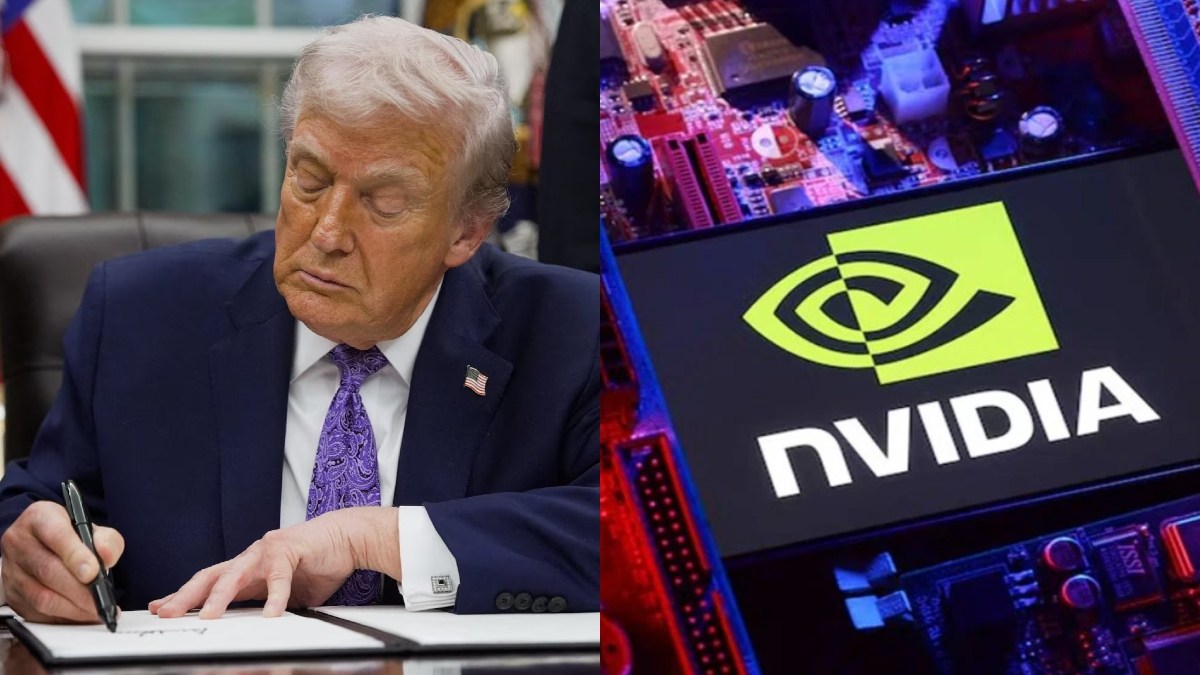
Some people, like President Donald Trump, disagree with this bill.
They think it's better to let companies sell these chips to China because it helps American businesses.
The bill is part of a bigger fight between the US and China over technology and who can make and sell the most advanced chips.

The RESTRICT Act aims to ban the sale of advanced AI chips, including Nvidia’s H200, to China and other 'countries of concern'.
The bill is introduced by Representative Gregory W Meeks and supported by 13 House Democrats.
Proponents argue that the ban is necessary to protect US national security and prevent advanced technology from being used by China's military.
Opponents, including President Donald Trump, believe that allowing the sale of H200 chips to China supports American companies and maintains US competitiveness.
The bill does not create new export controls but codifies existing restrictions and establishes a secure, licence-free export pathway for trusted American companies.
- Who
- US House Democrats, led by Representative Gregory W Meeks
- What
- Introduction of the RESTRICT Act to ban the sale of advanced AI chips to China
- Where
- United States
- When
- December 18, 2024
- Why
- To protect US national security and preserve American leadership in artificial intelligence
Proponents of the RESTRICT Act
Opponents of the RESTRICT Act
National Security
Proponents of the RESTRICT Act
Proponents argue that banning AI chip sales to China is necessary to protect US national security and prevent advanced technology from being used by China's military.
Opponents of the RESTRICT Act
Opponents, including President Donald Trump, believe that allowing the sale of H200 chips to China supports American companies and maintains US competitiveness in the global AI market.
Economic Impact
Proponents of the RESTRICT Act
Proponents claim that the bill will support American companies in competing globally across the AI technology stack.
Opponents of the RESTRICT Act
Opponents argue that banning chip sales could harm US companies by limiting their market opportunities and potentially leading to retaliation from China.
Key facts
- Bill Name
- RESTRICT Act (Restoring Export and Security Trade Restrictions for Integrated Circuit Technologies Act)
- Introduced By
- Representative Gregory W Meeks
- Proposed Ban
- Sale of advanced AI chips, including Nvidia’s H200, to China and other 'countries of concern'
- Countries of Concern
- Nations subject to a US arms embargo as of 1 January 2025
- Export Licence Applications
- Denied by the US Department of Commerce for advanced integrated circuits destined for countries of concern
- Secure Export Pathway
- Established for trusted American companies operating data centres abroad, with specific security requirements
- Revision of Advanced Integrated Circuit Definition
- Possible after two years, with Congressional certification that changes would not harm US national security
Quotes

Gregory W Meeks
Ranking Member of the House Foreign Affairs Committee and Representative who introduced the RESTRICT Act
“Providing advanced AI capabilities to a ‘chief strategic competitor’ could strengthen China’s military and malign influence capabilities.”
 wionews.com