1 year ago
Weather and Access to Cities Impact Tuberculosis Prevalence, Study Finds
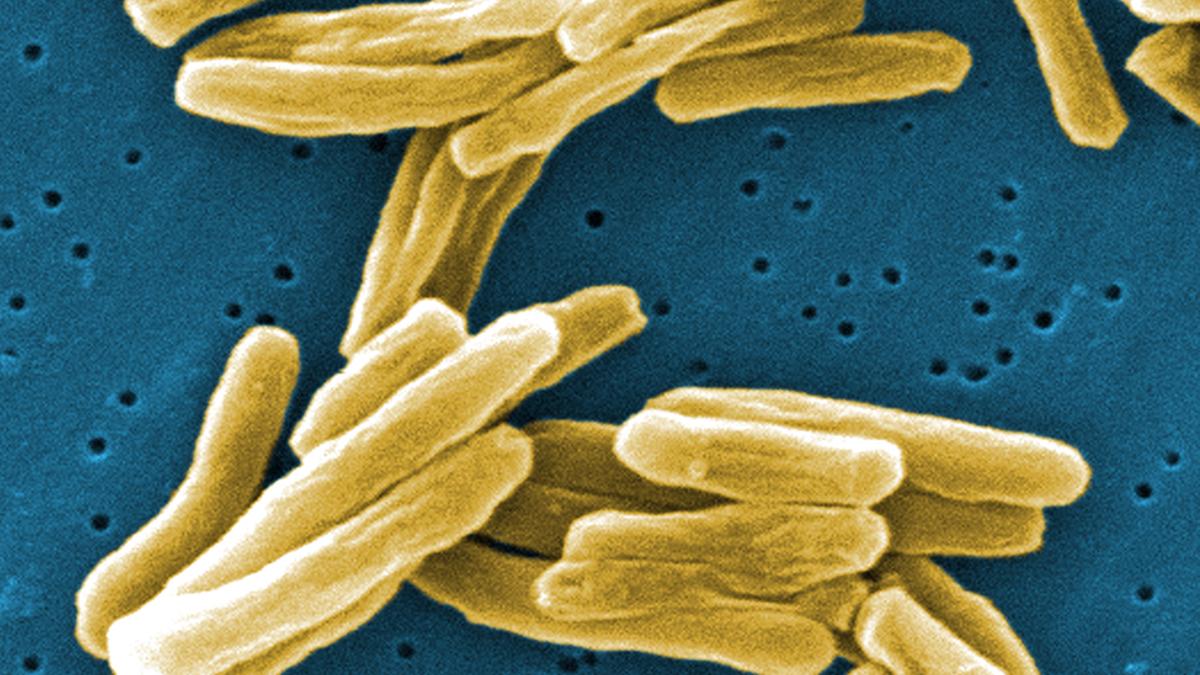
Scientists studied tuberculosis (TB) in Africa, finding that local weather and city access affect its spread.
TB is a lung disease spread through the air when infected people cough or sneeze.
The research looked at where TB is most common, using maps to see patterns.
Higher temperatures, more rain, and easier access to cities were linked to more TB cases, while higher altitudes had fewer cases.
This information can help health workers focus resources where they're most needed, using more targeted approaches instead of general plans.

Study mapped TB cases in 14 African countries.
Researchers analyzed data from 50 population-based surveys.
Higher temperatures, rainfall, and city access linked to higher TB prevalence.
Higher altitude is linked to lower TB prevalence.
The study can help target resources to fight TB more effectively.
- Who
- Researchers from Curtin University and The Kids Research Institute Australia.
- What
- Study finds weather conditions and access to cities influence prevalence of tuberculosis.
- Where
- 14 African nations, including Nigeria and Mozambique
- When
- Published on May 27, 2025.
- Why
- To help fight tuberculosis in a more targeted manner and focus health resources.
Key facts
- Study Focus
- 14 African nations, including Nigeria and Mozambique
- Participants
- Over 1.5 million people across 50 surveys
- Key Findings
- Temperature, rainfall, access to cities positively linked to TB prevalence; higher altitude linked to lower prevalence
- Methodology
- Local-level mapping, breaking countries into 5 sq km grids
- Lead Researchers
- Alemneh Liyew and Kefyalew Alene from Curtin University
- Published
- May 27, 2025