

Archive · 9 Jun 2025
UN's Role in Crisis Under Scrutiny, Reforms Needed
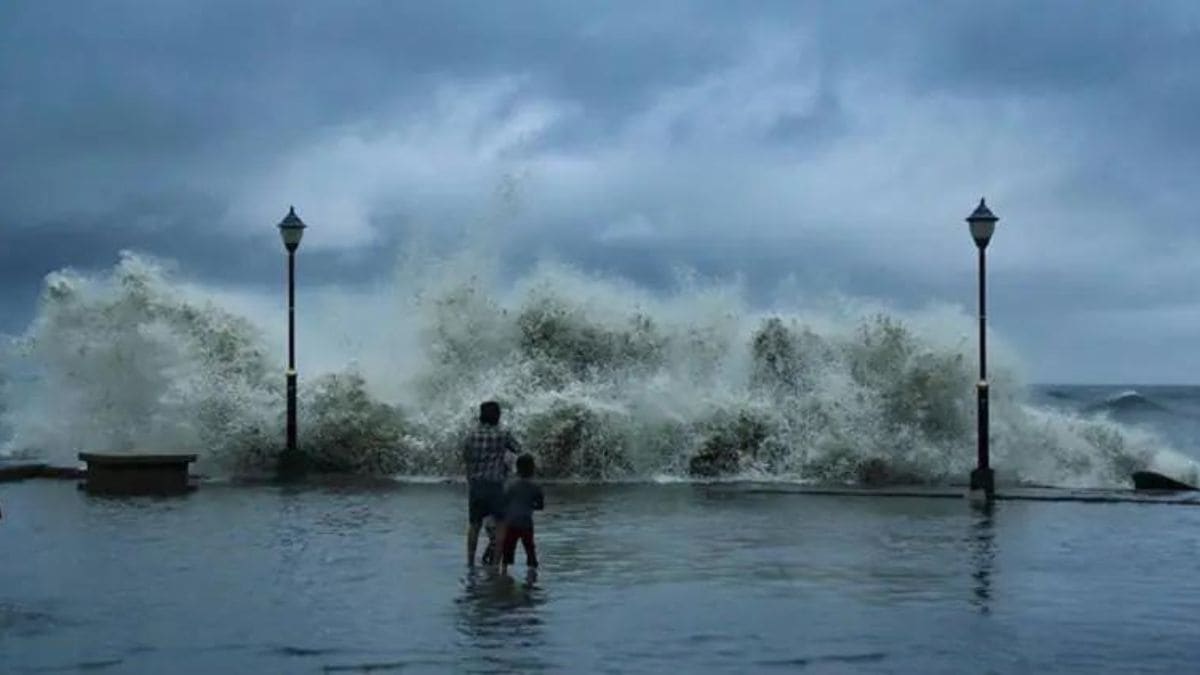
The world is facing problems like wars and climate change.
Conflicts have caused many deaths and hurt the economy.
The UN, which was created to help with these problems, is being questioned about its effectiveness.
It has helped in the past, but needs to make changes, such as limiting the power of some countries to block decisions and including more countries in important discussions.
Also, countries need to agree on how much pollution the military is causing.

Conflict levels are at an all-time high, with over 233,000 people killed in 2024.
The economic impact of violence was $19.3 trillion in 2023, equivalent to 13.5% of global GDP.
Global carbon dioxide emissions are projected to reach 41.6 gigatonnes in 2024, with military emissions contributing significantly.
The UN's effectiveness in preventing crises is under scrutiny, despite its achievements.
Reforms are needed, including limiting veto power and expanding the Security Council's permanent membership.
- Who
- The UN, its member states, and affected populations.
- What
- The UN's role in addressing global crises.
- When
- Ongoing, with data up to 2024.
- Where
- Globally
- Why
- To assess effectiveness and call for reforms.
Reformers
Status Quo
Veto Power
Reformers
The UN must limit the power of veto to promote fairness and prevent obstruction of international law.
Status Quo
The UN should maintain its current structure with the veto power of permanent members.
Military Emission Disclosure
Reformers
The UN should enforce mandatory disclosure of military emissions and set global decarbonisation targets.
Status Quo
Military emissions reporting should remain voluntary to respect national sovereignty.
- People killed in conflicts (2024)
- Over 233,000
- Global economic impact of violence (2023)
- $19.3 trillion
- Estimated military contribution to global emissions
- 5.5%
- CO2 emissions from Russia-Ukraine war
- 230 million tonnes
- UN formed
- 1945