

1 hr ago
Doctors Explain When Fatty Liver Raises Cancer Risk

Fatty liver means there is extra fat in the liver.
Having fatty liver does not automatically mean someone will get liver cancer.
The risk can become higher if the liver becomes inflamed.
It can also rise when the liver develops significant scarring, called fibrosis, or cirrhosis.
Dr. Tirathram explained that fat alone is not a direct sign of cancer risk.
Doctors therefore need to check whether the liver is becoming scarred.
An ultrasound can show fat, but the amount of fat is not the only important detail.
Checking for scarring helps doctors better understand the liver’s condition.

Fatty liver alone does not mean a person will develop liver cancer.
Cancer risk may increase if fatty liver progresses to inflammation, significant fibrosis, or cirrhosis.
Dr. Tirathram said fatty liver itself is not a direct indication of cancer risk.
Assessing liver scarring is important when evaluating potential risk.
The amount of fat seen on an ultrasound does not provide the full picture.
- Who
- Doctors discussing fatty liver, including Dr. Tirathram.
- What
- The discussion explained how fatty liver relates to liver cancer risk and why liver scarring should be assessed.
- Where
- In a live chat; no specific location was provided.
- When
- During a live chat; no specific date was provided.
- Why
- To explain that cancer risk is more concerning when fatty liver progresses to inflammation, fibrosis, or cirrhosis.
Key facts
- Condition discussed
- Fatty liver
- Cancer risk
- Fatty liver alone does not mean a person will develop liver cancer.
- Higher-risk progression
- Risk can increase with inflammation, significant fibrosis, or cirrhosis.
- Expert cited
- Dr. Tirathram
- Important assessment
- Doctors should assess liver scarring, not only liver fat.
- Ultrasound limitation
- The amount of fat seen on an ultrasound does not by itself determine cancer risk.
Sources
Related news
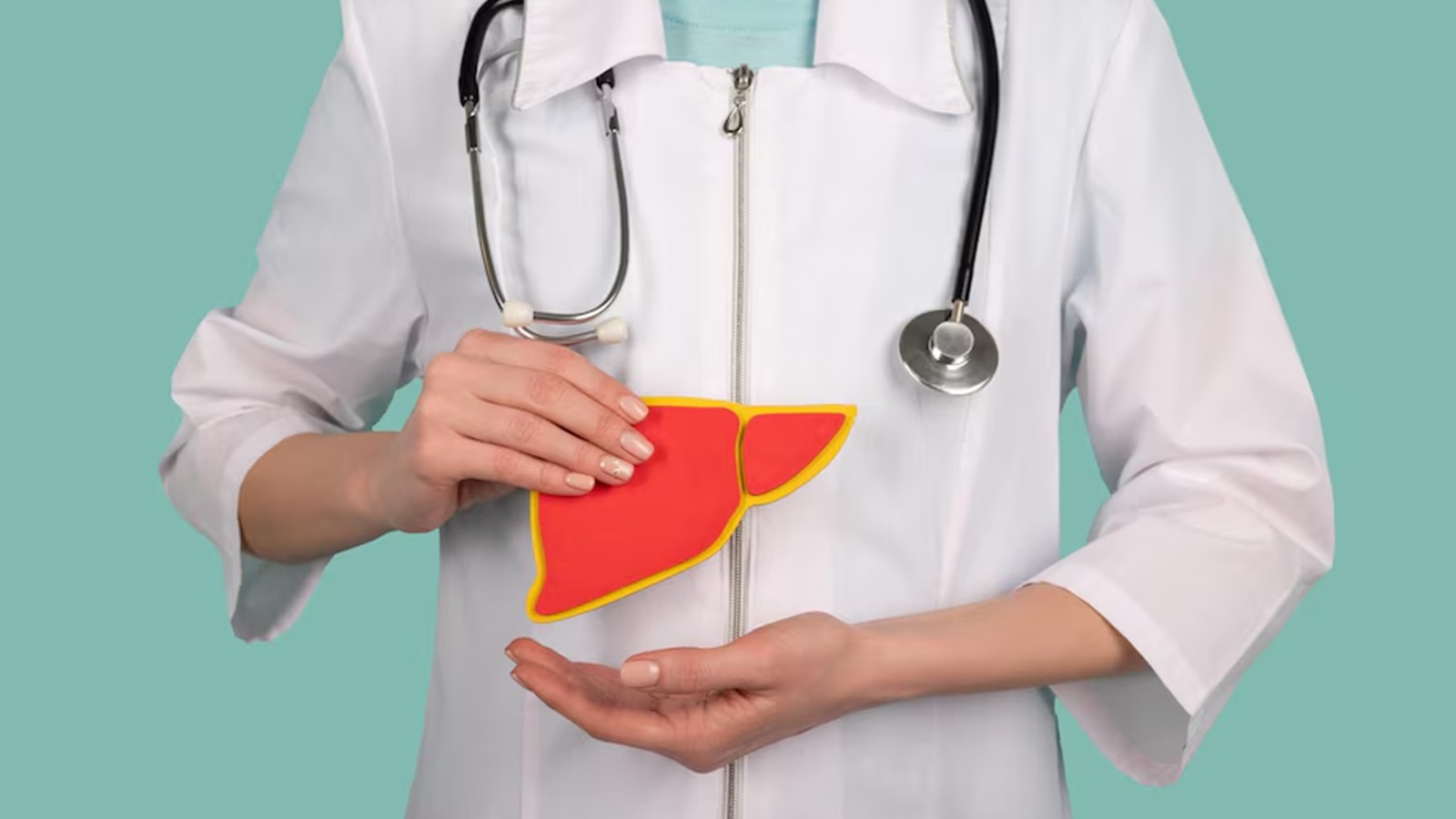
Why Fatty Liver Can Hide Even In Young Adults

AIIMS Experts Urge Early Detection as GI Diseases Rise

Fitness Does Not Make Young People Immune to Lung Cancer
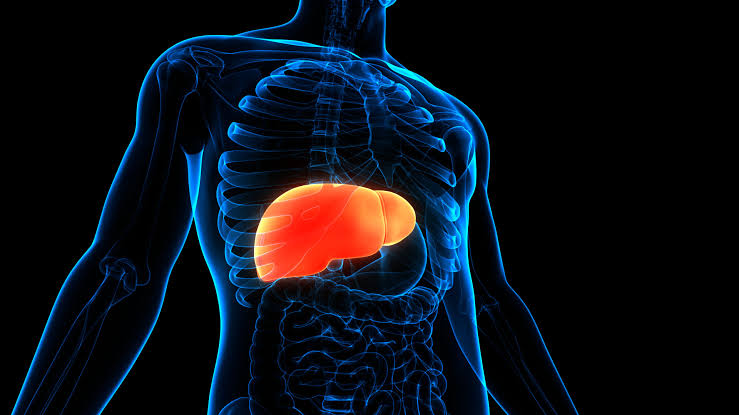
India Faces Rising Fatty Liver and Colorectal Cancer Burden

Doctors Explain Cortisol Causes, Risks, Myths, and Helpful Next Steps
