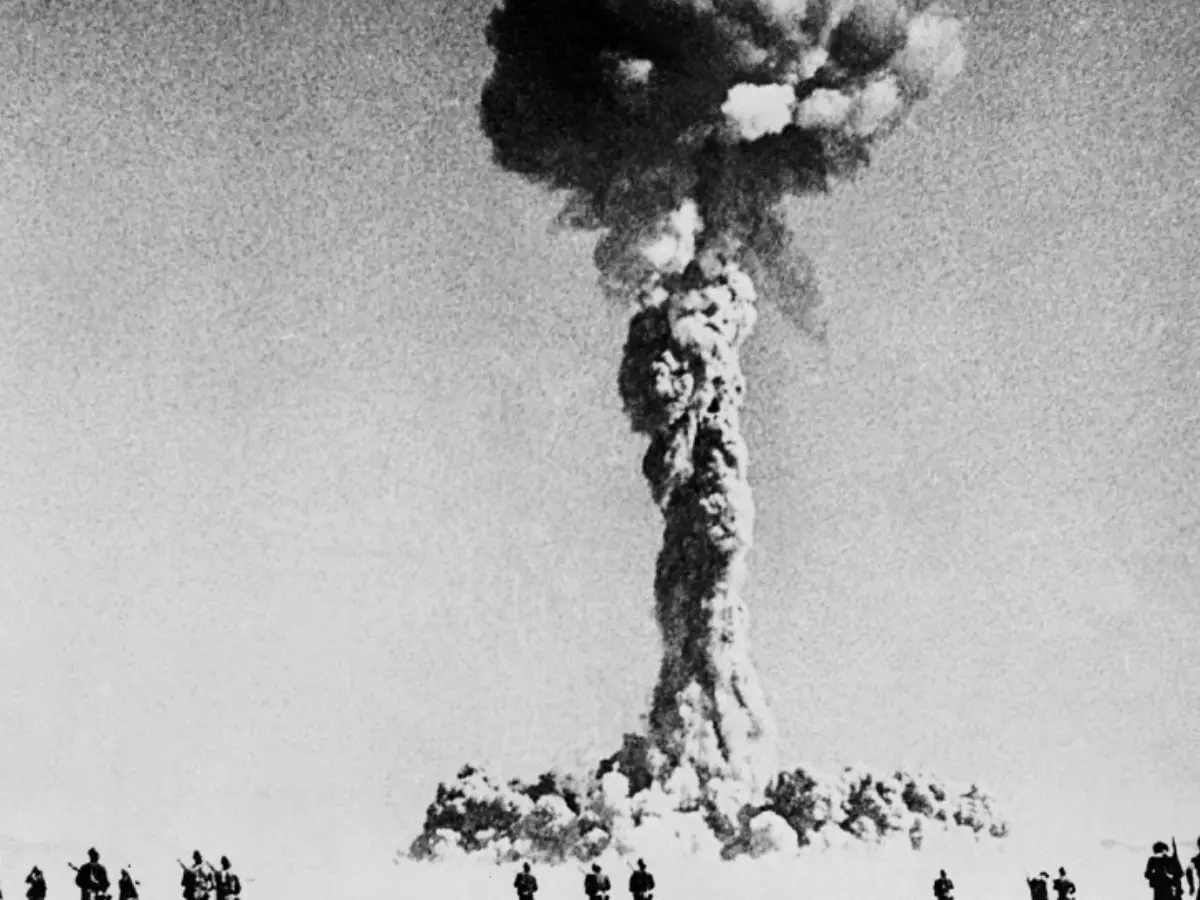
Archive · 31 Jul 2026
New Alloy Discovered in Hiroshima Atomic Bomb Debris
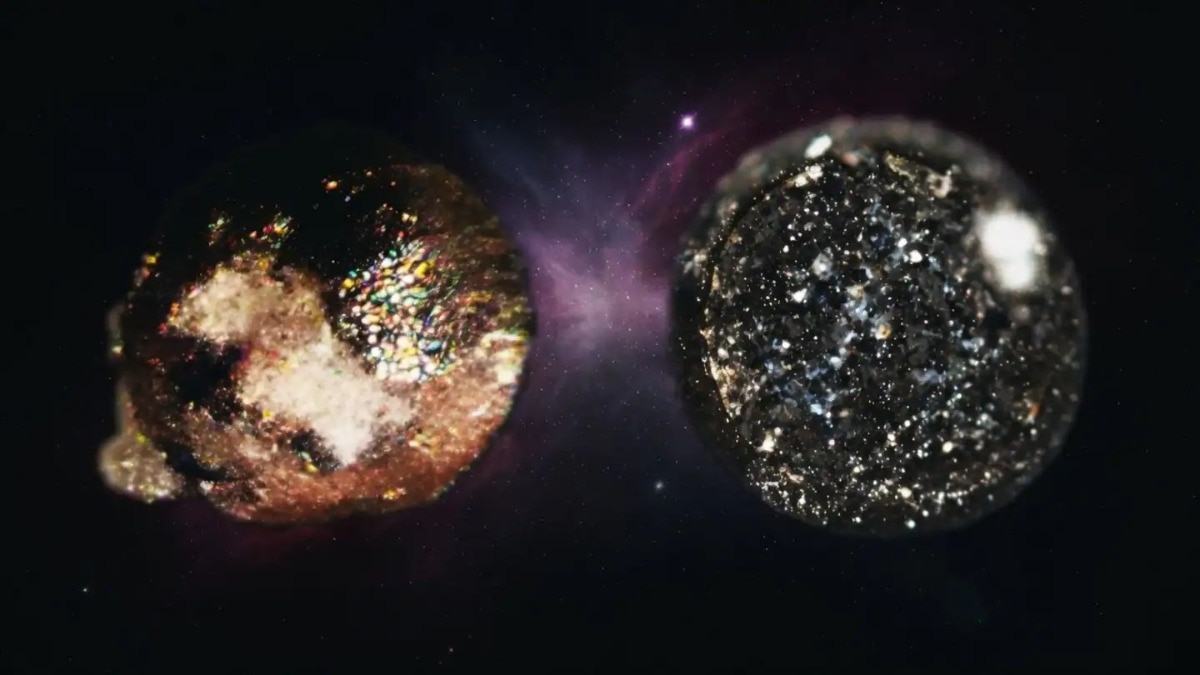
Scientists found a new kind of metal inside tiny particles that fell to the sea after the Hiroshima bomb exploded.
The metal is made of iron, chromium, nickel, and other elements, and it has a special crystal shape that never happens in normal factories.
The bomb’s fireball was so hot that it melted everything and then cooled so fast that the atoms got stuck in a new pattern.
This discovery helps scientists learn how materials behave when they are hit by huge forces, like meteor impacts.
It also shows that nuclear explosions can create new kinds of matter that we didn’t know existed.

Scientists found a previously unknown iron‑chromium‑silicon alloy in microscopic particles from Hiroshima Bay.
The alloy formed when the 1945 bomb’s fireball reached ~7,000 °C and cooled almost instantly.
The crystal structure is a single cubic phase unlike any natural or industrial alloy.
The discovery offers insights into materials formed under extreme heat, pressure, and shock.
Similar exotic materials have been found in other nuclear tests, such as the Trinity test quasicrystal.
- Who
- Scientists who studied Hiroshima Bay sediments
- What
- Discovered a previously unknown iron‑chromium‑silicon alloy
- When
- August 6, 1945 (bomb) and 2024 (study)
- Where
- Hiroshima Bay, Japan
- Why
- To understand materials formed under extreme heat, pressure, and shock
- Discovery Year
- 2024
- Alloy Composition
- Iron, Chromium, Nickel, Manganese, Molybdenum, Silicon, Aluminium
- Structure
- Single cubic crystal
- Location of particles
- Hiroshima Bay sediments
- Method
- Electron microscopy and crystallography