Archive · 9 Oct 2026
Bangladesh Seeks New Ganges Treaty With India Before December Deadline
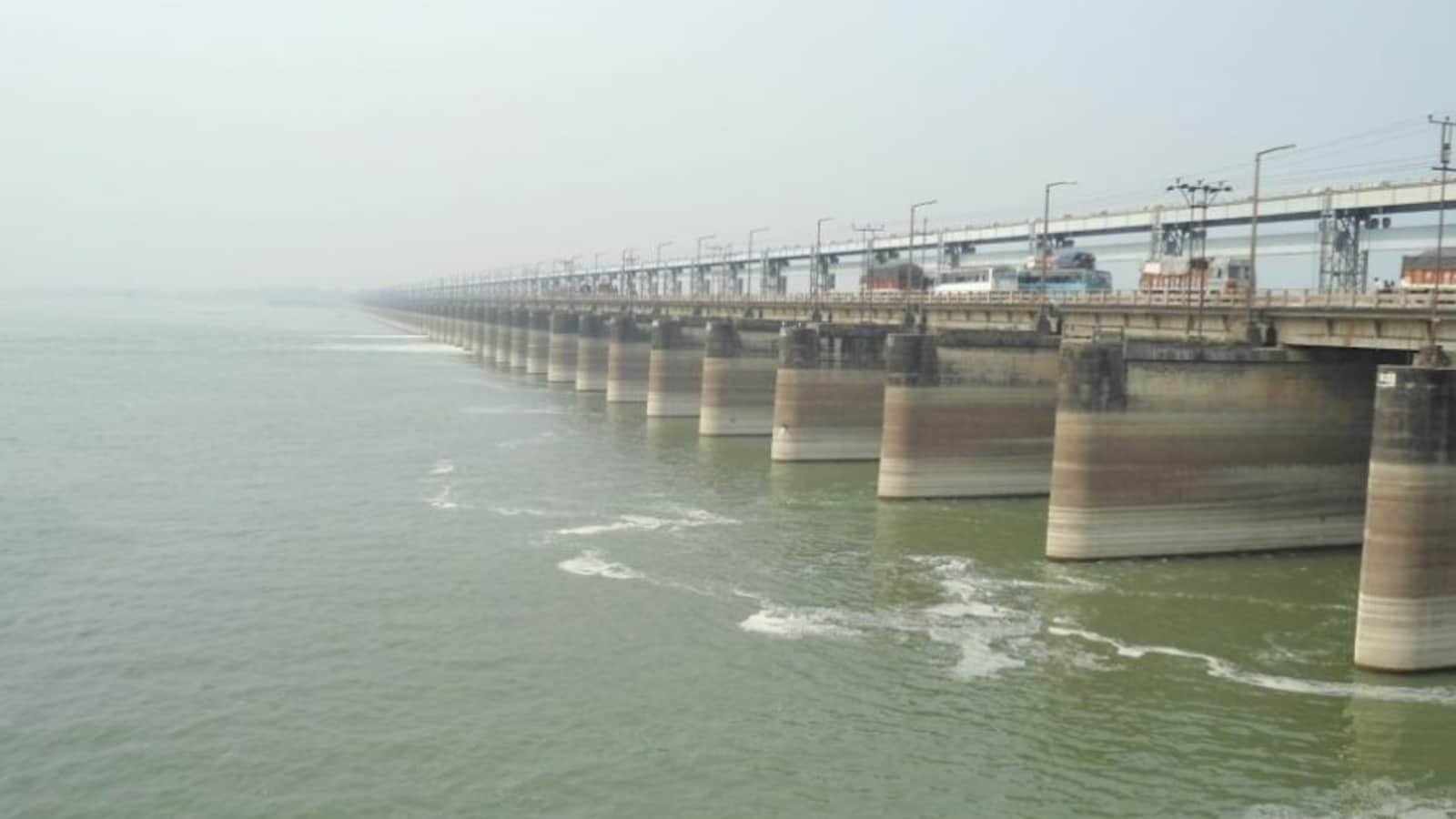
Bangladesh and India share water from the Ganges River.
Their current water-sharing agreement was signed in 1996 and is due to expire in December 2026, according to one report.
Bangladesh wants a new agreement, preferably one that lasts longer.
It says the agreement should protect its share of water during the dry season.
Bangladesh also wants a guarantee clause, like one in an earlier 1977 agreement.
The two countries are discussing the issue through the Joint Rivers Commission.
They do not agree on every detail: Bangladesh has raised environmental concerns and the possibility of involving Nepal, while India favors separate agreements with its neighbors.
Officials from Bangladesh say talks and cooperation could lead to an agreement before December 12.

Bangladesh wants a new, preferably longer-term Ganges water-sharing agreement with India before December 12.
Bangladeshi Water Resources Minister Shahid Uddin Chowdhury Anee says the agreement should protect Bangladesh’s required dry-season water share with a guarantee clause.
The 1996 treaty is due to expire in December 2026, according to one report; another describes the deadline as approaching without specifying a year.
The countries are discussing water issues through the Joint Rivers Commission, while Bangladesh has formed a committee to examine them.
Bangladesh favors restoring a guarantee clause and has raised broader environmental and possible Nepal-related concerns; Indian experts and officials favor different safeguards and separate bilateral frameworks.
- Who
- Bangladesh and India; Bangladeshi ministers Shahid Uddin Chowdhury Anee and Humaiun Kobir discussed Bangladesh’s position.
- What
- Bangladesh seeks a new, preferably longer-term Ganges water-sharing agreement with a safeguard for its dry-season share.
- When
- The treaty was signed on December 12, 1996, and is due to expire in December 2026 according to one report. Bangladesh hopes to conclude a new agreement before December 12.
- Where
- The Ganges at the Farakka Barrage in West Bengal and downstream in Bangladesh.
- Why
- Bangladesh says it wants to protect its required dry-season water share and national interests.
Bangladesh’s stated priorities
Indian positions and expert concerns
Dry-season guarantee
Bangladesh’s stated priorities
Bangladesh wants a guarantee clause to protect its required share and has called for restoring a provision used in the 1977 agreement.
Indian positions and expert concerns
Indian hydrology experts cited in the article argue that such a clause could disadvantage India when river flow is low; the 1996 treaty instead includes an alternating 35,000-cusec provision for specified periods.
Regional scope
Bangladesh’s stated priorities
Some experts in Bangladesh have suggested including Nepal in a trilateral agreement, citing water entering the Ganges system from rivers flowing from Nepal.
Indian positions and expert concerns
India prefers separate, direct bilateral frameworks with neighboring countries rather than combining them into a regional treaty.
Negotiation approach
Bangladesh’s stated priorities
Bangladeshi officials say a new agreement should protect national interests and be reached through cooperation and dialogue.
Indian positions and expert concerns
Humaiun Kobir said a positive outcome depends on sincerity and political will on both sides, and that international law is also being considered.
- Existing agreement
- The Ganges Water Sharing Treaty was signed by India and Bangladesh on December 12, 1996, for 30 years.
- Reported expiry
- One article says the treaty is due to expire in December 2026; the other describes the deadline as approaching but does not state a year.
- Bangladesh’s proposal
- A new or revised agreement, preferably for a longer duration.
- Bangladesh’s requested safeguard
- A guarantee clause to protect its required dry-season share; Bangladesh says the clause appeared in the 1977 agreement.
- Negotiation mechanism
- The Joint Rivers Commission is the bilateral forum for water-related discussions.
- Bangladesh’s target
- Anee said Bangladesh hopes to complete an arrangement before December 12.
- Treaty provisions described
- The 1996 treaty sets seasonal allocations and calls for consultations if flow at Farakka falls below 50,000 cusecs in a 10-day period.
- Other proposals and concerns
- Some Bangladeshi experts have raised environmental flows, climate change and possible Nepal participation; India favors separate bilateral frameworks.