Archive · 26 Sep 2026
Iran Offers Seven-Day Hormuz Reopening for U.S. Conditions

Iran has suggested a plan to lower tensions with the United States.
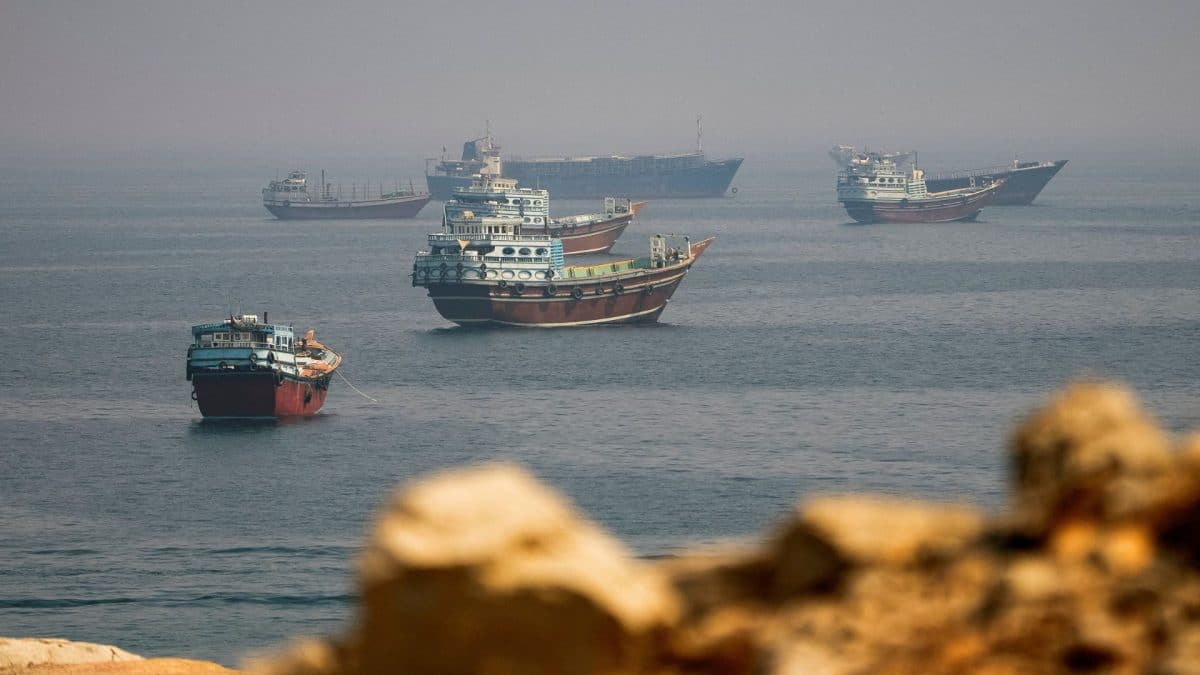
It says it could reopen the Strait of Hormuz and restart talks about its nuclear program within seven days.
In return, Iran wants the United States to lift a naval blockade and allow Iranian oil sales.
Iran also wants a ceasefire that includes Lebanon.
Foreign Minister Abbas Araghchi described the proposal at a private meeting in New York.
A similar plan made in June did not last after shipping attacks resumed.
Qatar is helping communicate between the two countries.
However, both sides remain suspicious, and it is unclear whether all Iranian leaders would support a compromise.

Iran proposed reopening the Strait of Hormuz and resuming nuclear negotiations within seven days.
The offer requires the United States to lift its naval blockade, waive sanctions on Iranian oil sales and observe a ceasefire including Lebanon.
Foreign Minister Abbas Araghchi presented the proposal at a private meeting in New York, according to attendee Trita Parsi.
The proposal resembles a June memorandum that envisioned a 60-day interim period but later collapsed after attacks on shipping resumed.
Qatar is mediating between Iran and the United States, while President Donald Trump has said he is not rushing toward a deal.
- Who
- Iranian Foreign Minister Abbas Araghchi presented the proposal; Iran and the United States are the main parties, with Qatar acting as a mediator.
- What
- Iran offered to reopen the Strait of Hormuz and resume nuclear negotiations within seven days in exchange for U.S. concessions and a ceasefire including Lebanon.
- When
- Araghchi presented the proposal on Thursday during the United Nations General Assembly; Iranian President Masoud Pezeshkian met Qatar's prime minister early Friday.
- Where
- The proposal was presented at a private meeting in New York on the sidelines of the United Nations General Assembly.
- Why
- Iran seeks the lifting of the naval blockade, permission to sell oil despite sanctions and a ceasefire; supporters also said a rapid agreement could reduce energy prices and offer Donald Trump political benefits.
Supporters of Rapid Diplomacy
Skeptics and Cautious Officials
Potential political and economic benefits
Supporters of Rapid Diplomacy
Trita Parsi said a quick agreement could benefit Donald Trump before the November midterm elections and potentially reduce gas prices.
Skeptics and Cautious Officials
Trump has said he is not rushing toward a deal, while high oil prices continue to fuel inflation and cost-of-living concerns.
Iran's intentions
Supporters of Rapid Diplomacy
The proposal could reopen a major shipping route and restart nuclear negotiations while creating space for diplomacy.
Skeptics and Cautious Officials
Parsi cited deep suspicion that Iran might be seeking mainly to sell more oil and ease economic pressure without making lasting commitments.
Durability of an agreement
Supporters of Rapid Diplomacy
The accelerated proposal offers a way to revive negotiations after renewed diplomatic activity involving Qatar.
Skeptics and Cautious Officials
The similar June understanding collapsed after attacks on shipping resumed, and both sides have accused each other of violating it.
Iranian political support
Supporters of Rapid Diplomacy
President Masoud Pezeshkian and other relatively moderate figures have been associated with compromise efforts.
Skeptics and Cautious Officials
Questions remain over whether hard-liners who dominate Iran's security forces would accept those compromises.
- Proposed timeline
- Seven days to reopen the Strait of Hormuz and resume nuclear talks
- Iranian conditions
- Lift the United States' naval blockade, waive sanctions on Iranian oil sales and observe a ceasefire including Lebanon
- Presenter
- Iranian Foreign Minister Abbas Araghchi
- Earlier agreement
- A June memorandum envisioned a 60-day interim period but later collapsed
- Mediation
- Qatar has mediated indirect discussions between Iran and the United States
- U.S. position
- Donald Trump has said he is in no rush to reach a deal
- Unresolved issue
- It is unclear whether the proposal would cover the renewed conflict involving Yemen's Houthi rebels and Saudi Arabia