Archive · 29 Oct 2025
Psoriasis Impacts Mental Health: Survivor Shares Personal Journey

Imagine your body's defense system gets a little confused and starts attacking your own skin cells.
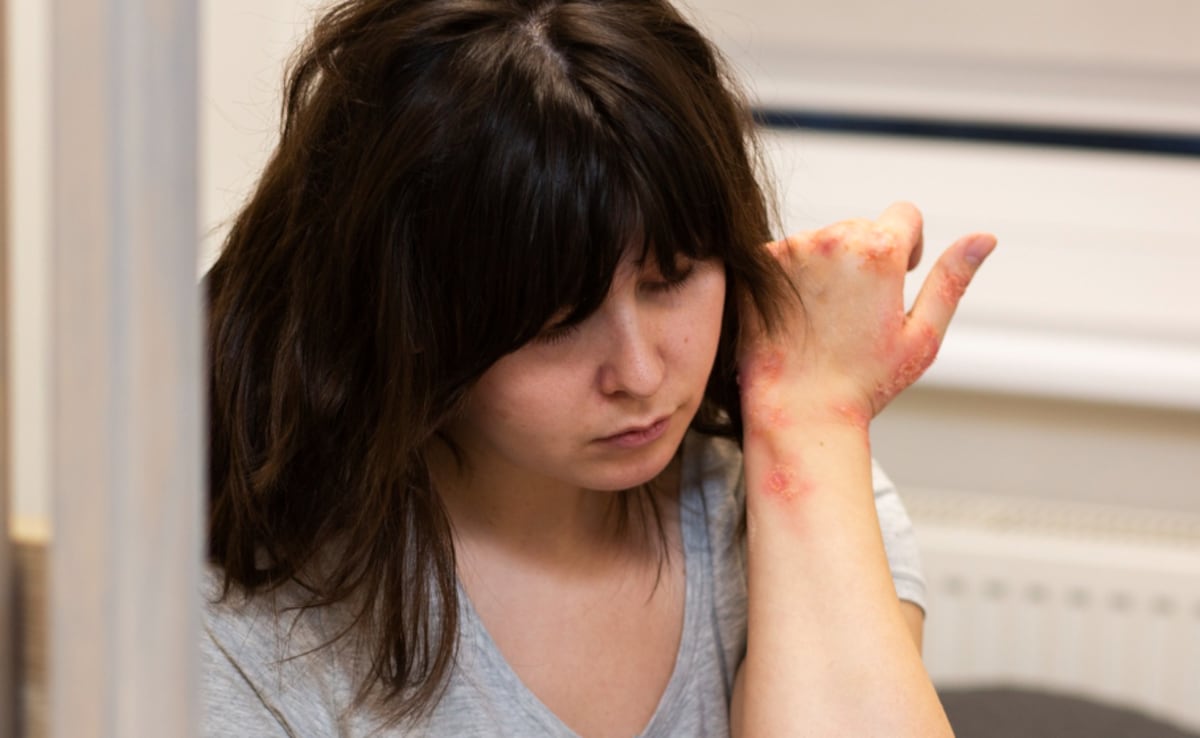
This causes patches of skin to become red, scaly, and itchy, which is called psoriasis.
For one person, it started small but got worse, affecting not just their skin but also how they felt about themselves.
Stress can make psoriasis flare up, like during the pandemic when lots of hand washing made it worse.
This made them feel anxious and sad.
They learned that taking care of their mind through things like therapy and breathing exercises is as important as using creams.
Changing their perspective to accept the condition, rather than fight it, helped them heal.
Now, they manage it by paying attention to triggers and taking care of both their body and mind.
It shows that living with psoriasis means focusing on overall well-being, not just clear skin.

Psoriasis is a chronic autoimmune condition causing rapid skin cell multiplication, leading to red, scaly lesions that can significantly impact mental health.
The survivor experienced cycles of flares and remission, dealing with physical discomfort, emotional fatigue, and a diminished sense of self-esteem.
Stress is identified as a powerful trigger for psoriasis flare-ups, with studies indicating a high prevalence of anxiety and depression among patients.
The COVID-19 pandemic, with its emphasis on hygiene, exacerbated symptoms for some and heightened feelings of isolation and anxiety.
Effective management of psoriasis involves a holistic approach, integrating dermatological treatment with mental health care, stress management, lifestyle adjustments, and self-acceptance.
- Who
- A psoriasis survivor who experienced the condition for nearly a decade, alongside references to various Indian studies.
- What
- A personal account of living with psoriasis, highlighting its significant impact on mental health, alongside expert advice and study findings.
- When
- On World Psoriasis Day, with references to studies from 2020, 2023, and 2024.
- Where
- The survivor's journey includes experiences in Delhi and Pune, India, with study references from India.
- Why
- To raise awareness about the mental health burden of psoriasis, debunk myths, and offer guidance for managing the condition comprehensively.
- Condition Type
- Autoimmune disease
- Primary Impact
- Physical skin lesions and significant mental/emotional fatigue
- Common Triggers
- Stress, infections, cold weather, dry weather, skipped meals, alcohol, some medications, frequent handwashing
- Associated Mental Health Issues
- Anxiety, depression, diminished self-esteem, internalized stigma
- Recommended Management
- Early dermatologist consultation, trigger identification, regular moisturizing, stress management, therapy, mindful skincare, balanced diet, adequate sleep, open communication, support groups, patience
- Key Finding (2024 Indian Journal of Dermatology study)
- Psoriasis significantly impairs psycho-social domains like work, relationships, and self-esteem.
- Key Finding (Assam study, 2021-2022)
- Over 60% of psoriasis patients experience psychiatric symptoms like anxiety and depression.