

Archive · 30 Sep 2025
UPSC Quiz: Key Points on Governance and Polity
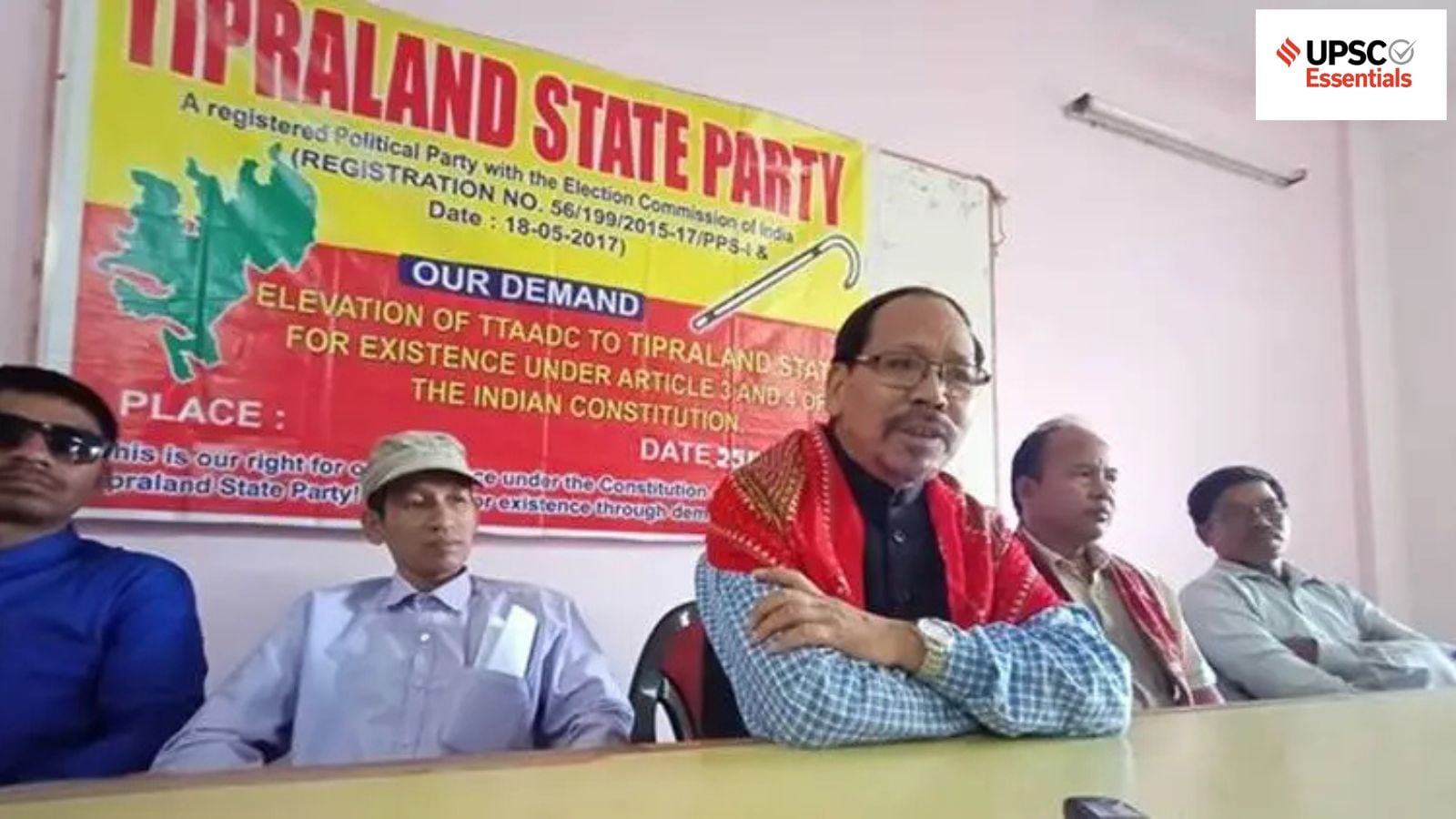
This article is like a quiz to help people understand how the Indian government works.
It covers topics such as local councils that have some power, how defamation (damaging someone's reputation) is treated, and what the Union Public Service Commission (UPSC) does.
It also explains what the Rajya Sabha is.
It answers questions about the Indian legal system including foreign divorce and marriage laws.
Basically, it gives a quick rundown of important parts of the Indian government, like who makes rules, and how things are decided.

Autonomous District Councils (ADCs) are administrative divisions under Article 244.
ADCs have up to 30 members with a 5-year term and can make laws.
Defamation can be a private or public offense.
The UPSC was founded in 1926 and formerly known as FPSC.
Rajya Sabha is the Upper House of the Indian Parliament and represents states.
- Who
- The article focuses on various aspects of Indian Polity, including Autonomous District Councils, Defamation laws, UPSC, Rajya Sabha, and international law.
- What
- The article discusses quizzes related to Polity and Governance with multiple-choice questions.
- When
- Information is relevant to current events and the UPSC exam preparation.
- Where
- Information relates to India and its governance structures.
- Why
- To aid in revising key topics from the static portion of the syllabus for the UPSC exam.
- ADCs
- Autonomous District Councils formed under Article 244
- ADCs Membership
- Up to 30 members, with a 5-year term
- Criminal Defamation
- Punishable by fine or imprisonment
- Civil Defamation
- Remediated by compensation
- UPSC Founding
- Founded October 1, 1926, under the Government of India Act, 1919
- UPSC Name Change
- Federal Public Service Commission (FPSC) from 1937 to 1950
- Rajya Sabha
- Upper House of Indian Parliament
- Foreign Divorce
- Decrees are not automatically valid in India