

Archive · 21 Jul 2026
High Humidity Increases Dehydration Risk
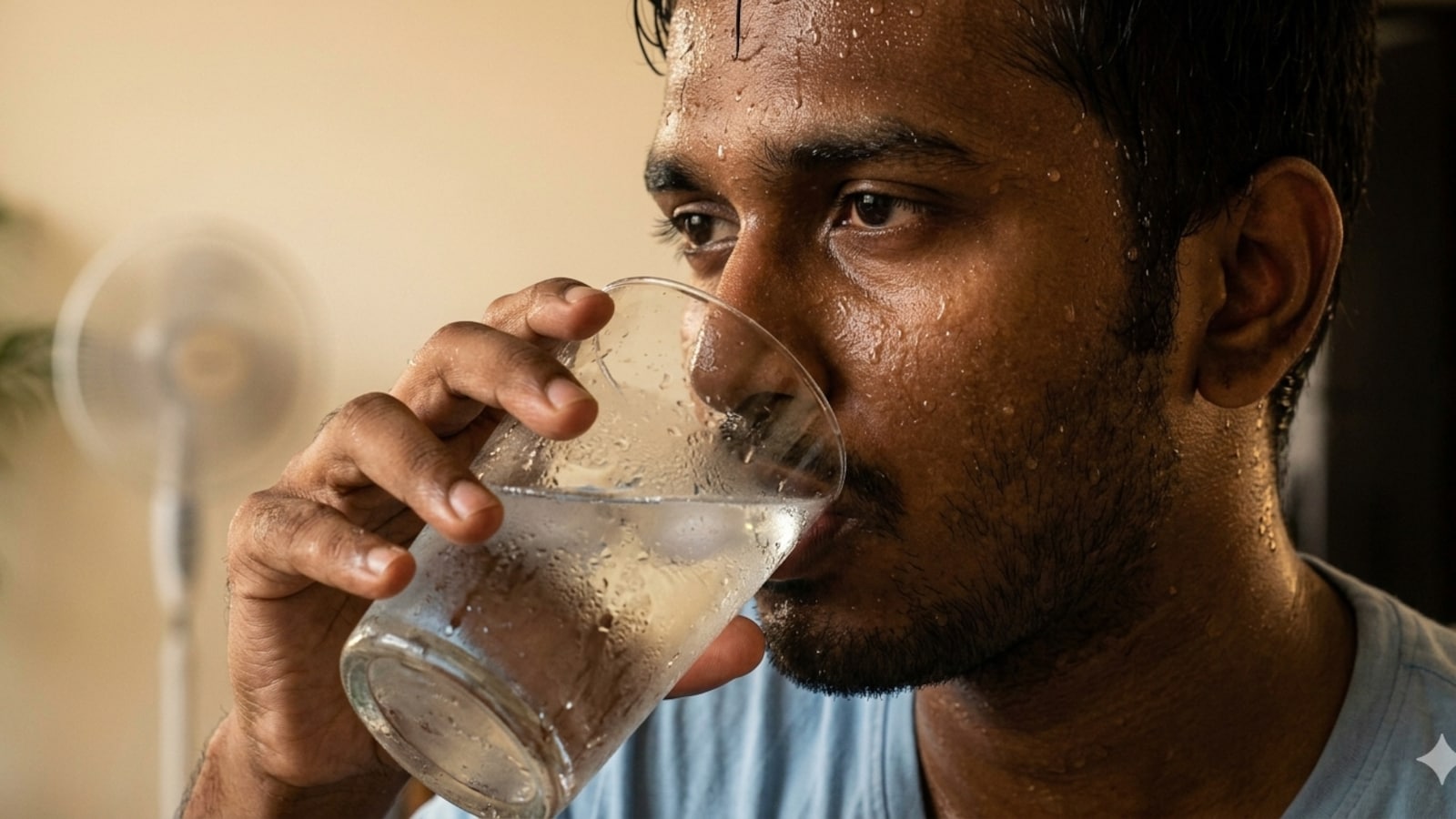
High humidity can make it hard for your body to cool down because sweat doesn't evaporate well.
This can lead to dehydration and heat-related illnesses.
People like children, older adults, and those with health problems are more at risk.
Symptoms include feeling thirsty, dizzy, and having a headache.
To stay safe, drink plenty of fluids, wear loose clothes, and avoid heavy activities when it's very hot.
Eating fruits like watermelon and oranges can also help.
Avoid drinks with sugar, caffeine, or alcohol as they can make dehydration worse.

High humidity prevents sweat from evaporating, making it hard for the body to cool down.
Dehydration can occur before feeling thirsty, especially in high-risk groups like children and senior citizens.
Symptoms of dehydration include thirst, dizziness, headache, fatigue, muscle cramps, dry mouth, and decreased urination.
Severe symptoms like confusion, rapid heartbeat, fainting, or prolonged vomiting indicate heat exhaustion or heat stroke.
Preventive measures include drinking fluids throughout the day, wearing loose clothing, and avoiding heavy outdoor activities during peak hours.
- Who
- People in high-risk groups such as children, senior citizens, and those with chronic illnesses
- What
- High humidity increases the risk of dehydration and heat-related illnesses
- When
- During hot and humid months, especially with the arrival of monsoons
- Where
- Areas with high humidity levels
- Why
- High humidity prevents sweat from evaporating, making it difficult for the body to regulate temperature and cool down
Preventive Measures
Risk Factors
Hydration
Preventive Measures
Drinking fluids throughout the day, especially before and after outdoor activities, is crucial to prevent dehydration.
Risk Factors
People in high-risk groups such as children, senior citizens, and those with chronic illnesses are more susceptible to dehydration.
Clothing and Activities
Preventive Measures
Wearing loose, lightweight garments and avoiding heavy outdoor activities during the hottest hours can reduce the risk of heat-related illnesses.
Risk Factors
Outdoor workers, athletes, and individuals who commute long distances face increased risks due to prolonged exposure to heat.
Diet and Hydration Sources
Preventive Measures
Consuming fresh fruits like watermelon, oranges, cucumber, and musk melon can help maintain hydration and electrolyte balance.
Risk Factors
Limiting sugary, caffeinated, and alcoholic drinks is important as they contribute to dehydration.
- Primary Health Risk
- Dehydration and heat exhaustion
- Main Cause
- High humidity preventing sweat evaporation
- High-Risk Groups
- Children, senior citizens, people with diabetes, heart disease, and kidney problems
- Symptoms of Dehydration
- Thirst, dizziness, headache, fatigue, muscle cramps, dry mouth, decreased urination, inability to concentrate
- Severe Symptoms
- Confusion, rapid heartbeat, fainting, prolonged vomiting
- Preventive Measures
- Drinking fluids, wearing loose clothing, avoiding heavy outdoor activities during peak hours
- Hydration Sources
- Water, fresh fruits, oral rehydration solutions
- Avoid
- Sugary, caffeinated, and alcoholic drinks