Archive · 5 Jun 2025
Goa's Mangroves and Coast Face Rising Plastic Pollution Threat
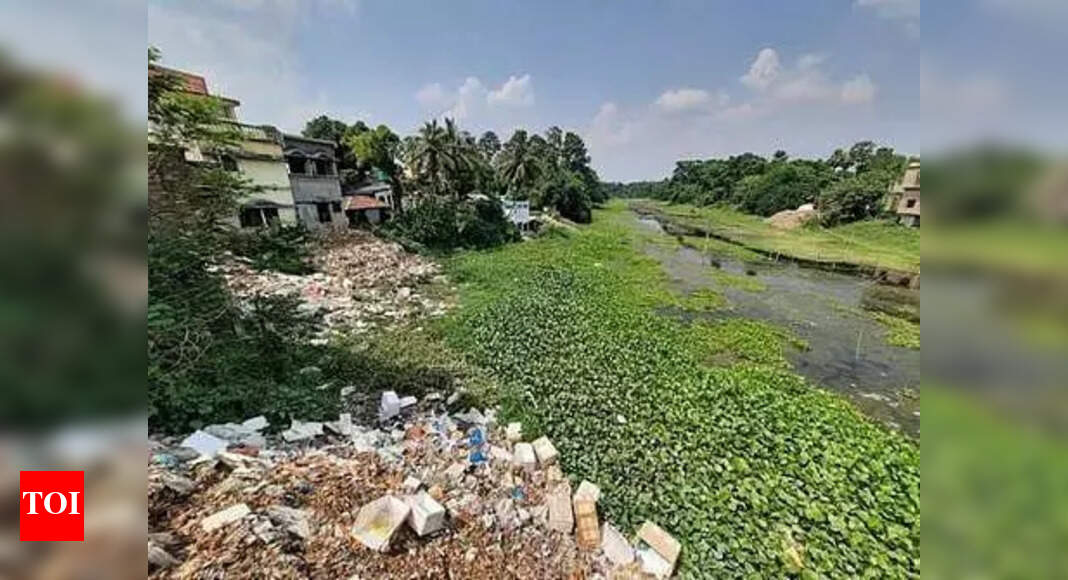
Scientists are studying how plastic trash is hurting the environment in Goa, especially in the mangroves and along the coast.
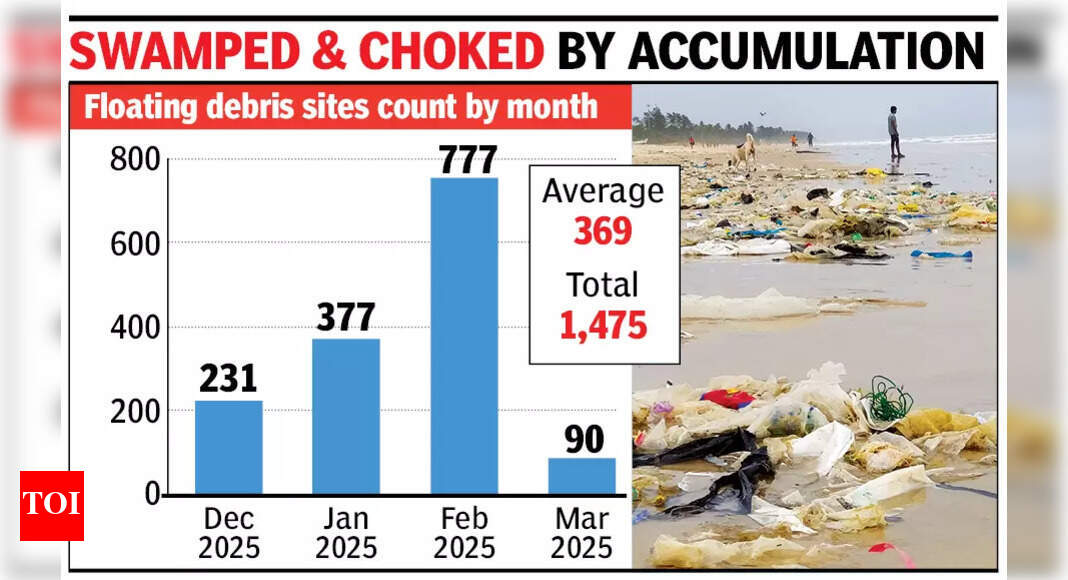
They found a lot of plastic, like wrappers and bottles, is ending up in the water and harming the plants and animals there.
Weather patterns like La Nina and winds push even more plastic towards Goa's shores.
Rivers carry plastic waste from cities like Panaji and Mormugao into the ocean.
Since Goa has a lot of tourists, a lot of plastic comes from tourism.
They are working on ways to track the plastic to protect the beaches.

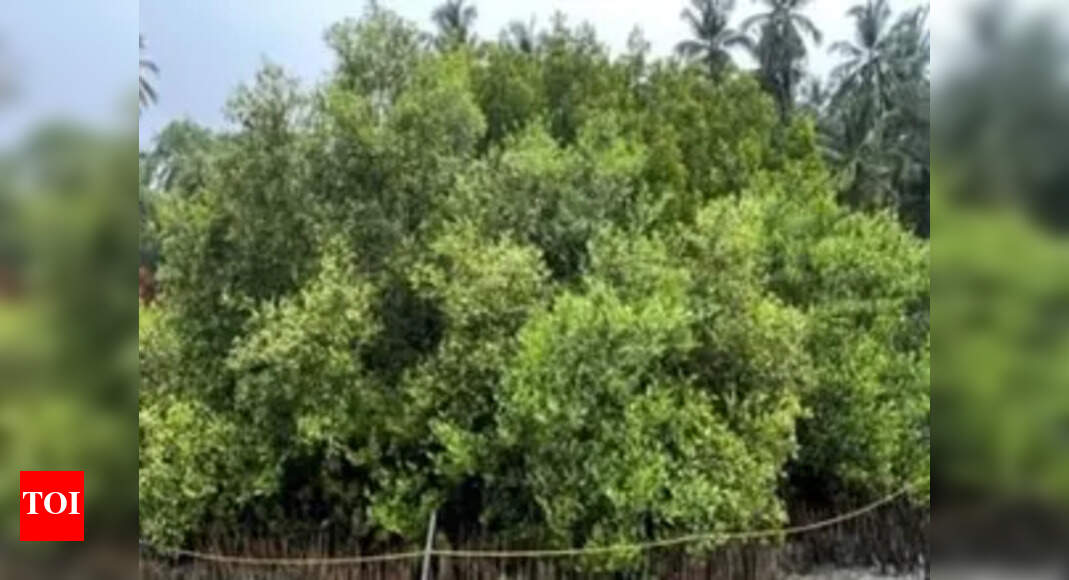
Mangrove forests in Goa are highly vulnerable to plastic pollution, impacting ecosystems.
A study indicates plastic items, especially single-use, dominate the litter composition in mangroves.
La Nina and monsoon winds intensify currents, pushing plastic debris towards Goa's coast.
Heavy plastic accumulation is found near rivers draining urban areas like Panaji and Mormugao.
Goa generates the highest per capita plastic waste in India; tourism is a significant contributor.
- Who
- Researchers from the National Institute of Oceanography (NIO), Goa, WWF India, and Central Marine Fisheries Research Institute (CMFRI).
- What
- Plastic pollution in Goa's coastal and marine environments
- When
- Ongoing, with studies conducted recently.
- Where
- Goa, India, specifically in and around mangrove forests, coastal areas, and rivers.
- Why
- To understand and address the sources and impacts of plastic pollution on Goa's coast and mangroves.
- Affected Areas
- Mangrove forests, coastal areas, rivers of Goa
- Key Pollutants
- Plastic items, including wrappers, bottles, and bags
- Primary Source
- Land-based sources, including urban runoff and tourism
- Contributing Factor
- La Nina and monsoon winds
- Plastic Waste per Capita (Goa)
- Nearly 12kg annually (2019-20)
Sources
Sabuj Mancha on plastic pollution threat to rivers

Armed with 3 ‘R’s — recycling, rules & rag pickers — city battles plastic litter

Educational institutes take stand with fines, jute bags & cardboards
Wrappers and bottles choking mangroves: NIO study