

8 hrs ago
Trump Defends News Outlet Ban as Legal Challenges Loom
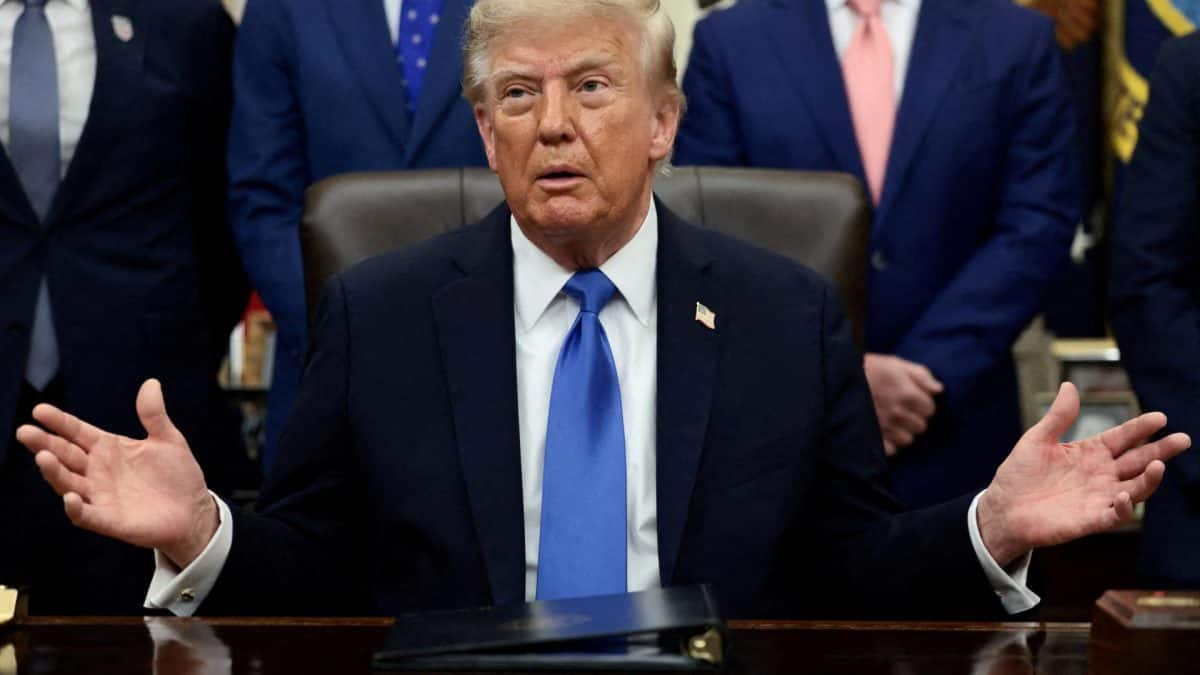
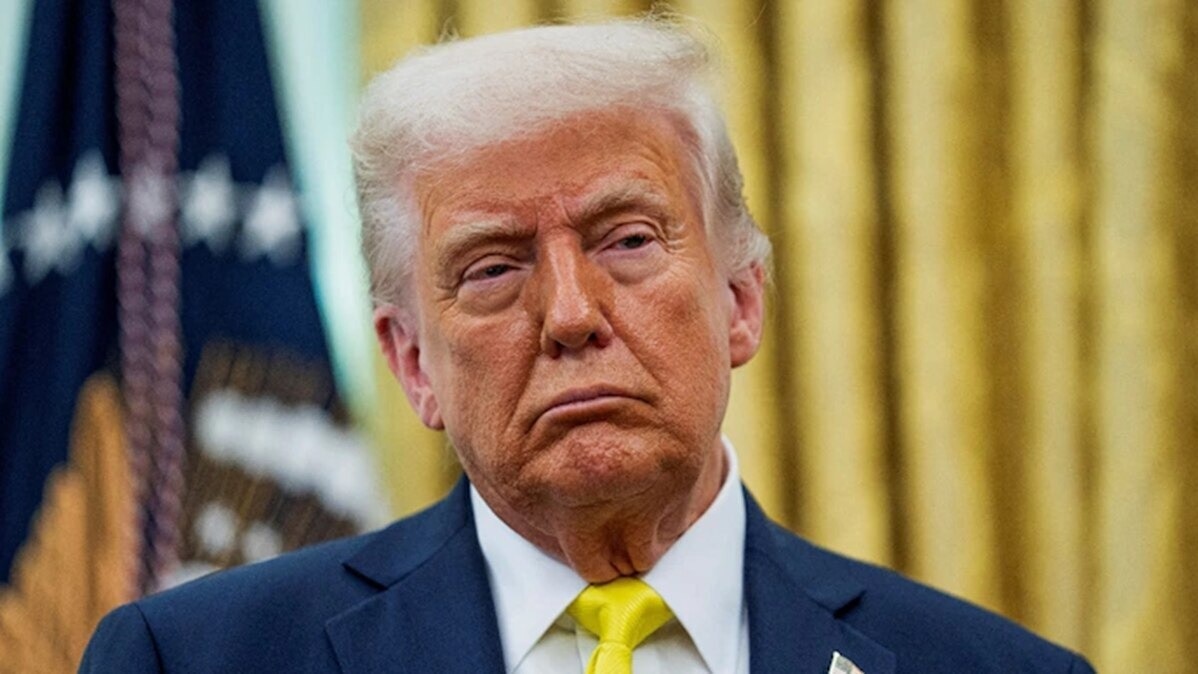
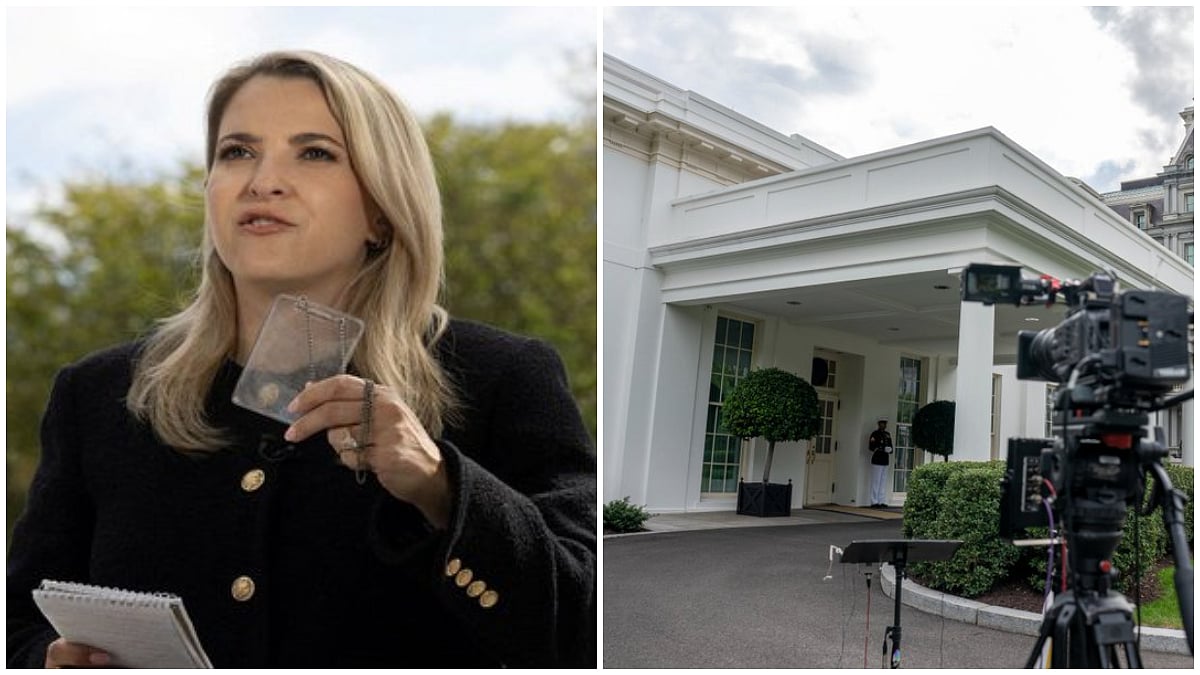
President Donald Trump has stopped CNN, MS NOW and Politico from accessing certain government facilities.
The outlets are preparing to challenge that decision in court.
Mike Waltz, a United States ambassador, said the president can limit access for journalists he believes are not reporting in good faith.
He pointed to a Supreme Court case about the difference between publishing information and gathering it.
Critics say the government cannot choose which reporters may work based on their opinions or coverage.
They note that reporters from many organizations have traditionally been allowed onto White House grounds.
Republican lawmakers emphasized that Trump often answers questions from reporters.
Democratic officials and press groups said the ban threatens constitutional press freedoms.

CNN, MS NOW and Politico are preparing legal action against President Donald Trump’s decision to bar them.
United States Ambassador to the United Nations Mike Waltz defended the restrictions during CNN’s State of the Union.
Waltz cited the 1965 Supreme Court ruling Zemel v. Rusk to argue that access to government facilities can be limited.
Press groups say excluding outlets because of unfavorable coverage violates the First Amendment’s protection against viewpoint discrimination.
Republican lawmakers defended Trump politically, while Democratic officials condemned the restrictions as unconstitutional.
- Who
- President Donald Trump, CNN, MS NOW, Politico, Mike Waltz, press groups and divided lawmakers.
- What
- Trump barred CNN, MS NOW and Politico from access, prompting the outlets to prepare legal action.
- Where
- The dispute concerns access to White House and other government facilities in the United States.
- When
- The outlets’ planned legal action and public debate were reported on Sunday; Trump discussed the decision on Friday.
- Why
- Trump said he objected to stories he considered purposely negative, while his defenders argued that he may limit access for journalists not acting in good faith.
Critics of the ban
Defenders of the ban
Viewpoint discrimination
Critics of the ban
Press groups and critics argue that excluding CNN, MS NOW and Politico because of unfavorable coverage violates the First Amendment and established protections against viewpoint discrimination.
Defenders of the ban
Trump said he does not have to allow outlets that publish what he considers purposely negative stories into the people’s house.
Presidential authority over access
Critics of the ban
Critics argue that once the White House opens its facilities to the press generally, it cannot selectively exclude journalists or outlets.
Defenders of the ban
Mike Waltz argued that the president is within his rights to limit journalists’ access to government facilities, particularly when he believes they are not acting in good faith.
Meaning of press access
Critics of the ban
Opponents say the restrictions prevent the three outlets from asking questions and doing their reporting work.
Defenders of the ban
Waltz cited Zemel v. Rusk, which held that the right to speak and publish does not include an unrestrained right to gather information.
Key facts
- Affected outlets
- CNN, MS NOW and Politico
- Administration defender
- Mike Waltz, United States Ambassador to the United Nations
- Legal precedent cited
- The 1965 Supreme Court ruling Zemel v. Rusk
- Central constitutional issue
- Whether excluding outlets over their viewpoints violates the First Amendment
- Press-group position
- The National Press Club said the government cannot choose which journalists are allowed to do their jobs
- Related precedent
- A Trump-appointed Washington judge previously ruled that the White House cannot exclude journalists based on viewpoint when it opens facilities to the press generally
- Political reaction
- Republican lawmakers largely emphasized Trump’s interactions with reporters, while Democratic officials condemned the restrictions
Quotes
Mark Schoeff Jr
President of the National Press Club criticizing the restrictions
“The president is absolutely within his rights to limit journalists to government facilities, particularly when, in his opinion, they’re not behaving as good-faith journalists. And that’s just not his opinion. That’s the Supreme Court’s opinion.”
 firstpost.com
“The First Amendment does not permit the government to pick and choose which journalists are allowed to do their jobs.”
firstpost.com
Sources
Related news
Trump Ban Blocks CNN, MS NOW, Politico From White House
News Outlets Sue Trump Administration Over White House Access Ban
Trump Ban Denies CNN, MS NOW, Politico White House Access
Trump Targets CNN, Politico and MS NOW Over Access

Trump Bars CNN, MS NOW and Politico From White House
CNN Reporter's White House Access Revoked After Trump Ban

Iran Sends War-End Conditions as Houthi Attacks Raise Tensions
