1 week ago
India Urges UNSC Reform and Transparency in Terror Listings

India said the United Nations Security Council needs to work more openly and fairly.
It said countries should not use their Council seats to advance narrow political goals.
India wants clear rules and evidence when terrorist groups are added to or removed from sanctions lists.
It also criticised secretive decisions and proposals that remain blocked or on technical hold.
Some reports linked these concerns to China’s objections to proposals involving Pakistan-based terrorists.
Another report described a failed Pakistan-China effort to list the Baloch Liberation Army and Majeed Brigade, which the United States, France and the United Kingdom opposed.
India said the Council had also delayed appointing leaders for several subsidiary bodies.
It called for more developing-country representation and reforms reflecting today’s world rather than the world of 1945.

India said Security Council membership must not be used to pursue narrow political interests or legitimise terrorists.
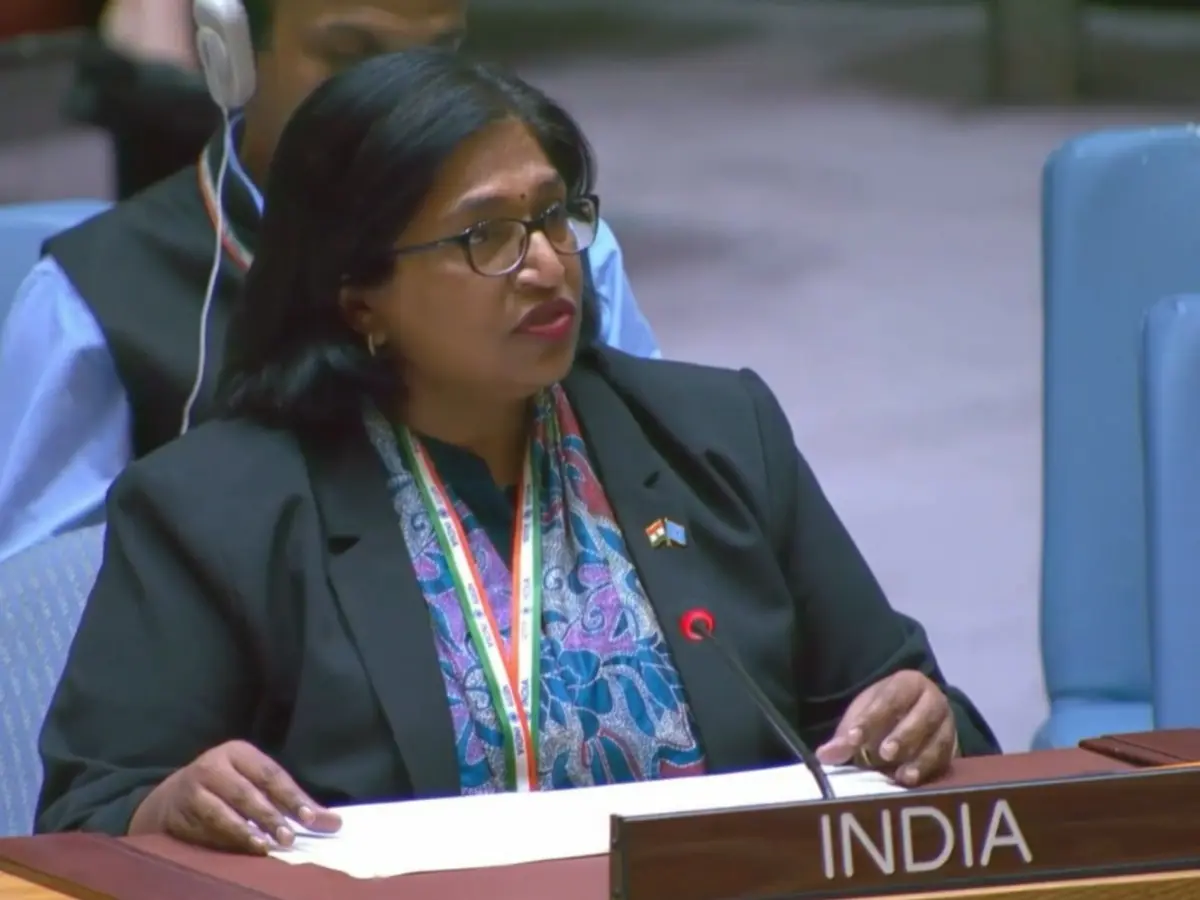
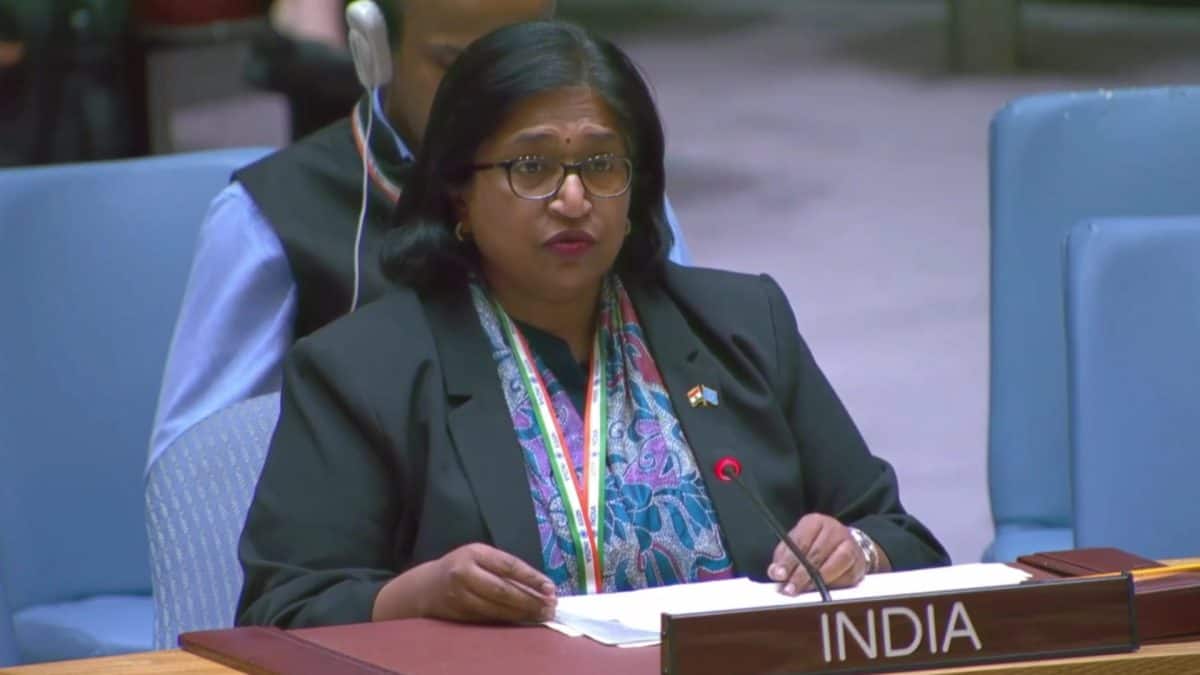
Yojna Patel called for objective criteria, evidence and greater transparency in terrorist listing and delisting decisions.
India criticised opaque sanctions procedures, including proposals placed on technical hold or rejected without adequate explanation.
India urged the Council to promptly appoint chairs and vice-chairs for subsidiary bodies after eight months of delay in 2026.
India sought expanded permanent and non-permanent membership, stronger Global South representation and equal document access for elected members.
- Who
- India, represented by Yojna Patel, Chargé d’Affaires of India’s Permanent Mission to the United Nations.
- What
- India called for Security Council reform, transparent sanctions decisions, equal access for elected members and faster appointment of subsidiary-body chairs.
- Where
- At a United Nations Security Council open debate on working methods.
- When
- Wednesday, August 20, 2026, according to the reports.
- Why
- India said the Council’s structure and procedures should reflect current global realities and prevent political considerations from determining terrorism-related sanctions decisions.
India’s Reform Position
Positions and Practices Challenging Reform
Terrorist designations
India’s Reform Position
India says listing and delisting must rely on objective criteria, evidence and supporting documents, rather than political considerations.
Positions and Practices Challenging Reform
The reports describe competing accusations and disputes: India says China has blocked or delayed proposals involving Pakistan-based terrorists, while another report says Pakistan and China unsuccessfully sought sanctions against the Baloch Liberation Army and Majeed Brigade, opposed by the United States, France and the United Kingdom.
Council membership
India’s Reform Position
India wants both permanent and non-permanent categories expanded, with greater representation for developing countries and the Global South.
Positions and Practices Challenging Reform
India says the existing structure remains rooted in the outcome of a conflict 80 years ago and cannot indefinitely determine the Council’s composition and working methods.
Working methods
India’s Reform Position
India wants equal document access, greater influence for elected members and the General Assembly, and timely appointments to subsidiary bodies.
Positions and Practices Challenging Reform
Reported delays in appointing chairs and restricted access to some records have limited the effectiveness and influence of elected members, according to India and statements cited from Denmark and Japan.
Key facts
- Speaker
- Yojna Patel, Chargé d’Affaires of India’s Permanent Mission to the United Nations.
- Council composition
- The Security Council has 15 members, including five permanent members with veto powers: China, France, Russia, the United Kingdom and the United States.
- Listing standards
- India requested objective criteria, supporting documentation, evidence and greater transparency for terrorist listing and delisting decisions.
- Subsidiary-body appointments
- Eight months into 2026, chairs and vice-chairs of the Council’s subsidiary bodies had not been finalised, according to the reports.
- Membership reform
- India called for expansion of both permanent and non-permanent membership, with stronger representation for the Global South.
- Working methods
- India sought equal access to documents, including historical records, and a greater role for elected members and the General Assembly.
- Negotiation process
- India said membership reforms should proceed through text-based negotiations with defined milestones and timelines.
- Peacekeeping participation
- India said countries contributing troops and police should help shape decisions on peacekeeping mandates and resources.
Quotes
Ambassador Yojna Patel
India’s Chargé d’Affaires to the UN
“Security Council membership brings significant responsibilities. This must not become a platform to pursue narrow political interests. Listing and de-listing are a case in point. There must be more transparency and objectivity on this front. Presence in the Security Council must not be instrumentalised to legitimise terrorists by attempting to de-list them or to list other entities as terrorist organisations based solely on political considerations, without any objective criteria or supporting …”
 telegraphindia.com
 theprint.in
 thehansindia.com
 wionews.com
 firstpost.com
“"The world of 1945 has changed beyond recognition. UN membership has grown fourfold since then. The outcome of one conflict 80 years ago cannot determine the composition, dynamics, approaches and working methods for perpetuity. This needs to change and must happen at the earliest."”
firstpost.com
Sources
India warns against using UNSC membership to legitimise terrorists - Telegraph India

UNSC membership must not be used to ‘legitimise’ terrorists: India
UNSC must not be used to legitimise terrorists by de-listing them: India
India calls for greater transparency in UN Security Council terror listings
UNSC shouldn't be used to 'legitimise' or 'de-list' terrorists: India pushes for reforms
Related news
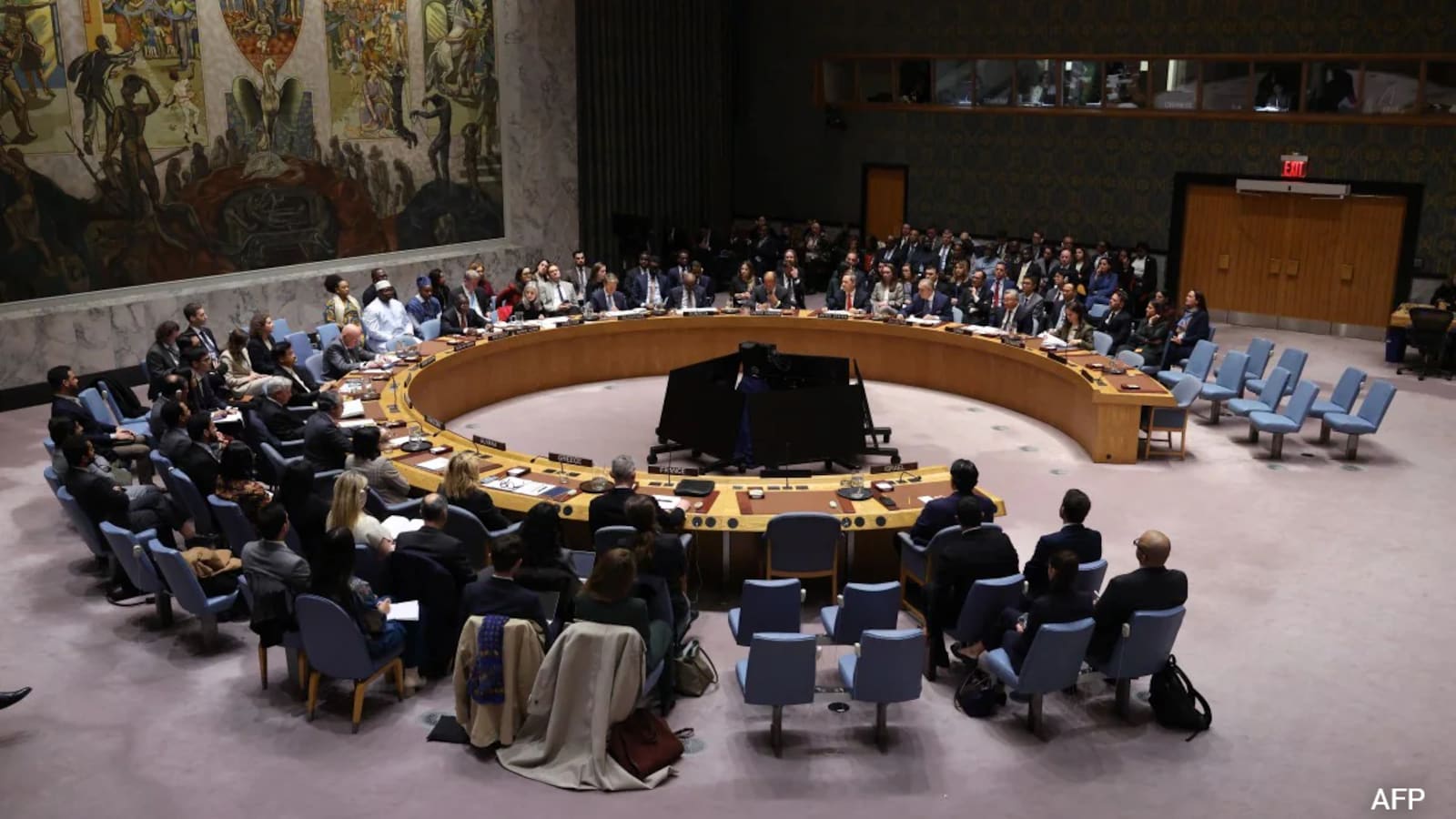
India Urges Comprehensive UN Security Council Reform, Global South Representation

India's permanent UNSC seat bid remains top priority, government says
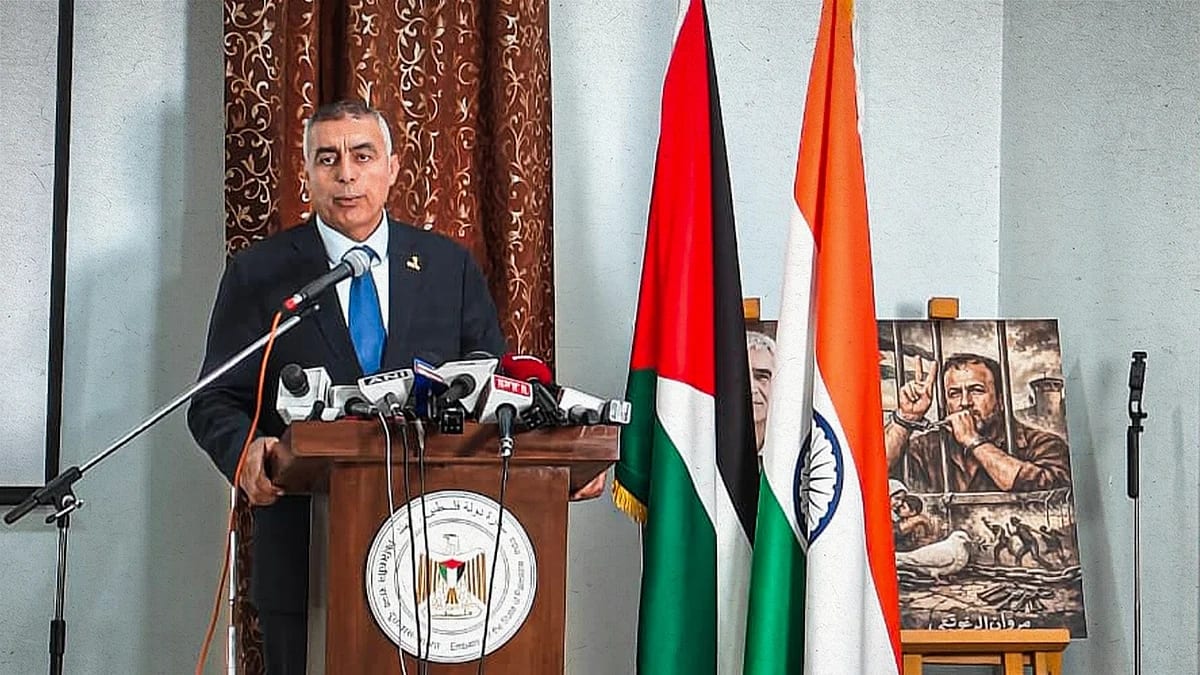
Palestine Backs India’s UN Bid, Seeks Gaza Peace Role
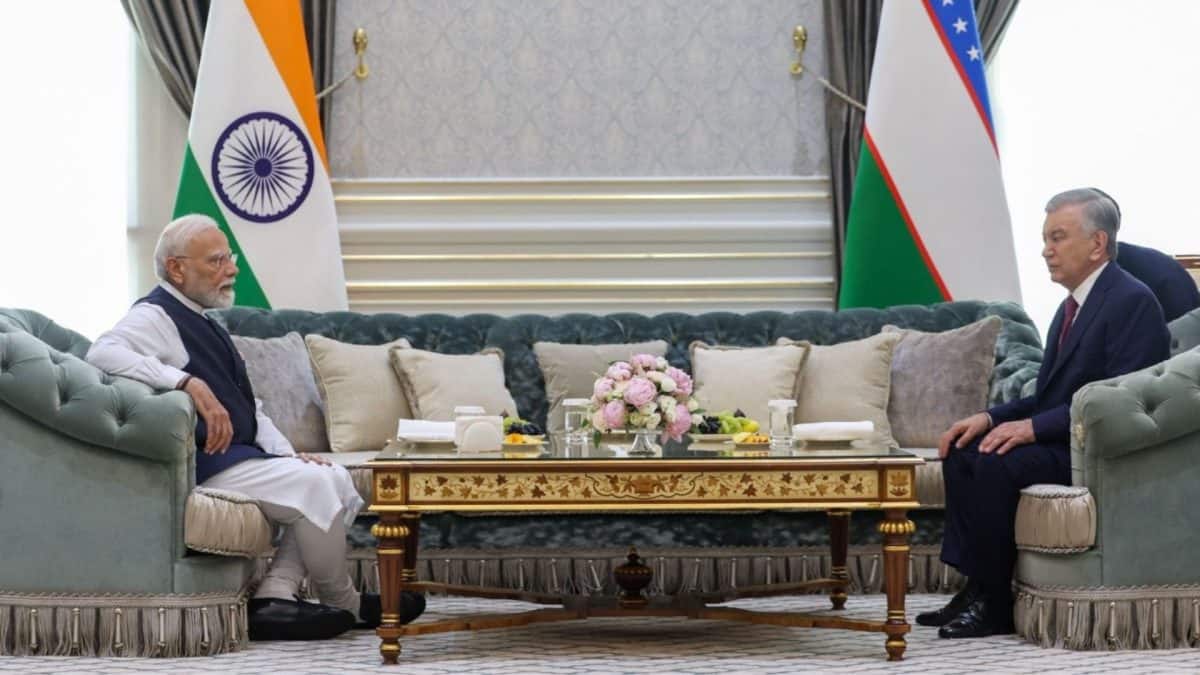
India, Uzbekistan Upgrade Ties, Advance Trade and Security Cooperation
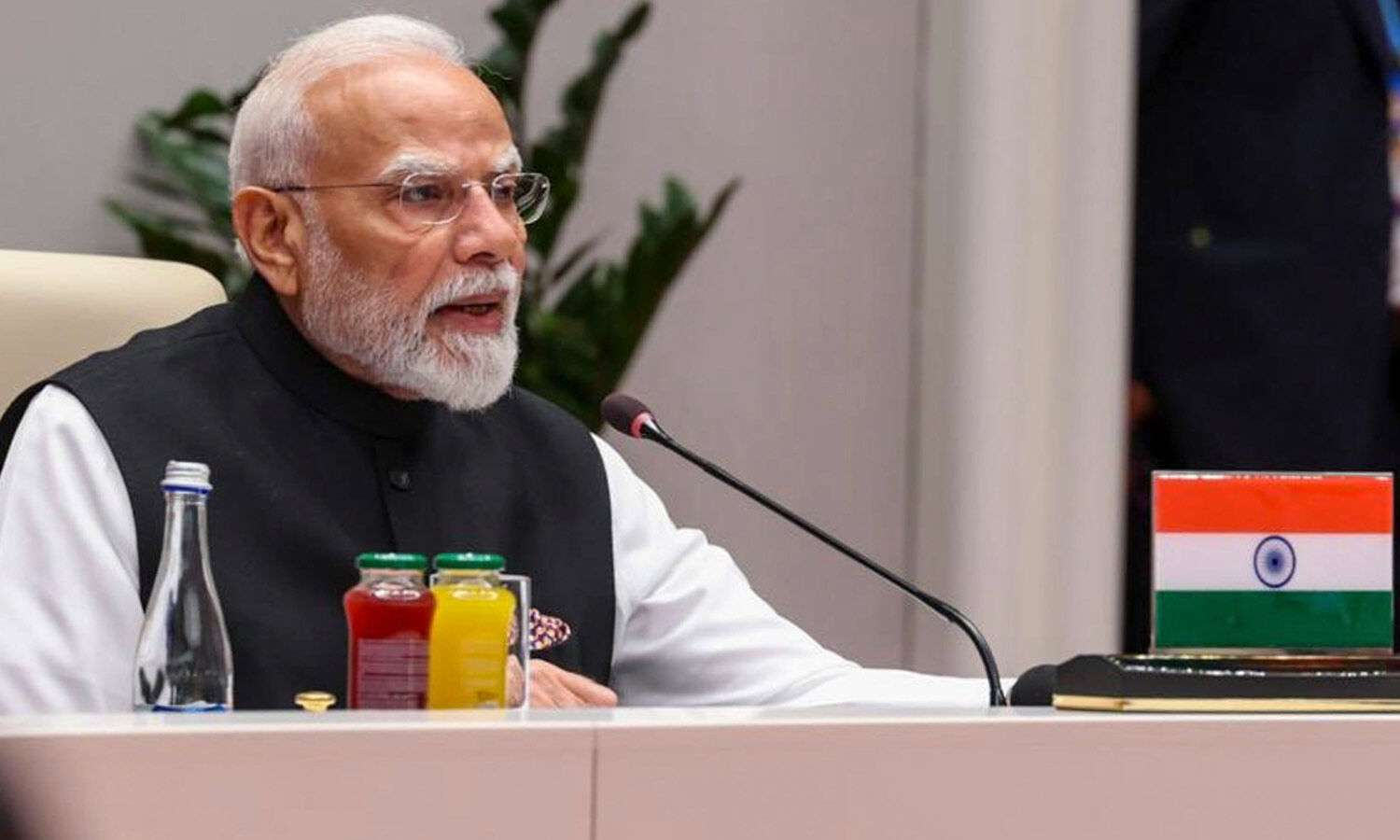
Modi Urges SCO to Reject Terrorism as State Policy
SCO Declaration Rejects Terrorism Double Standards, Condemns Iran Strikes
Denmark Sends Conscripts to Greenland as Arctic Tensions Rise
Denmark Delegation Discusses Future Power Grid Development in Amaravati
India and Denmark Deepen MSME Innovation, IP Cooperation

UK Student Dependent Ban Reshapes Family Study-Abroad Choices
Denmark Tops Global Women’s Peace and Security Index