

Archive · 7 Nov 2025
Assam CM's Decision to Release Nellie Massacre Report Questioned
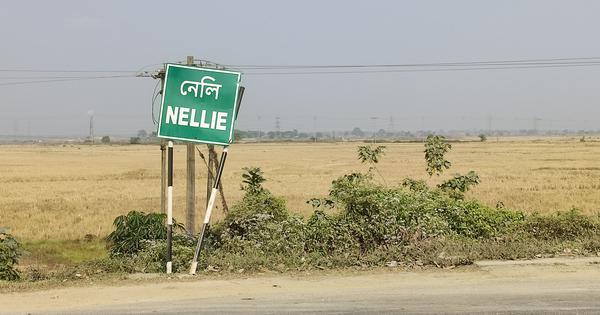
Imagine a very sad event happened many years ago in Assam, India, where many people were killed.
A special group looked into why it happened and wrote a report.
For a long time, no one shared this report.
Recently, the leader of Assam said they will finally share the report.
But some people are asking why now, especially because elections are coming soon.
They think it might be to distract people from other problems or to make one political party look bad.
The government says they didn't share it before because of a small problem with the paper, but they checked it and it's real.
People who lost family in the event are worried and don't think sharing the report will bring them justice, as no one has been punished.
They also say they received very little help, unlike others who lost loved ones in different events.

The Assam government plans to table the Tewary Commission report on the 1983 Nellie massacre in the upcoming Assembly session.
Victims and observers question the timing of the report's release, linking it to upcoming elections and other public protests.
The Nellie massacre, which occurred on February 18, 1983, resulted in an estimated 1,800 deaths of Bengali Muslim peasants.
The Tewary Commission submitted its report in 1984 but it was never made public until now.
Survivors and critics argue that justice has not been served, with no one punished for the killings and inadequate compensation provided to victims.
- Who
- Assam Chief Minister Himanta Biswa Sarma, victims of the Nellie massacre, observers, former legislators, scholars.
- What
- The Assam government's decision to table the report of the Tewary Commission, formed to investigate the 1983 Nellie massacre, is being questioned due to its timing and perceived political motives.
- When
- The Nellie massacre occurred on February 18, 1983. The announcement to table the report was made in October, ahead of the November Assembly session.
- Where
- Nellie, Morigaon district, Assam, India.
- Why
- Critics suspect the report's release is politically motivated, aimed at influencing upcoming assembly elections, diverting attention from other public protests, and potentially alienating the Muslim community from the Congress party. The government cites procedural issues as the reason for the delay.
Victims and Critics
Assam Government
Timing of Report Release
Victims and Critics
Victims and observers are suspicious of the timing, linking it to upcoming assembly elections and an attempt to divert attention from other protests, questioning why the report wasn't released earlier by previous governments.
Assam Government
The Chief Minister stated the report was not tabled earlier due to issues with the signature of the Commission's chairman, but its authenticity has been confirmed through forensic tests and interviews.
Authenticity and Legal Standing of the Report
Victims and Critics
Some claim the report was already tabled, while others argue an unsigned report is legally insignificant and might be used to downplay the massacre's political context.
Assam Government
The government asserts the report's authenticity has been verified and implies its eventual tabling will address the situation.
Justice and Compensation for Victims
Victims and Critics
Victims feel they have received minimal compensation compared to other groups and have not seen justice, with all cases related to the Nellie incident being closed by a previous government.
Assam Government
While the articles do not detail the government's stance on ongoing justice or compensation, the focus is on the release of the report.
- Date of Nellie Massacre
- February 18, 1983
- Estimated Deaths
- 1,800 Bengali Muslims
- Commission Formed
- July 1983
- Commission Head
- Tribhuvan Prasad Tewary
- Report Submission
- May 1984
- Assam Movement Period
- 1979-1985
- Cases Filed for Nellie Incident
- 688