

Archive · 2 Sep 2026
US-Iran Conflict Escalates After Iranian Missile and Drone Retaliation
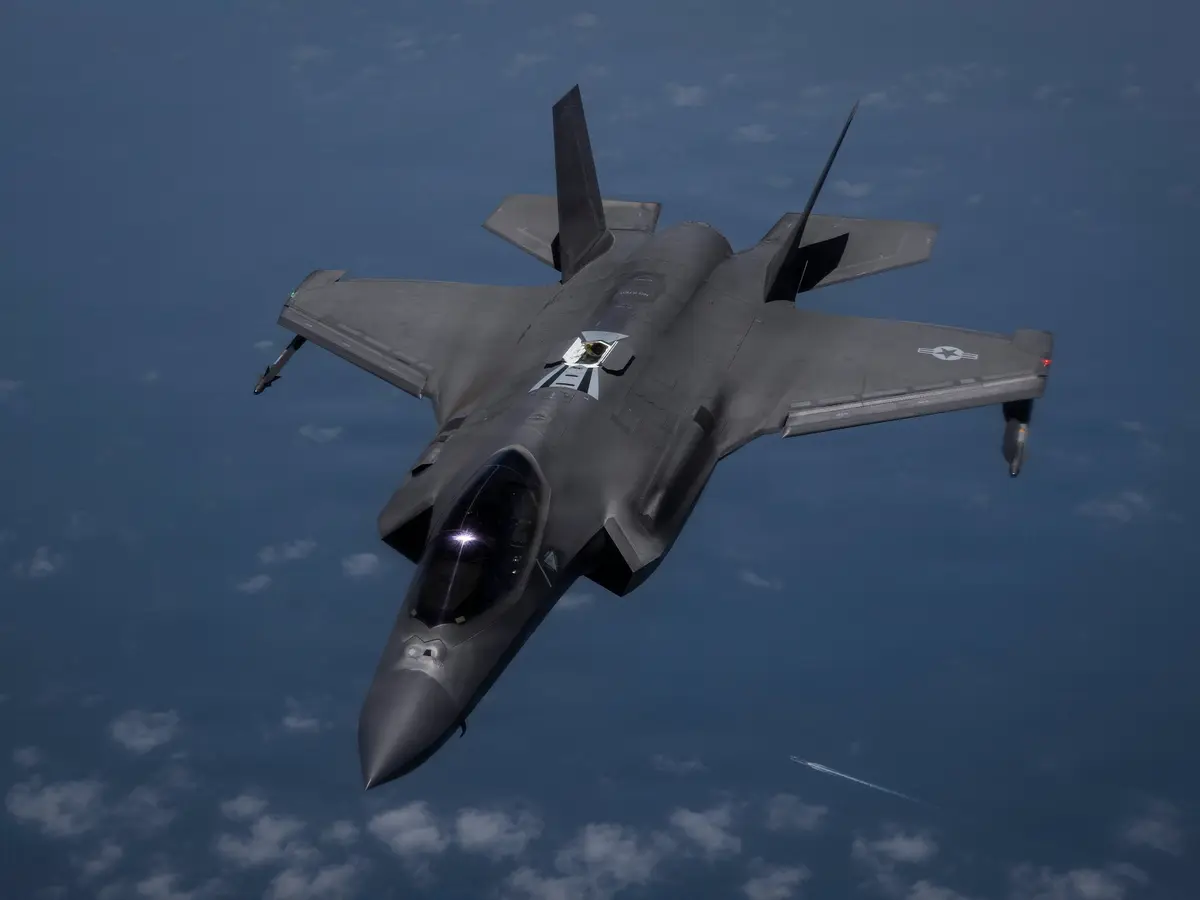
The United States and Iran exchanged attacks on Tuesday, September 1.
The United States said it struck Iranian military targets near the Strait of Hormuz.
American officials said the strikes were meant to stop threats to ships and US personnel.
Iran then said it launched missiles and drones at American bases in the region.
Iranian officials also said an American strike hit a wedding and caused deaths and injuries.
The United States described its attacks as limited and precise.
President Donald Trump warned that another Iranian attack would bring an even stronger response.
Iran said it would make the United States regret the strikes.
The fighting also raised concerns about oil prices and the future of a ceasefire.

Iran launched missiles and drones at US bases and interests after fresh American strikes on IRGC targets in southern Iran.
US Central Command said the strikes were limited and precise, citing alleged Iranian preparations to place mines near the Strait of Hormuz.
Iranian officials said a US strike hit a wedding in Kuhestak, killing four people and injuring more than 50, including a child.
President Donald Trump warned Iran it would face a much harder attack if it retaliated, while Iran threatened severe or devastating punishment.
The renewed fighting pushed oil prices higher and further weakened prospects for restoring a June ceasefire and negotiations.
- Who
- The United States, Iran, the Islamic Revolutionary Guard Corps, and President Donald Trump were involved.
- What
- Iran launched missiles and drones after the United States conducted fresh strikes against Iranian targets.
- When
- The exchange of fire occurred on Tuesday, September 1, after US strikes began at 12 p.m. Eastern Time, or 16:00 GMT.
- Where
- The strikes involved southern Iran, the Strait of Hormuz, US bases in the region, and reported explosions over Aqaba, Jordan.
- Why
- The United States said it was responding to attempted attacks on commercial shipping, alleged Iranian preparations to lay sea mines, and attacks against American personnel; Iran described the US action as aggression and retaliation was its stated response.
United States Position
Iranian Position
Reason for the strikes
United States Position
The United States said it conducted limited, precise attacks on IRGC forces involved in alleged preparations to lay sea mines and following threats to commercial shipping and US personnel.
Iranian Position
Iranian officials described the US attacks as blind or desperate aggression targeting multiple locations, including areas they said were civilian.
Reported strike on Kuhestak
United States Position
US accounts in the articles did not confirm the reported civilian casualties or characterize the strike as an attack on a wedding.
Iranian Position
Iranian officials and the Iranian Red Crescent said a US missile hit a residential building during a wedding, killing four people and wounding more than 50.
Next steps
United States Position
Donald Trump warned that further Iranian retaliation would trigger a much harder US attack and said Tehran had been given many chances for an agreement.
Iranian Position
Iran's IRGC and military command vowed severe, crushing, or devastating blows against the United States and said the attacks had strengthened their resolve around the Strait of Hormuz.
- US operation
- US Central Command said American forces struck Islamic Revolutionary Guard Corps targets in Iran.
- Iranian response
- Iranian media and the IRGC reported missile and drone attacks against US bases and interests across the region.
- Reported civilian casualties
- Iranian officials and the Iranian Red Crescent said a strike on a wedding in Kuhestak killed four people and wounded more than 50, including a child.
- US justification
- Washington said the strikes followed alleged IRGC attempts to threaten commercial shipping and place mines near the Strait of Hormuz.
- Trump warning
- Donald Trump said Iran would be hit at a much harder and higher level if it retaliated.
- Strait of Hormuz
- The waterway normally carries about 20% of the world's oil and has become the central point of military tension.
- Ceasefire status
- Iranian President Masoud Pezeshkian said Tehran could return to an interim ceasefire if Washington resumed its commitments, but renewed fighting threatened that possibility.
- Oil prices
- Crude prices rose about 7% during the week before Tuesday's strikes and more than 50% during the year.
