

Archive · 26 Jul 2026
Modi Government Capitulates to Youth Protests
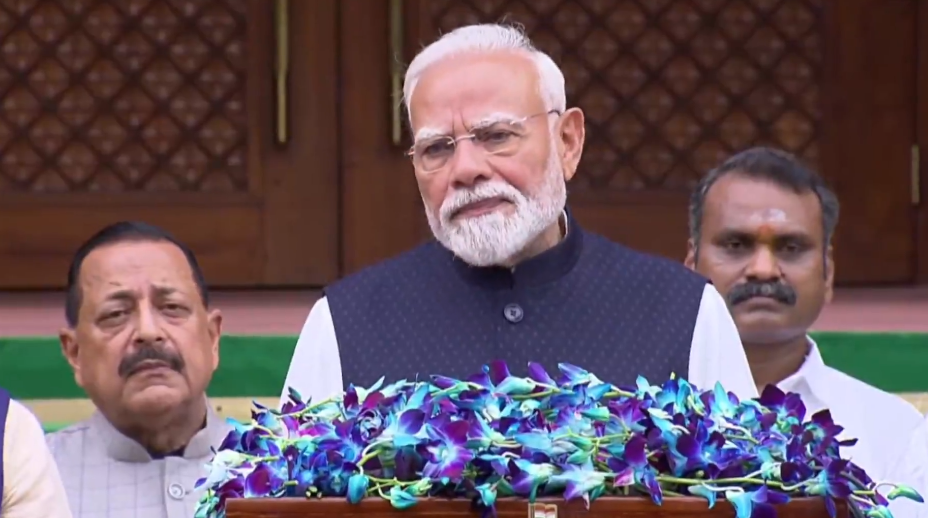
Prime Minister Narendra Modi faced a significant protest by young people led by the Cockroach Janata Party (CJP).
The protesters demanded changes in the educational system, which they said was unfair and too focused on exams.
The government first tried to stop the protests using force, but this made more people support the protesters.
The government then changed its mind and agreed to the protesters' demands, including the resignation of the education minister.
The protesters want more changes, and the government has promised to discuss these changes.
The protests showed that even the prime minister can be forced to listen to the people's demands.

A 36-day protest by young people led by the Cockroach Janata Party (CJP) forced Prime Minister Narendra Modi to capitulate and accept their demands.
The protesters demanded structural changes in the educational testing system, addressing issues of over-centralization, unequal access, and the proliferation of coaching centers.
The government initially responded with confrontation, using force against the protesters, but later engaged in negotiations and promised to discuss reforms.
The resignation of the education minister, Dharmendra Pradhan, was a significant outcome of the protests.
The protests have set a precedent for future mass protests and may impact the Modi government's political strategy for upcoming elections.
- Who
- Prime Minister Narendra Modi and the youth protesters led by the Cockroach Janata Party (CJP)
- What
- A 36-day protest by youngsters forced the Modi government to capitulate and accept their demands for educational reforms.
- When
- The protests lasted for 36 days, with the government's capitulation marking a significant event in the timeline.
- Where
- The protests took place in India, with significant political and social implications.
- Why
- The protesters demanded structural changes in the educational testing system, addressing issues of over-centralization, unequal access, and the proliferation of coaching centers. The government initially resisted but eventually capitulated to avoid further political damage and to retain the youth voter base.
Protesters' Perspective
Government's Perspective
Use of Force
Protesters' Perspective
The protesters condemned the government's use of pellet guns and tasers against unarmed, peaceful young demonstrators.
Government's Perspective
The government initially justified the use of force to maintain law and order.
Government's Response
Protesters' Perspective
The protesters saw the government's initial response as confrontational and repressive, but welcomed the eventual capitulation and dialogue.
Government's Perspective
The government initially viewed the protests as a conspiracy and a threat to its authority, but later engaged in negotiations to address the demands.
Systemic Changes
Protesters' Perspective
The protesters demand structural reforms in the educational testing system to address over-centralization, unequal access, and the proliferation of coaching centers.
Government's Perspective
The government has promised to discuss the five-point reform agenda but may face challenges in implementing meaningful changes.
- Prime Minister
- Narendra Modi
- Protest Duration
- 36 days
- Protest Leaders
- Cockroach Janata Party (CJP)
- Education Minister
- Dharmendra Pradhan (resigned)
- Key Demands
- Structural changes in educational testing system
- Government's Initial Response
- Confrontational, accused protesters of being 'B-Team of terrorists'
- Government's Final Response
- Capitulation, resignation of education minister, promise to discuss reforms
- Potential Impact
- Inspiration for future protests, potential shift in youth voter base