

Archive · 22 Jul 2026
Invisible backbone - workers at IIM Lucknow
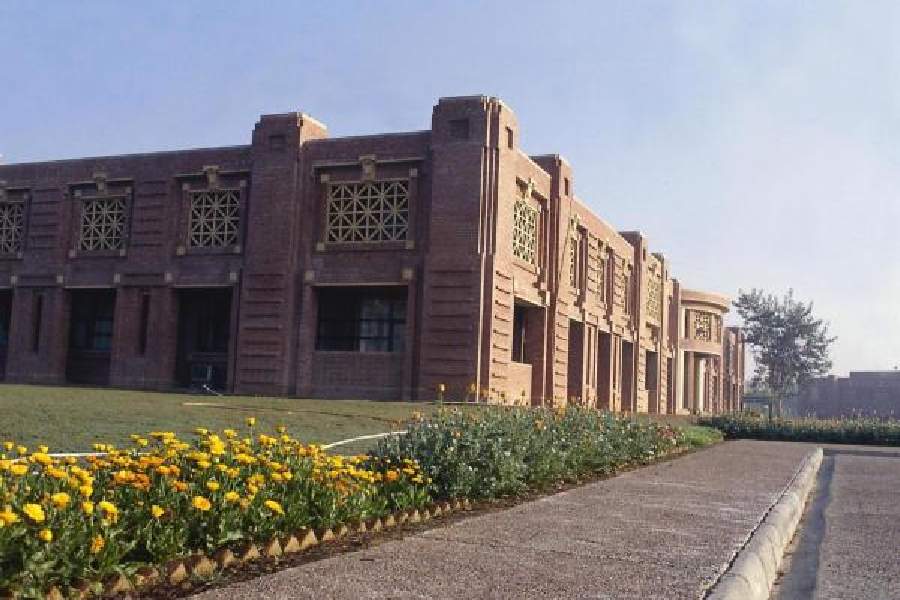
IIM Lucknow is known for its prestigious business management programs and high-paying job placements.
However, behind the scenes, there are many workers who play a crucial role in keeping the campus running smoothly.
These workers include mess staff who prepare thousands of meals each day, housekeeping staff who maintain hygiene, and security personnel who safeguard the campus.
They form the invisible backbone of IIM Lucknow's operations.
The mess, for example, operates on principles of effective scheduling, efficient operations, and economies of scale, providing four meals to over a thousand students daily.
The workers' primary motivation is to meet the financial needs of their families back home.
Many of these workers come from rural backgrounds and have transitioned from subsistence agriculture to formal employment.
They enjoy benefits such as job security, social security benefits like EPF, fixed working hours, and paid leave.
A survey conducted among the workers revealed that their wages are significantly higher than what they would earn back home.
This transition has allowed them to save money and admit their children to private colleges, marking an upward movement in their socio-economic status.
The insights from these workers provide important lessons for future managers about creating inclusive ecosystems and valuing the workforce.
As students graduate and move into leadership roles, they carry the opportunity to shape institutions and frame policies that make workplaces innovative, happier, and more sustainable.

Workers at IIM Lucknow, including mess staff, housekeeping, and security personnel, form the invisible backbone of the campus operations.
The Annapoorna Mess provides four meals to over a thousand students daily, operating on principles of effective scheduling and efficient operations.
Workers' primary motivation is to meet the financial needs of their families back home.
Many workers come from rural backgrounds and have transitioned from subsistence agriculture to formal employment, enjoying benefits like job security and social security.
A survey revealed that workers' wages are significantly higher than what they would earn back home, allowing them to save money and admit their children to private colleges.
- Who
- Workers at IIM Lucknow, including mess staff, housekeeping, and security personnel
- What
- The essential roles and contributions of these workers in maintaining the smooth operation of IIM Lucknow
- When
- Throughout the academic calendar
- Where
- IIM Lucknow campus
- Why
- To meet the financial needs of their families and to transition from subsistence agriculture to formal employment
Economic Benefits
Challenges and Barriers
Job Security and Benefits
Economic Benefits
Workers at IIM Lucknow enjoy job security, social security benefits like EPF, fixed working hours, and paid leave, which are significant improvements over their previous employment conditions.
Challenges and Barriers
Despite these benefits, workers from rural backgrounds face multiple barriers to entering the formal sector, including uncertain income, lack of social security, and non-implementation of formal laws.
Economic Migration
Economic Benefits
The IIM Lucknow campus mirrors rural-urban migration driven by economic, social, and personal factors, providing workers with higher wages and better working conditions than they would have in their home regions.
Challenges and Barriers
The phenomenon of 'jobless growth' in the Indian economy makes it difficult for unskilled rural laborers to find any type of job, highlighting the challenges they face in transitioning to formal employment.
- Institution
- IIM Lucknow
- Workers' Roles
- Mess staff, housekeeping, security personnel
- Meals Provided Daily
- Four meals to over a thousand students
- Workers' Motivation
- Meeting financial needs of families back home
- Benefits for Workers
- Job security, social security benefits, fixed working hours, paid leave
- Economic Impact
- Transition from subsistence agriculture to formal employment
- Survey Findings
- Workers save money and admit children to private colleges
- Management Lessons
- Creating inclusive ecosystems, equitable growth opportunities, valuing workforce