

Archive · 10 Oct 2026
Blue Wave or Tsunami Could Reshape Trump's Final Years
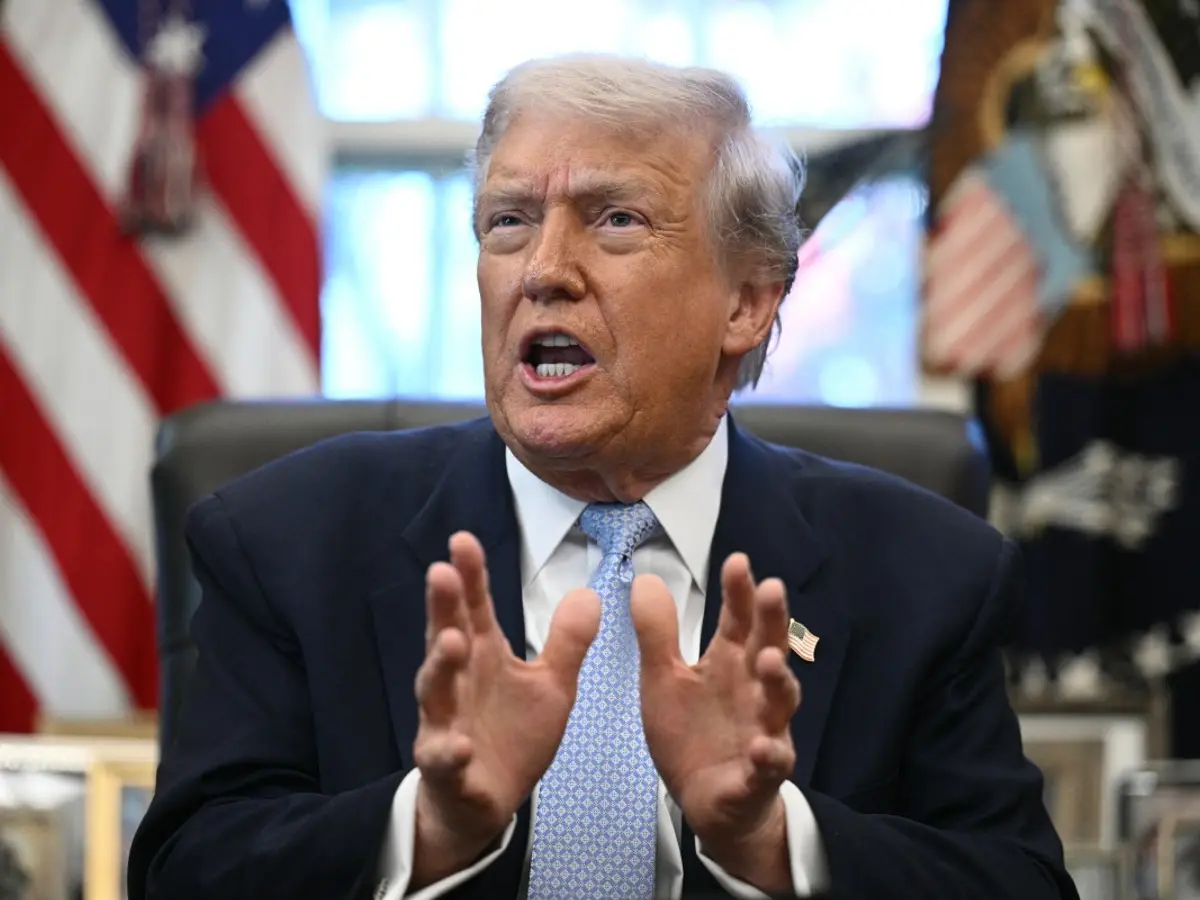
The United States will hold midterm elections on November 3, 2026.
Voters will choose all members of the House of Representatives and 35 senators.
Democrats may win enough seats to change which party controls Congress.
A “blue wave” means Democrats make large gains.
A “blue tsunami” means those gains are much bigger than expected.
Neither phrase has an official number of seats attached to it.
If Democrats take control of the House, they could block some Republican bills and investigate the administration.
If they win both chambers, Republicans could face an even bigger challenge.
The economy and the cost of living may influence voters, along with local candidates and issues.

The 2026 US midterm elections will take place on November 3.
All 435 House seats and 35 Senate seats are up for election.
A “blue wave” means substantial Democratic gains, but has no fixed numerical definition.
A “blue tsunami” describes a larger-than-expected Democratic swing that could put safe Republican seats at risk.
If Democrats gain control of Congress, they could challenge Trump's agenda, block legislation, and scrutinise his administration.
- Who
- Democrats and Republicans, including President Donald Trump.
- What
- The 2026 midterm elections will determine control of the House and could change the balance of power in Congress.
- When
- November 3, 2026.
- Where
- The United States.
- Why
- The results will determine whether Republicans retain control of Congress or Democrats gain greater power to challenge the president's agenda.
- Election date
- November 3, 2026
- House seats contested
- All 435
- Senate seats contested
- 35
- Blue wave
- Significant Democratic gains; no fixed numerical definition
- Blue tsunami
- A much larger-than-expected Democratic swing; no official seat threshold
- Potential effect of Democratic House control
- Democrats could block Republican legislation, scrutinise the administration, and launch congressional investigations
- Issues mentioned
- The economy, cost of living, local candidates, and local issues