

Archive · 4 Oct 2025
Black Mold on Onions: Safety Concerns and Expert Advice
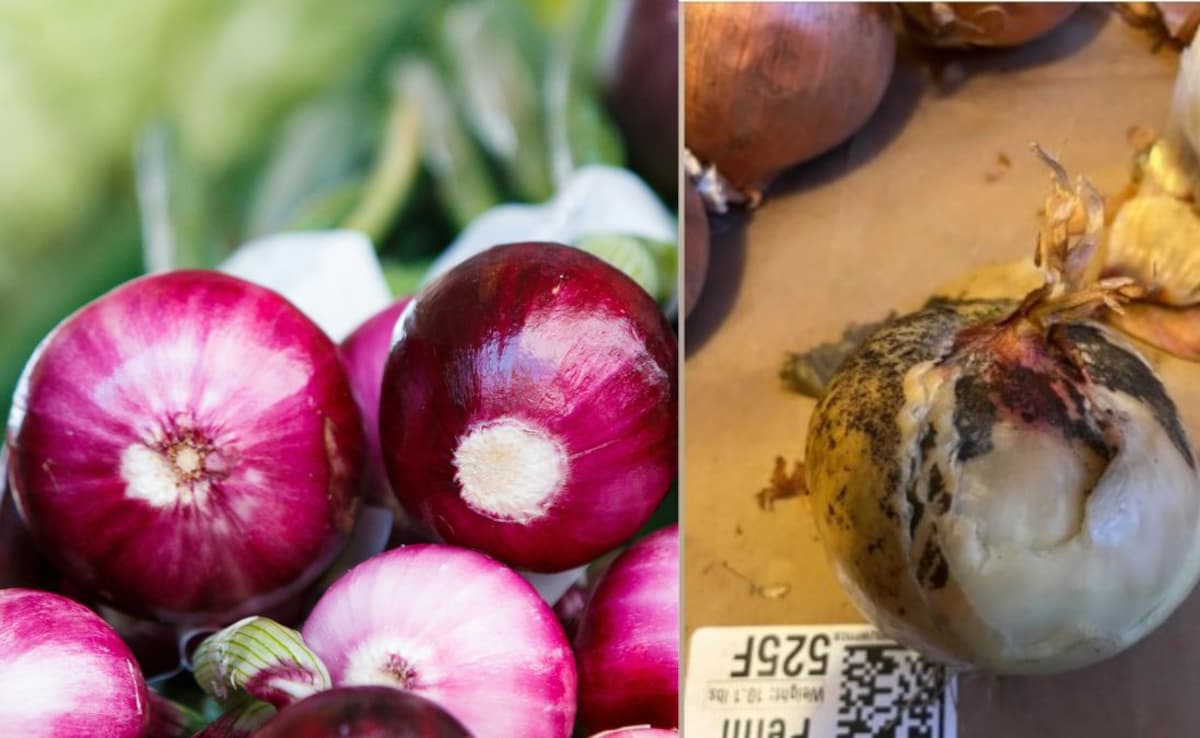
Lately, you might have noticed onions covered in a black dust.
That dust is actually a mold called Aspergillus niger.
It's a fungus that likes warm, moist places.
This mold can produce a harmful substance.
Experts say to be careful when buying onions with this mold.
It's best to throw them out if the mold is widespread or if it smells bad.
You should store your onions in a cool, dry place with good air flow, and avoid buying too many at once.
Always wash your hands and cutting boards after handling these onions to prevent spread.

Black mold (Aspergillus niger) is showing up more frequently on onions.
The black powder is a sign of spoilage.
The mold produces mycotoxins which may cause kidney problems.
Poor storage conditions contribute to mold growth.
Experts recommend caution: discard heavily affected onions.
- Who
- Experts including doctors and dietitians.
- What
- Black mold (Aspergillus niger) on onions
- When
- Increasing recently.
- Where
- Markets, online deliveries, and homes.
- Why
- Due to humid weather, poor ventilation and storage conditions.
Advice
Viewpoint
Is It Safe to Eat?
Advice
Discard onions with widespread black mold; wash if a small amount is present.
Viewpoint
Black mold on onions can introduce mycotoxins, which may lead to liver stress, dysfunction and respiratory issues.
- Cause
- Fungus Aspergillus niger
- Harmful Substance
- Mycotoxin (Ochratoxin A)
- Affected Onions
- More common now due to storage conditions.
- Symptoms
- Black mold/powder, potentially harmful to kidneys with long-term exposure.
- Preventive Measures
- Proper storage, avoid buying in bulk, wash hands/boards