

Archive · 23 Sep 2026
Trump Backs Possible Diesel Export Ban as Prices Hit Records
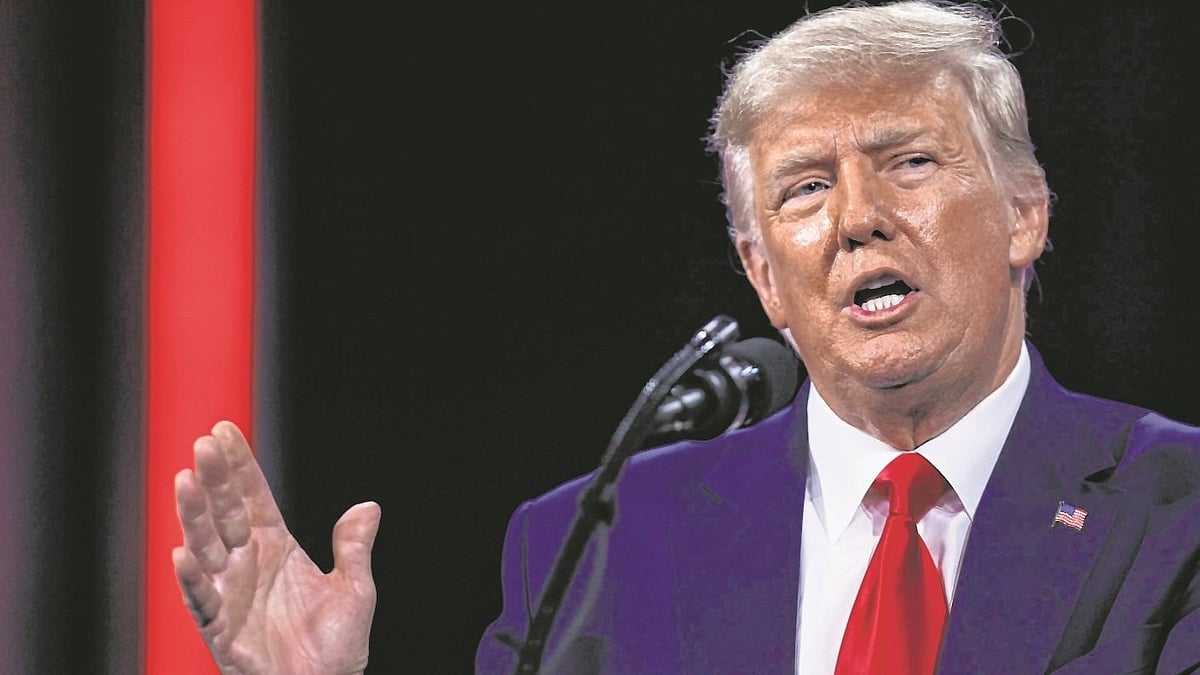
President Donald Trump said the United States may stop exporting some diesel fuel.
Diesel is used by trucks, farms, businesses and other vehicles.
Prices have risen sharply in the United States and Europe.
The reports connect the disruption to conflicts involving Iran and Ukraine, attacks on Russian refineries, and reduced shipping through the Strait of Hormuz.
Treasury Secretary Scott Bessent said officials are studying whether a complete or partial ban could work.
Some Republican candidates want the ban to lower costs for Americans before the midterm elections.
Energy industry representatives disagree and say the plan might create shortages or higher prices later.
Trump discussed the issue with Ukrainian President Volodymyr Zelenskyy.
They were also expected to discuss attacks on Russian energy facilities and efforts to end the war in Ukraine.

President Donald Trump said he supports considering a ban on United States diesel exports.
Treasury Secretary Scott Bessent said officials were assessing whether a full or partial ban was feasible.
Diesel prices in the United States and Europe have reached record highs amid disrupted fuel flows.
Some Republican Senate candidates support an export ban to reduce costs ahead of the November 3 midterm elections.
Energy industry representatives warn that restricting exports could provide limited relief while causing later supply shortages and higher prices.
- Who
- President Donald Trump, Treasury Secretary Scott Bessent, some Republican Senate candidates, energy industry representatives, and Ukrainian President Volodymyr Zelenskyy.
- What
- The Trump administration is considering a full or partial ban on United States diesel exports as fuel prices rise.
- When
- The comments were reported on Tuesday, September 22; the political pressure came ahead of the November 3 midterm elections.
- Where
- Trump discussed the proposal at the United Nations while meeting Volodymyr Zelenskyy; the price effects concern the United States and Europe.
- Why
- Supporters want to reduce high domestic energy costs, while industry representatives warn that restrictions could create supply problems and higher prices later.
Supporters of Export Restrictions
Critics of Export Restrictions
Effect on domestic prices
Supporters of Export Restrictions
Trump and some Republican Senate candidates say limiting exports could help alleviate high diesel and energy costs for Americans.
Critics of Export Restrictions
Energy industry representatives say restrictions may provide limited short-term relief and could lead to higher prices later.
Supply and international markets
Supporters of Export Restrictions
Supporters argue that retaining more diesel in the United States could address domestic concerns as prices rise.
Critics of Export Restrictions
Critics warn that buyers in Latin America and Europe would need alternative supplies, potentially worsening inflation and creating supply challenges.
Policy implementation
Supporters of Export Restrictions
The proposal could involve a complete or partial export ban, depending on refining capacity and market conditions.
Critics of Export Restrictions
Administration officials have not established that the ban is feasible; Scott Bessent said the issue remains under examination.
- Proposed measure
- A possible United States ban on diesel exports, either fully or partially.
- Trump's position
- Trump said he supported the idea and had raised it with his advisers.
- Administration review
- Scott Bessent said officials were examining feasibility, refining capacity and market effects.
- Diesel prices
- Average United States retail diesel prices recently exceeded $6.50 per gallon, while prices in the United States and Europe reached record highs.
- United States exports
- United States diesel exports reached nearly 2 million barrels per day last month, according to the report.
- Market disruptions
- The reports cite reduced flows through the Strait of Hormuz and attacks on Russian refineries.
- Political timing
- Some Republican Senate candidates backed the proposal before the November 3 midterm elections.
