

Archive · 24 Jul 2025
Indian Gen Z Creates Own Language Combining Multiple Dialects
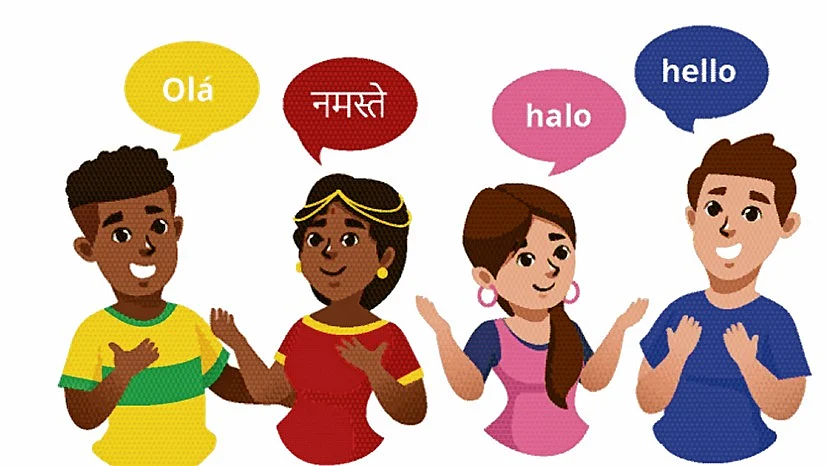
Imagine if you mixed English with Hindi or Tamil!
That's what many young people in India are doing.
They're creating new ways of speaking called Hinglish, Tanglish, etc. It's like a mix-and-match language that makes it easier to talk and feel connected.
Some people worry that this might make the original languages less pure.
But others believe it's a cool way for language to change and grow.
It's like a new style of speaking that makes conversation more fun and is used especially on social media and in technology.
Everyone is free to communicate in their own way, even if it's not perfect.
This hybridity promotes accessibility, especially among younger audiences who may not be fluent in classical or formal versions of their native language.

India's Gen Z is creating hybrid languages like Hinglish, Tanglish, and Marlish.
These languages blend Hindi, English, and regional languages to reflect modern Indian life.
Supporters see this as a natural evolution, making communication easier in a digital world.
Critics express concerns about losing touch with formal languages and grammatical standards.
Experts suggest balancing hybrid communication with respect for traditional language forms.
- Who
- Primarily, Gen Z and younger Indians.
- What
- A new hybrid language that combines Hindi, English, and regional languages is emerging among Indian youth.
- When
- This linguistic phenomenon is occurring in modern India, with the rise of technology and digital communication.
- Where
- It is most prevalent in urban areas across India and is spreading to smaller towns.
- Why
- To facilitate communication, reflect a changing cultural landscape, and adapt to a digital world.
Supporters of Hybrid Languages
Critics of Hybrid Languages
Ease vs. Purity
Supporters of Hybrid Languages
Fusion languages promote easy communication.
Critics of Hybrid Languages
Concerns of the critics, such as decline in language purity.
Accessibility vs. Tradition
Supporters of Hybrid Languages
Technology helps people connect.
Critics of Hybrid Languages
Language policy must adapt by recognizing hybridity
- Hybrid Languages
- Hinglish, Tanglish, Marlish
- Main Users
- Gen Z and younger Indians
- Influence
- Social Media, AI tools, OTT content
- View of supporters
- Organic evolution of languages
- View of critics
- Language purity loss
- Technology adaption
- AI tools are being trained in mixed-language data