

Archive · 16 Aug 2025
Global Purchasing Power: What Does $1 Buy Around the World?
Imagine you have a dollar.
In some countries, like India and Vietnam, that dollar can buy you a whole meal!
But in places like the US and Switzerland, it doesn't go very far.
This is because the cost of things is different everywhere.
Economists use something called Purchasing Power Parity, or PPP, to figure out how much stuff you can buy with your money in different countries.
India is a big economy when you look at PPP, even if people don't earn as much money as in the US.
This means your dollar can buy more in India, making things feel more affordable.

Purchasing Power Parity (PPP) measures how far money goes in different countries.
In India, $1 can buy a full meal, while in the US, it barely covers a candy bar.
The IMF and World Bank use PPP to compare living standards globally.
India is the third-largest economy by PPP, behind China and the US.
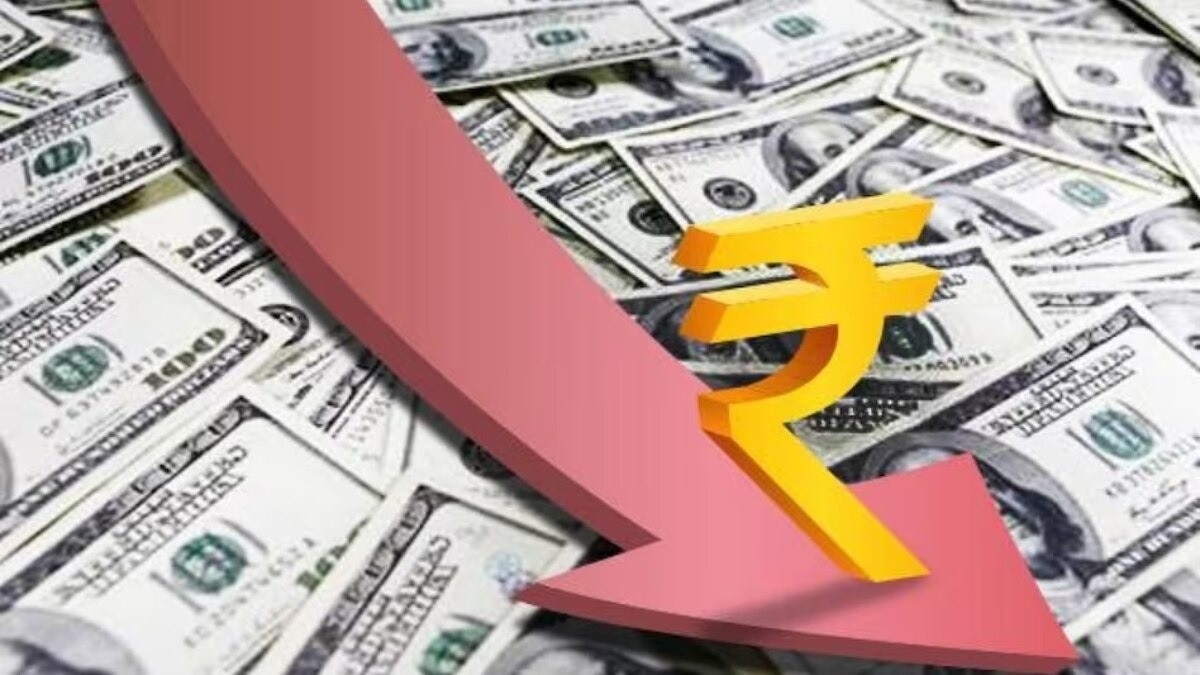
The Indian rupee has slipped against the US dollar despite a decline in the greenback.
- Who
- Economists, the IMF, the World Bank, and everyday consumers are affected by PPP.
- What
- Purchasing Power Parity (PPP) explains how much a dollar can buy in different countries.
- When
- The data is current as of August 2025.
- Where
- Globally, with specific examples in India, Vietnam, Mexico, the US, and Switzerland.
- Why
- To compare living standards globally and understand the value of money in different economies.
- Definition
- Purchasing Power Parity (PPP) measures the relative value of money in different countries.
- India's PPP rank
- Third-largest economy in the world by PPP
- $1 in India
- Can buy a full meal
- $1 in USA
- Barely covers a candy bar
- Rupee performance
- Slipped 2.3% against the dollar in 2025
- Example cost of haircut in India
- $1.25
- Example cost of haircut in US
- $40