Archive · 14 Dec 2025
CJI Advocates Unified Judicial Policy with Technology
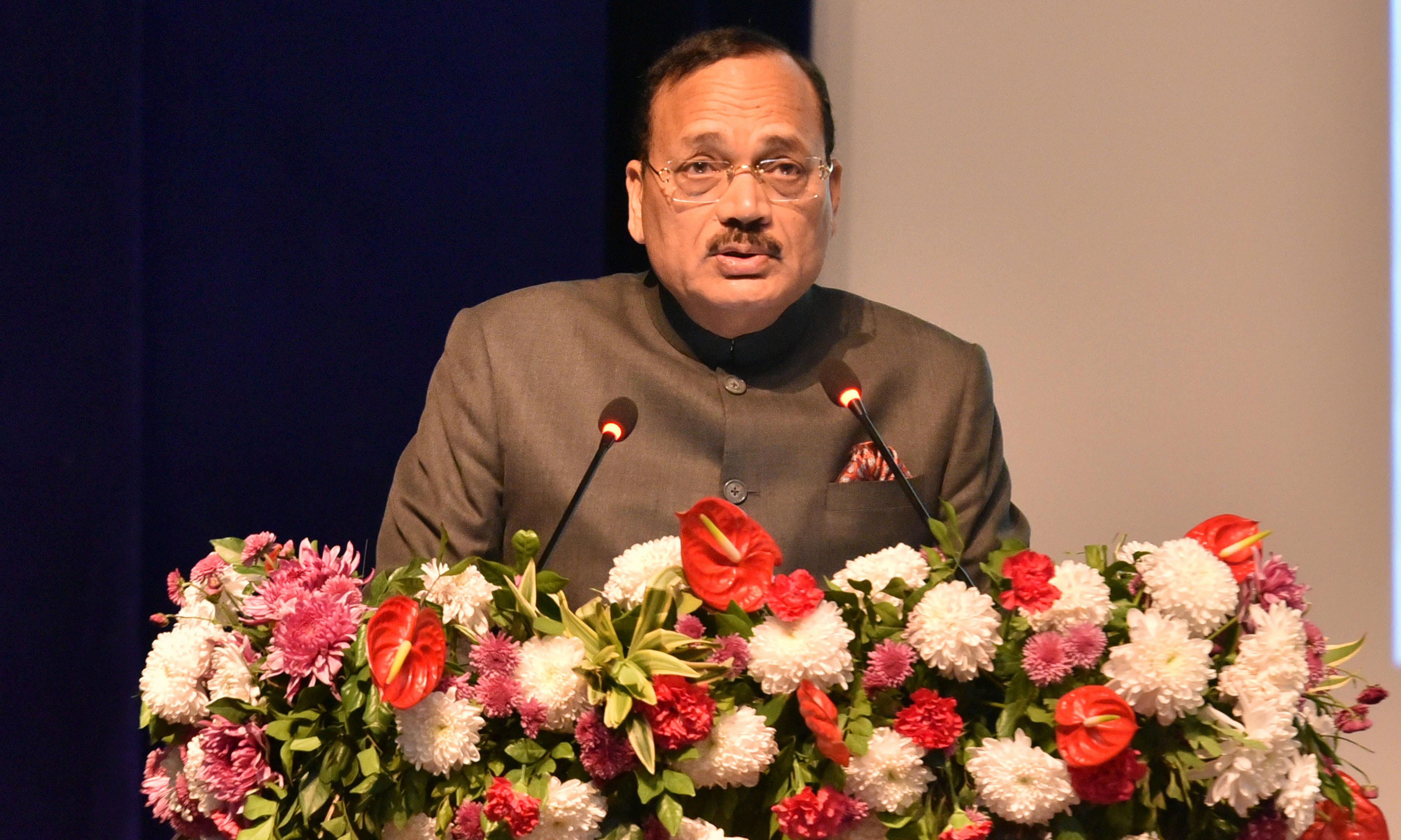
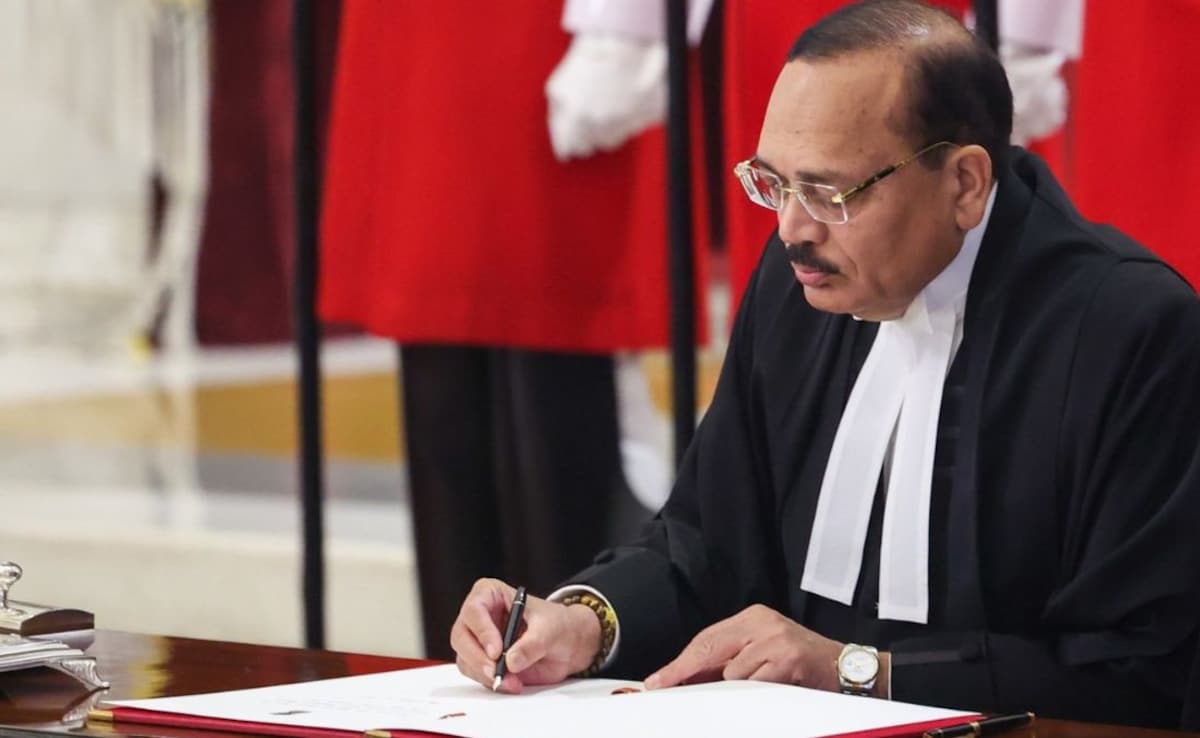
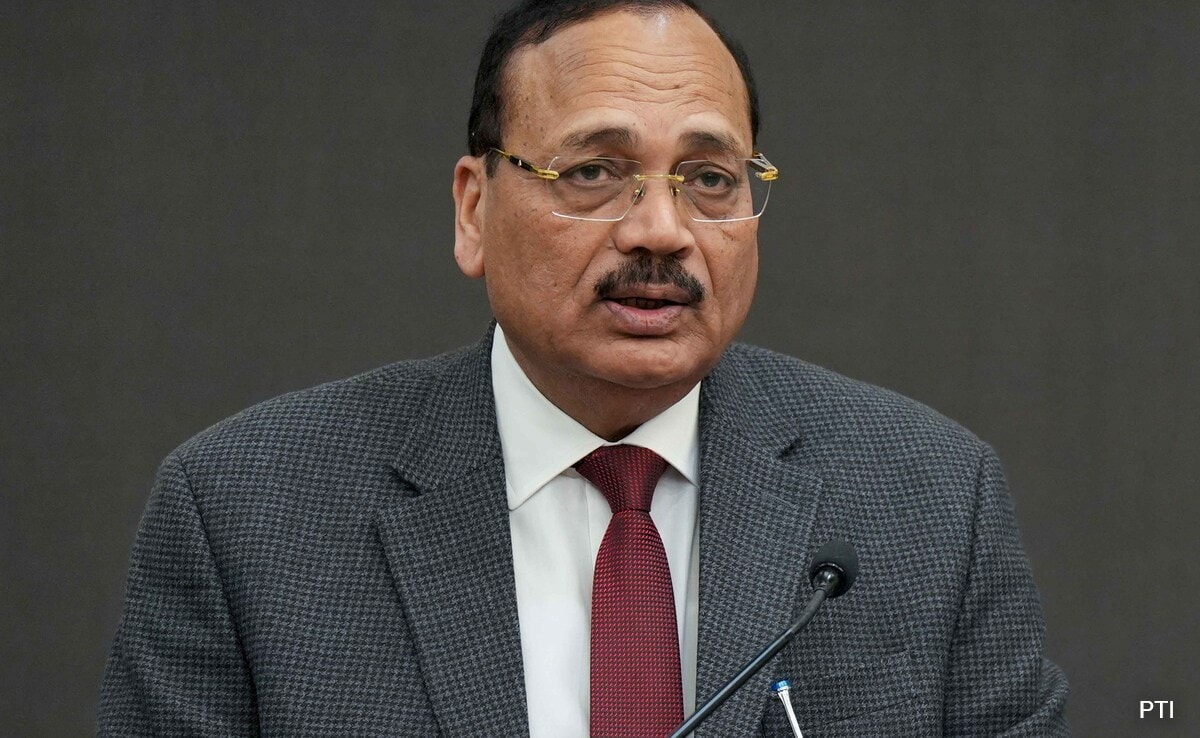
The Chief Justice of India, Surya Kant, recently spoke at two different events about how to make the judicial system better.
He talked about how technology can help make the system more uniform and efficient across the country.
He also shared a personal story about an elderly farmer who had to wait a long time for his case to be heard, showing how delays in the judicial system can affect people's lives.
He said that the true test of the judicial system is how it treats the common citizen.
To improve the system, he suggested using technology to streamline case management and reduce delays, as well as promoting alternative dispute resolution methods like mediation.
He believes that these changes can make the judicial process simpler, more understandable, and more humane for everyone.

Chief Justice of India Surya Kant proposed a 'national judicial ecosystem' to align standards and practices across courts.
Technology can help overcome regional barriers and improve access to justice, making the system more efficient and transparent.
Different high courts have varying practices and technological capacities, leading to uneven experiences for litigants.
Technology can identify and address systemic delays, ensuring timely and principled outcomes, and AI and digital tools can streamline case management, simplify legal language, and make judgments more understandable.
CJI Kant emphasized the human cost of judicial delays and the importance of reducing both delays and costs to make courts more relevant and humane, highlighting the potential of alternative dispute resolution, particularly mediation, to resolve disputes more quickly and affordably.
- Who
- Chief Justice of India Surya Kant
- What
- Advocacy for a unified judicial policy, greater use of technology in courts, and alternative dispute resolution
- When
- During the West Zone Regional Conference in Jaisalmer and the Orissa High Court Bar Association Symposium
- Where
- Jaisalmer, India, and Orissa High Court
- Why
- To create a seamless experience for citizens, align standards, improve access to justice, and reduce the human cost of judicial delays
Proponents of Judicial Reform
Skeptics of Rapid Change
Technology Integration
Proponents of Judicial Reform
Technology can streamline case management, improve access to justice, and reduce delays.
Skeptics of Rapid Change
Rapid technological integration may overwhelm the system and require extensive training for judges and staff.
Alternative Dispute Resolution
Proponents of Judicial Reform
Mediation and settlement are strategic and dignified resolutions that reduce the burden on courts.
Skeptics of Rapid Change
Some cases may not be suitable for mediation, and the effectiveness of alternative dispute resolution varies.
- Speaker
- Chief Justice of India Surya Kant
- Event
- West Zone Regional Conference in Jaisalmer and Orissa High Court Bar Association Symposium
- Proposal
- National judicial ecosystem with shared standards
- Technology Benefits
- Access to justice, institutional efficiency, transparency
- Key Issue
- Uneven experiences for litigants across India and the human cost of judicial delays
- Solution
- Unified judicial policy, technology integration, and alternative dispute resolution
- Example Initiative
- Urgent cases listed within two days of curing defects and efforts to dispose of long-pending matters
- Tools Mentioned
- National Judicial Data Grid, e-courts, AI-based research assistants, and mediation