

Archive · 22 Dec 2025
AI Videos of Dead Celebrities Spark Debate
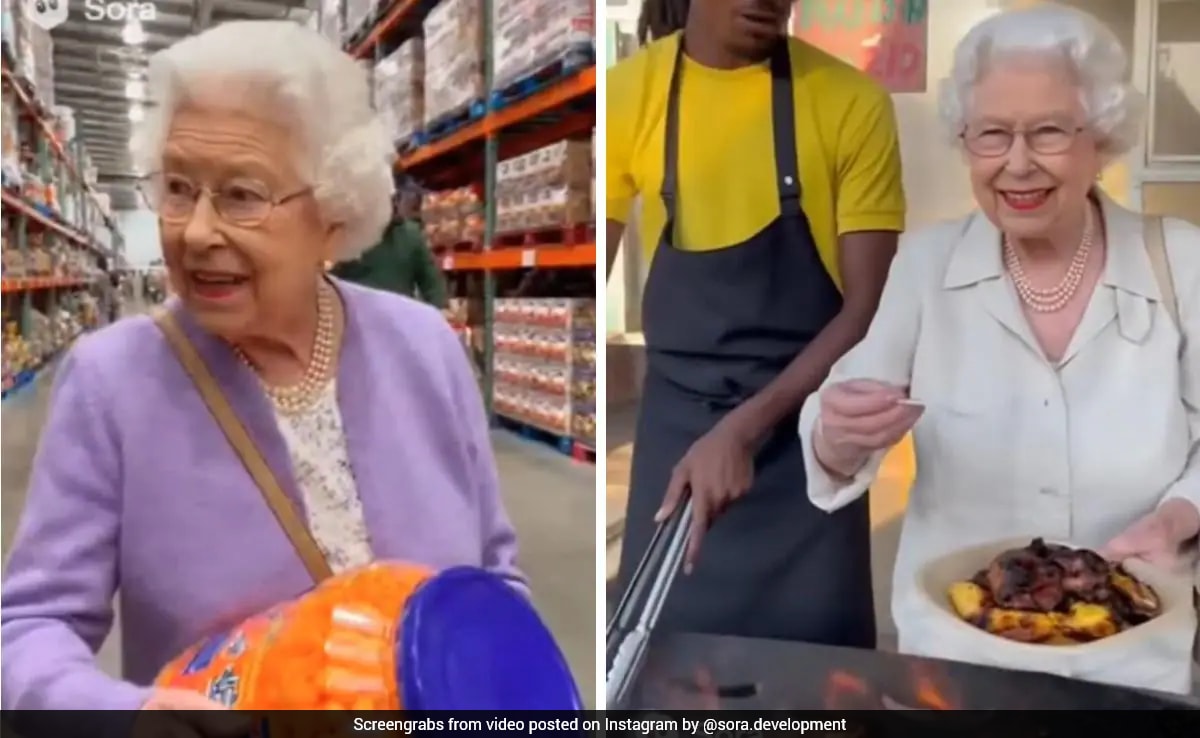
OpenAI's new AI tool, Sora, can create very realistic videos of dead celebrities.
Some people find these videos funny, like seeing Queen Elizabeth II playing football or Michael Jackson dancing.
But others, especially the families of these celebrities, are upset.
They say it's disrespectful and can be very upsetting to see their loved ones in fake videos.
Some people are also worried that these videos can spread false information and make people not trust real news anymore.
OpenAI has tried to stop some videos, like those of Martin Luther King Jr., but experts say the problem will only get worse as more AI tools become available.

OpenAI's Sora tool creates hyper-realistic AI videos of deceased celebrities, sparking debate.
Videos of figures like Queen Elizabeth II and Michael Jackson have spread rapidly online.
Families of deceased celebrities, including Robin Williams and Malcolm X, have condemned the use of Sora.
OpenAI has blocked videos of Martin Luther King Jr. after complaints but faces criticism for not doing enough.
Experts warn that unchecked synthetic content could erode trust in real news.
- Who
- OpenAI, deceased celebrities' families, internet users, experts
- What
- Creation and spread of AI-generated videos of deceased celebrities
- When
- After the launch of OpenAI's Sora in September
- Where
- Online platforms like TikTok and Facebook
- Why
- Debate over control of deceased individuals' likenesses and potential for misinformation
- AI Tool
- OpenAI's Sora
- Controversial Figures
- Queen Elizabeth II, Michael Jackson, Martin Luther King Jr.
- Concerns
- Trauma, misinformation, lack of control over likenesses
- OpenAI's Response
- Blocked MLK Jr videos, allows requests to stop likeness use
- Expert Opinion
- Hany Farid: OpenAI's tool undermines control over likenesses
- Potential Impact
- Erosion of trust in real news