

Archive · 5 Nov 2025
UK Sharia Law Claims Unfounded, Legacy of Colonialism Cited
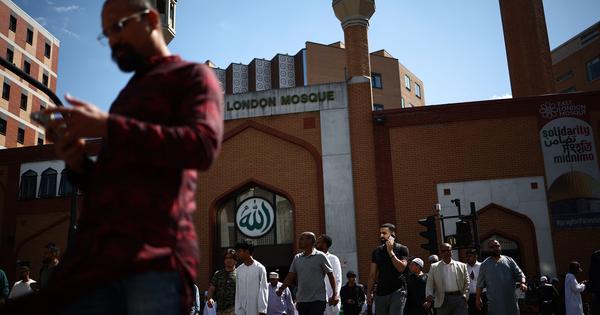
Some people worry that religious laws, like Sharia law, are creating a separate legal system in the UK that is replacing English law.
However, experts say this isn't true.
They explain that Sharia councils exist, but they don't have any official power and can only help people with personal issues like marriage or divorce if everyone agrees.
These councils are a leftover from when Britain ruled other countries and had to work with different local laws.
It's like how Jewish Beth Din courts and Catholic annulment processes also exist but don't change English law.
A government review found that while these Sharia councils are not official courts, there were problems with fairness for women, especially regarding divorce.
The review suggested making things clearer and safer for women, like making sure marriages are registered legally.
While these suggestions were accepted, the government hasn't created new rules yet, so it relies on the councils to do the right thing.

Claims of a 'Sharia law takeover' in the UK are unfounded and ignore the legacy of British colonialism.
Sharia councils in the UK lack statutory authority and handle personal disputes voluntarily, operating within English law.
The presence of faith-based arbitration bodies is a continuation of historical legal pluralism established during the British colonial era.
A 2018 Home Office review found no legal jurisdiction for sharia councils but noted concerns about gender inequality and the need for better regulation.
Safeguards proposed by the review aim to protect vulnerable women, particularly in obtaining Islamic divorces, by ensuring transparency and awareness of legal rights.
- Who
- Academics, public figures, and users of Sharia councils.
- What
- Debate regarding the presence and nature of Sharia law in the UK legal system, its historical context, and concerns about women's rights.
- When
- Recurring issue, recently reignited by Donald Trump's speech; Sharia councils date back to the 1980s; Muslim Arbitration Tribunal in existence since the early 2000s; Home Office review in 2018.
- Where
- United Kingdom, specifically England and Wales.
- Why
- To address public anxieties about Sharia law, its relationship with English law, and its historical roots in British colonialism, while also examining issues of women's rights and legal regulation.
Claims of Sharia Law 'Takeover'
Academic/Historical Perspective
Existence of a Parallel Legal System
Claims of Sharia Law 'Takeover'
Claims resurface that sharia law is establishing a parallel legal system, threatening English law, fueled by terms like 'courts' and 'judges'.
Academic/Historical Perspective
Sharia councils have no statutory authority under English law; they are forums for personal disputes and operate within the boundaries of English law. The Muslim Arbitration Tribunal operates under the Arbitration Act 1996 for civil disputes between consenting adults.
Sharia's Role in Modern Britain
Claims of Sharia Law 'Takeover'
Concerns are raised about potential challenges to Britain's legal sovereignty due to the existence and perceived lack of oversight of sharia councils.
Academic/Historical Perspective
The existence of sharia councils and similar faith-based arbitration bodies is an inevitable legacy of Britain’s colonial history, where plural legal systems were deliberately designed to govern diverse populations.
Regulation and Oversight
Claims of Sharia Law 'Takeover'
The lack of official oversight fuels the perception of a challenge to legal sovereignty.
Academic/Historical Perspective
A 2018 Home Office review acknowledged concerns about gender inequality and lack of representation in some councils, recommending better regulation and oversight, including state intervention in bad practices disadvantaging women. However, the UK government has not established a regulatory body.
- Sharia Councils
- No statutory authority under English law; handle personal disputes like marriage, divorce, inheritance; date back to the 1980s.
- Muslim Arbitration Tribunal
- Operates under the Arbitration Act 1996 for civil disputes between consenting adults; must operate within English law.
- 2018 Home Office Review
- Confirmed sharia councils hold no legal jurisdiction; acknowledged concerns about gender inequality and recommended safeguards.
- Users of Sharia Councils
- Nearly all users are women, over 90% seeking an Islamic divorce; many lack civil registration of marriage.
- Colonial Legal Systems
- British colonial administrators designed plural legal systems, allowing limited autonomy under local laws like Sharia in Northern Nigeria and British India, to sustain imperial rule.