

Archive · 23 Sep 2026
Supreme Court Examines Penal Action For Refusing Vande Mataram
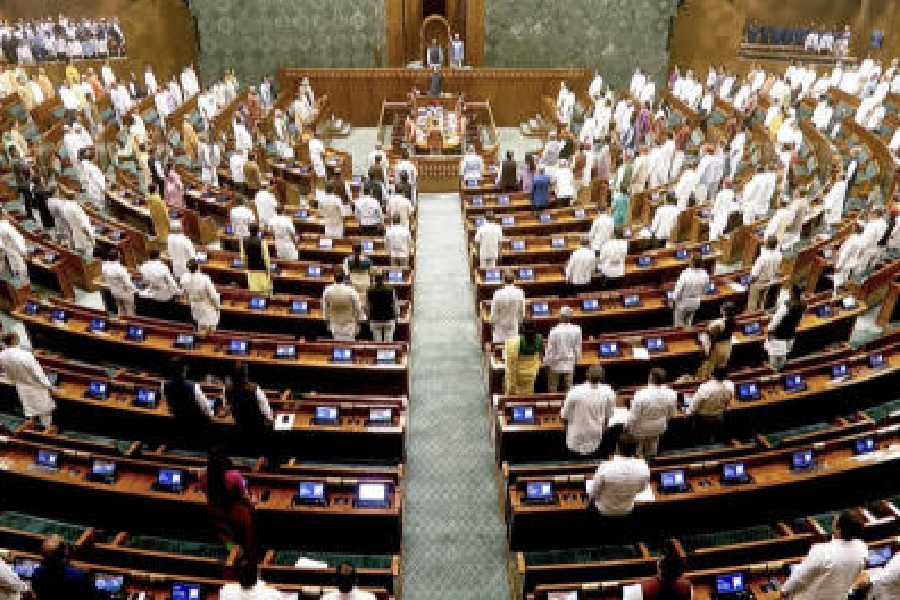
The Supreme Court is examining whether people can be punished for not singing Vande Mataram.
T.M. Krishna says people with genuine religious or conscience-based objections should not face criminal penalties.
He also objects to rules requiring all six stanzas to be sung at official events.
He says the later stanzas contain Hindu religious references.
The judges said the government, not the court, decides the national song’s official form.
They referred to an older case protecting children who stood respectfully but did not sing the National Anthem.
The court asked the government to respond but did not issue formal notice yet.
Lawyers also argued after the government’s lawyer used the phrase “Naxalites.”

The Supreme Court indicated that conscientious objectors should not face criminal penalties for refusing to sing Vande Mataram on religious or conscience-based grounds.
The case was filed by Carnatic vocalist and author T.M. Krishna against the 2026 amendment extending penal protection to the national song.
Krishna also challenges Ministry of Home Affairs directions requiring all six stanzas of Vande Mataram at official functions.
The bench cited the 1986 Bijoe Emmanuel ruling, which protected schoolchildren who respectfully declined to sing the National Anthem for religious reasons.
The court said the state may determine the national song’s form, while lawyers clashed over secularism, legislative process and a “Naxalites” remark.
- Who
- The Supreme Court bench led by Chief Justice of India Surya Kant, T.M. Krishna, the Union government, Solicitor General Tushar Mehta and Senior Advocate S. Muralidhar.
- What
- The court is examining whether people who refuse to sing Vande Mataram for genuine religious or conscientious reasons can face criminal penalties.
- When
- Tuesday, September 22, 2026.
- Where
- The Supreme Court of India.
- Why
- Krishna is challenging the amended national-honour law and Ministry of Home Affairs directions concerning the six-stanza version of Vande Mataram, citing concerns about religious freedom, conscience, equality, free speech and secularism.
Constitutional and conscientious-objection concerns
State authority and national sentiment
Punishment for refusing to sing
Constitutional and conscientious-objection concerns
Krishna and S. Muralidhar argue that people with genuine religious or conscientious objections should not face criminal consequences, relying on the principles of Bijoe Emmanuel.
State authority and national sentiment
The Centre opposes the petition’s submissions and maintains that the state’s law-making authority must be respected, while the court examines whether the amended provision complies with fundamental rights.
Religious references and secularism
Constitutional and conscientious-objection concerns
Krishna’s petition argues that the later four stanzas contain Hindu devotional references and that compelling citizens to sing them raises concerns about secularism and religious freedom.
State authority and national sentiment
The Solicitor General argued that secularism should not be interpreted narrowly, while Justice Bagchi indicated that homage to a particular form of God would not necessarily violate secularism.
Two or six stanzas
Constitutional and conscientious-objection concerns
Muralidhar argued that Vande Mataram had traditionally been understood to refer to its first two stanzas and that imposing the full version with penal consequences required public consensus.
State authority and national sentiment
The bench said the democratic state may decide the national song’s form and associated national aspirations, including whether two or six stanzas apply.
- Petitioner
- Carnatic vocalist and author T.M. Krishna
- Law challenged
- Section 3 of the Prevention of Insults to National Honour Act, 1971, as amended in 2026
- Potential punishment
- Up to three years’ imprisonment, a fine, or both, for intentionally preventing singing or disrupting an assembly singing the National Anthem or national song
- Directions challenged
- Ministry of Home Affairs orders dated January 28 and July 9, 2026, including directions concerning all six stanzas
- Legal precedent
- The 1986 Bijoe Emmanuel judgment protected respectful non-singing of the National Anthem on religious or conscience-based grounds
- Court’s stated focus
- Whether penal consequences for refusing to sing are consistent with constitutional protections, rather than which version of the national song the state adopts
- Procedural status
- The court sought the Centre’s response but did not issue formal notice at this stage
Sources
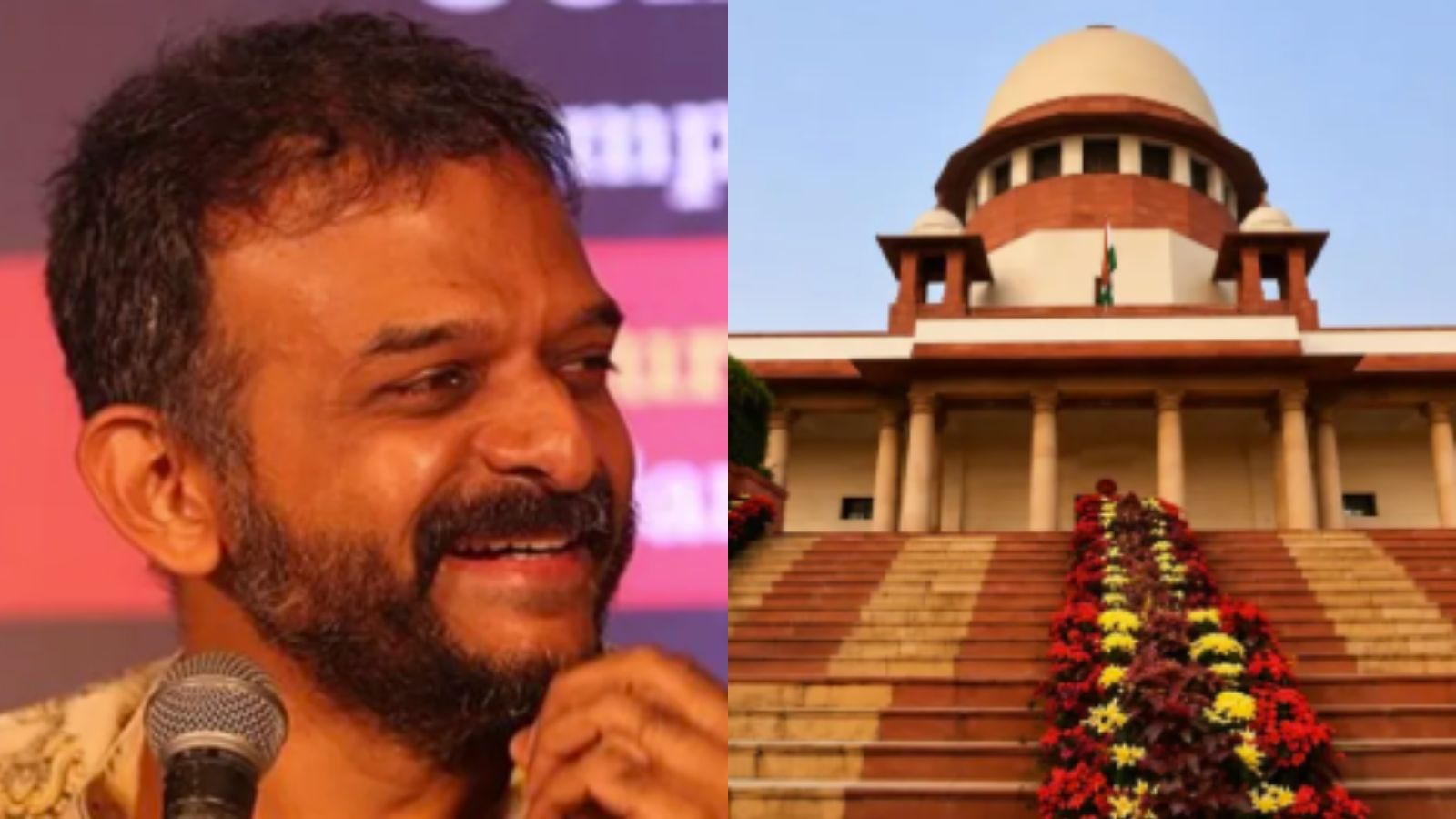
Carnatic singer TM Krishna’s Vande Mataram plea, and a ‘Naxalite’ showdown

'No Criminal Consequences': Supreme Court In T M Krishna Case On Refusal To Sing Vande Mataram For Religious Reasons

‘Conscientious objector’ should not be punished for not singing Vande Mataram: SC to Centre

National Song Is State’s Call, Penal Action Open To Scrutiny: SC