9 months ago
NHCX Aims to Reduce Insurer-Hospital Friction
The National Health Claims Exchange (NHCX) is a digital platform that brings together health insurers and hospitals to make insurance claims faster and more transparent.
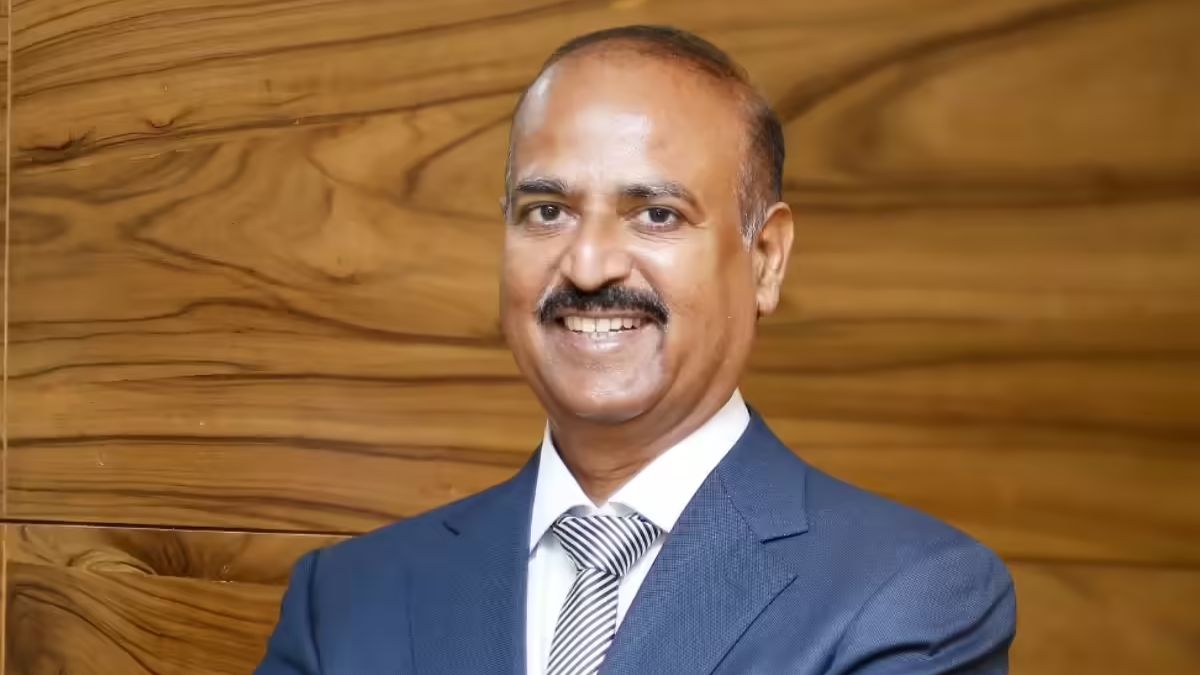
Tapan Singhel, the head of Bajaj General Insurance, says that while all insurers are on the NHCX, hospitals are joining slowly.
Once more hospitals join, the system will make it easier for people to get cashless treatment and reduce disputes over billing.
Medical costs are rising quickly, so having additional insurance coverage like riders and super top-ups can help people afford healthcare.
The insurance industry is also seeing new trends like digital platforms and AI to make buying and managing insurance easier.

NHCX aims to streamline and digitize health insurance claims, reducing friction between insurers and hospitals.
All insurers are on NHCX, but hospital participation has been slow.
NHCX integrates with the Ayushman Bharat Digital Mission for real-time medical records access.
Medical inflation in India is projected to rise to 13% in 2025, making additional insurance coverage important.
The insurance industry is adopting digital platforms and AI to make buying and managing insurance easier.
- Who
- Tapan Singhel, MD & CEO, Bajaj General Insurance and chairman of General Insurance Council
- What
- NHCX aims to streamline and digitize health insurance claims
- Where
- India
- When
- Not specified
- Why
- To reduce friction between insurers and hospitals, make claims faster, simpler, and more transparent
Key facts
- NHCX
- National Health Claims Exchange
- Hospital Participation
- Slow
- Insurer Participation
- All insurers are on NHCX
- Medical Inflation
- 12% in 2024, projected to rise to 13% in 2025
- CABG Cost
- 2 lakh in 2018-19, 6 lakh in 2024
- Common Empanelment Framework
- Created by General Insurance Council
- Hospitals on Board
- Close to a thousand hospitals
- Hospitals Registered
- Over 6,000
Quotes
Dr KK Singh
Dr KK Singh is the spokesperson for King George’s Medical University in Lucknow.
“Given that we are a government hospital, nearly all of our facilities are already subsidised. However, it is true that medical expenses have risen while the package prices under Ayushman Bharat have not been revised accordingly.”
 financialexpress.com
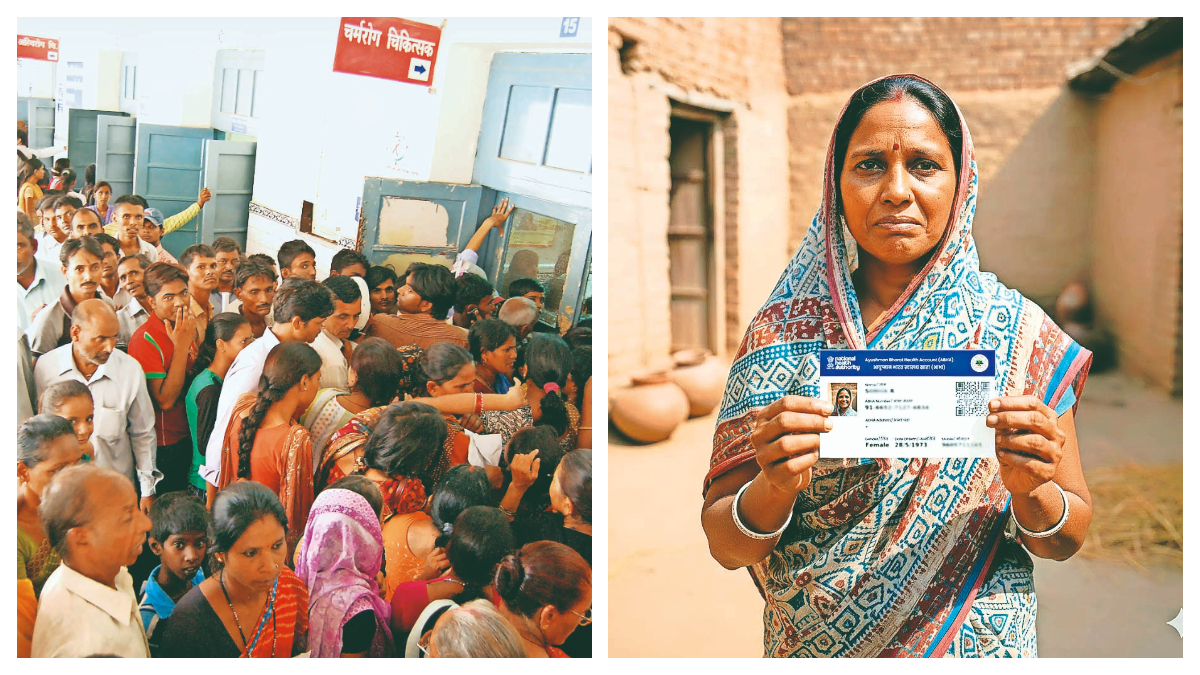
“Our patient load is enormous. When we run out of beds, we are forced to provide emergent care and refer the patient ahead to a different government hospital or private hospital (which most serious patients can already hardly afford), for them to be admitted and treated further.”
financialexpress.com
Dr Sanjay Kumar Verma
Dr Sanjay Kumar Verma is the spokesperson for Lari Cardiology Centre in Lucknow.
“We have to refer at least seven to ten patients to other public or private hospitals each day.”
financialexpress.com
“Both the patients as well as doctors referring to them hope that they can continue treatment at another public hospital, since the patients coming to us aren’t very financially stable. But the rush at almost every government hospital in the capital of UP is so high, particularly at night, that we are left with no option.”
financialexpress.com
Dr Vineeta Mittal
Dr Vineeta Mittal is a member of the Indian Medical Association (IMA) UP chapter.
“It is sadly true that Ayushman Bharat reimbursements sometimes take 6-8 months to get cleared”
financialexpress.com
Dr Bhanushali
Dr Bhanushali is the President of the Indian Medical Association (IMA).
“We have approached and spoken to the NHA regarding revision of package rates, but no revisions have been made as of yet. The rates do not make sense as they currently stand—it is impractical.”
financialexpress.com
Dr Sunil Kumar Barnwal
Dr Sunil Kumar Barnwal is the CEO of the National Health Authority (NHA).
“To accelerate progress, leadership of state and UT health authorities in digital integration and innovation will be key to making it the world’s largest transformative health scheme”
financialexpress.com
Abhimanyu Saxena
Abhimanyu Saxena is the head of health system strengthening at the United Nations Development Programme (India).
“Not just Asia, but the world can also adopt Ayushman Bharat because it demonstrates how public insurance can reach large populations if systems are transparent and accountable”
financialexpress.com