

Archive · 28 Jul 2025
Expert Weighs In: Creatine's Health Benefits and Risks
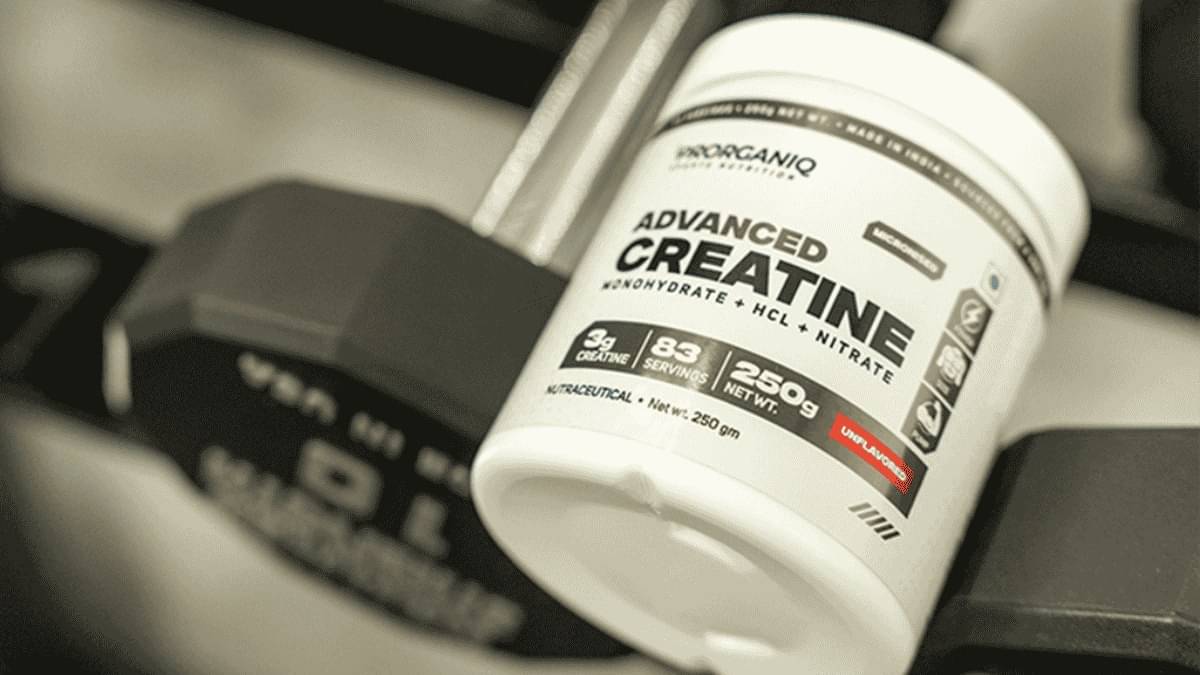
Creatine is like a fuel for your muscles, helping you lift weights and sprint faster.
Your body makes it, and you get some from food, but supplements give you extra.
It can make you stronger, help muscles grow, and even sharpen your mind.
It's generally safe, but people with kidney problems should be careful.
Stick to the recommended amount, drink water, and buy from good brands to use it safely.

Creatine is a natural substance found in muscle cells, used for energy during intense activity.
Creatine supplements can boost athletic performance, leading to increased strength and power.
Creatine aids muscle growth when combined with resistance training.
Creatine may improve cognitive functions, such as memory and attention.
Creatine is generally safe but caution is advised for those with kidney issues.
- Who
- Creatine is for athletes, fitness enthusiasts, and those wanting to improve cognitive function.
- What
- Creatine is a natural substance that boosts energy for muscle activity.
- When
- N/A
- Where
- N/A
- Why
- Creatine enhances physical performance, muscle growth, and cognitive function.
Common Concerns
Health Benefits and Safety
Kidney Health
Common Concerns
Creatine causes kidney damage.
Health Benefits and Safety
Creatine does not cause kidney damage in healthy individuals.
Dehydration and Cramps
Common Concerns
Creatine leads to dehydration and cramps.
Health Benefits and Safety
Creatine does not significantly increase muscle cramps or dehydration.
Steroid Concerns
Common Concerns
Creatine is a steroid.
Health Benefits and Safety
Creatine is a natural compound, not a steroid.
- What it is
- Natural substance in muscle cells
- Purpose
- Boosts energy for high-intensity activities
- Benefits
- Increased strength, muscle growth, improved cognitive function
- Dosage
- 3-5 grams per day
- Who should be cautious
- Individuals with kidney/liver issues, those on medications, pregnant women