

Archive · 6 Jan 2026
India's Green Hydrogen Shift: Costs to Fall 50% by 2030
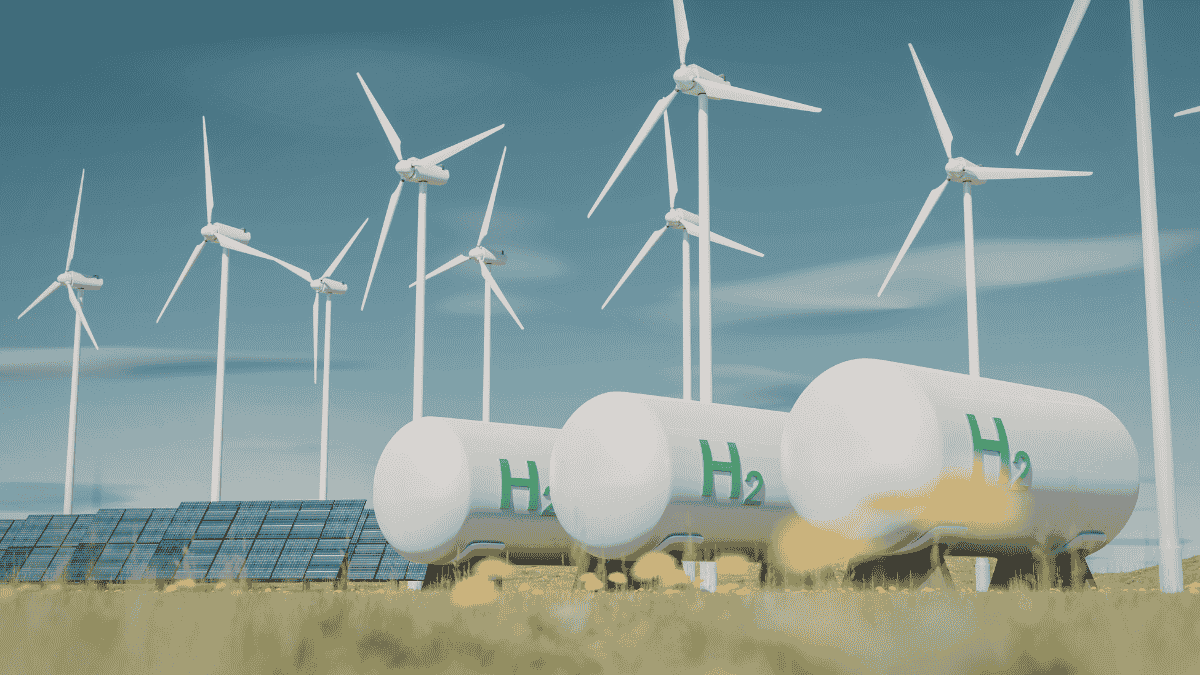
India is working hard to use more clean energy and reduce its reliance on fossil fuels.
One important part of this plan is green hydrogen, which is a clean way to produce energy.
Right now, green hydrogen is more expensive than other types of hydrogen, but experts believe that the cost will go down by half by 2030.
This is because renewable energy like solar and wind power is getting cheaper, and the machines that make green hydrogen (called electrolysers) are also becoming less expensive.
The Indian government is helping with policies and money to support this change.
Big companies like Reliance Industries and Waaree Energies are involved in making green hydrogen, and they are expected to benefit from this shift.
The main uses for green hydrogen will be in making fertilizers, refining oil, and producing petrochemicals.
Overall, this change to green hydrogen is good for the environment and could make India's energy more affordable and competitive.

Green hydrogen costs in India are expected to halve by 2030, falling to around $1.6 per kg from the current $3.5–4 per kg.
The cost reduction is driven by cheaper renewable power, declining electrolyser costs, and government policy support.
The National Green Hydrogen Mission (NGHM) with a $2.5 billion outlay aims to reduce green hydrogen costs through viability gap funding (VGF) and production-linked incentives (PLI).
Key demand drivers for green hydrogen by 2030 include the fertiliser sector (6.1 mtpa), refining (4.5 mtpa), and petrochemicals (1.3 mtpa).
Companies like Reliance Industries and Waaree Energies are poised to benefit from the expected rise in green hydrogen demand and cost reductions.
- Who
- India, Reliance Industries, Waaree Energies, Nuvama, CEEW, National Green Hydrogen Mission (NGHM)
- What
- Green hydrogen cost reduction and demand increase in India
- When
- By 2030
- Where
- India
- Why
- To reduce dependence on fossil fuels, meet net-zero targets, and improve global competitiveness
- Current green hydrogen cost in India
- $3.5–4 per kg
- Projected green hydrogen cost by 2030
- $1.6 per kg
- Expected green hydrogen demand by 2030
- 12 million tonnes per annum (mtpa)
- Key demand drivers for green hydrogen
- Fertilisers, refining, petrochemicals
- National Green Hydrogen Mission (NGHM) total outlay
- $2.5 billion
- SIGHT scheme outlay for green hydrogen
- Rs 17,490 crore
- Expected decline in electrolyser stack costs
- 75%, from $150 per kW to $38 per kW
- Potential cost reduction from policy measures
- 24% from waiving power banking and open-access charges