Archive · 12 Jan 2026
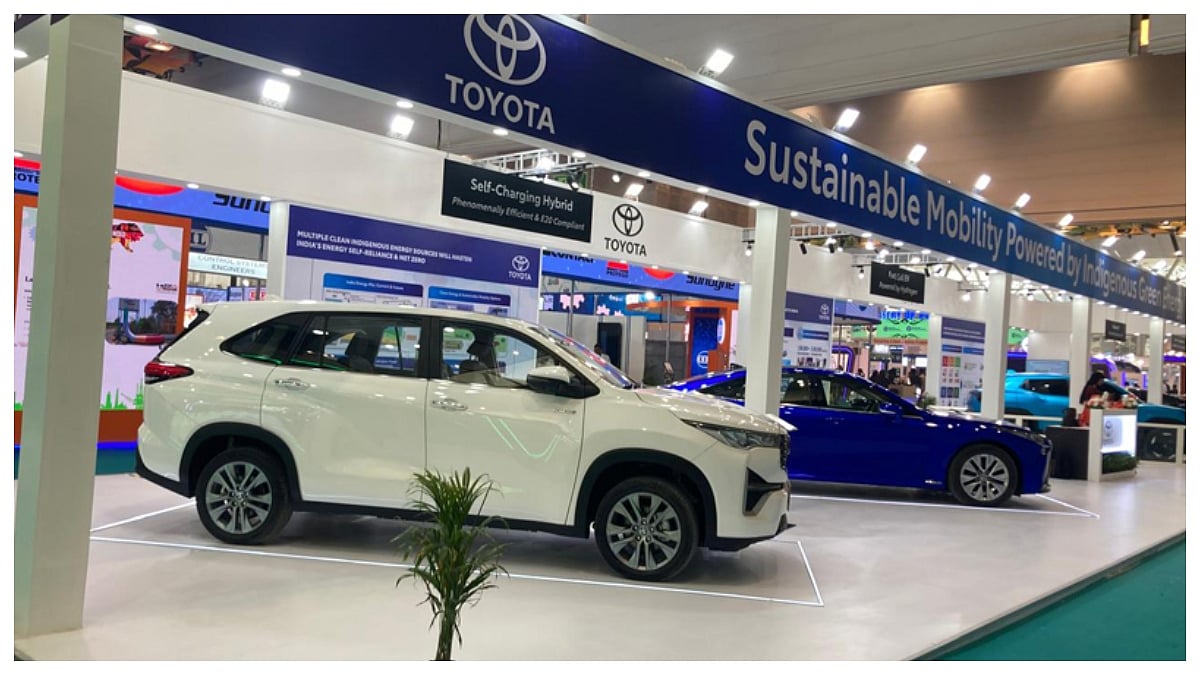
Toyota Advocates Multi-Tech Pathway for Energy Security

Toyota, a big car company, says India needs to use many different types of green car technologies, not just electric vehicles.
They think using battery electric vehicles, hybrids, flex-fuel vehicles, and even hydrogen cars can help India become more self-reliant and reduce pollution.
The company believes that different technologies work better in different places, like hybrids in cities with lots of traffic.
Toyota also wants to make cars that use less or no petrol and diesel to help the environment.
They say that making these technologies cheaper and more available is important for the future.

Toyota Kirloskar Motor advocates for a multi-technology approach to achieve energy security and reduce carbon emissions in India's automotive sector.
The company believes that battery electric vehicles, hybrids, flex-fuel vehicles, and hydrogen technologies all have roles to play due to India's geographical diversity and consumer acceptance.
Toyota highlights that hybrid vehicles are well-suited for cities like Delhi with heavy traffic, as the electric motor works efficiently in stop-start situations.
The company emphasizes the need for expansion of charging infrastructure to enhance EV adoption rates across the country.
Toyota is committed to moving away from petrol and diesel vehicles and is working to introduce a strong portfolio of green technologies.
- Who
- Toyota Kirloskar Motor
- What
- Advocacy for a multi-technology approach to achieve energy security and reduce carbon emissions in the automotive sector
- When
- January 11, 2026
- Where
- India
- Why
- To address India's geographical diversity, consumer acceptance, infrastructure readiness, and energy mix, while contributing to national objectives
- Company
- Toyota Kirloskar Motor
- Technologies Mentioned
- Battery EVs, Hybrids, Flex-Fuel, Hydrogen
- Key Initiatives
- Ethanol Programme, Hydrogen Mission
- Geographical Diversity
- India's varied regions
- National Goals
- Energy security, reduced fossil fuel imports, local manufacturing, job creation, pollution control