9 months ago
Telangana's Mudumal Menhirs Pursue UNESCO World Heritage Status
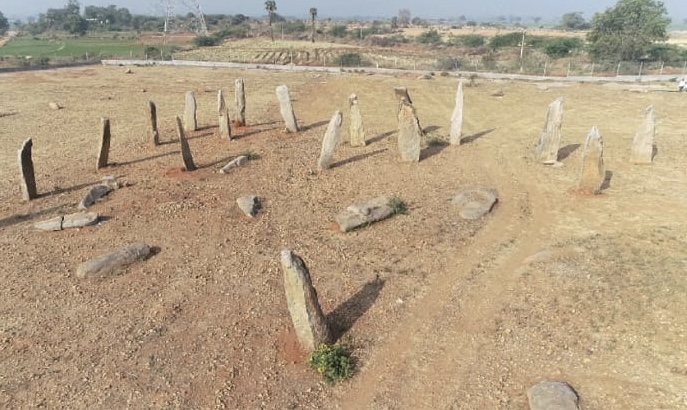
Imagine ancient giant stones standing tall in a place called Mudumal in India.
People think these stones are about 3,500 years old!
They are hoping to get a special 'world treasure' award from UNESCO, like some famous temples already have.
To do this, scientists will dig around the stones to find old things like pottery or tools.
They want to see if people were buried there long ago and learn about them by doing special tests.
They'll also use special machines to see what's hidden under the ground.
These stones might have helped ancient people tell time or understand the weather.
Other places have similar stones, so scientists need to show why these Mudumal stones are extra special to get the award.

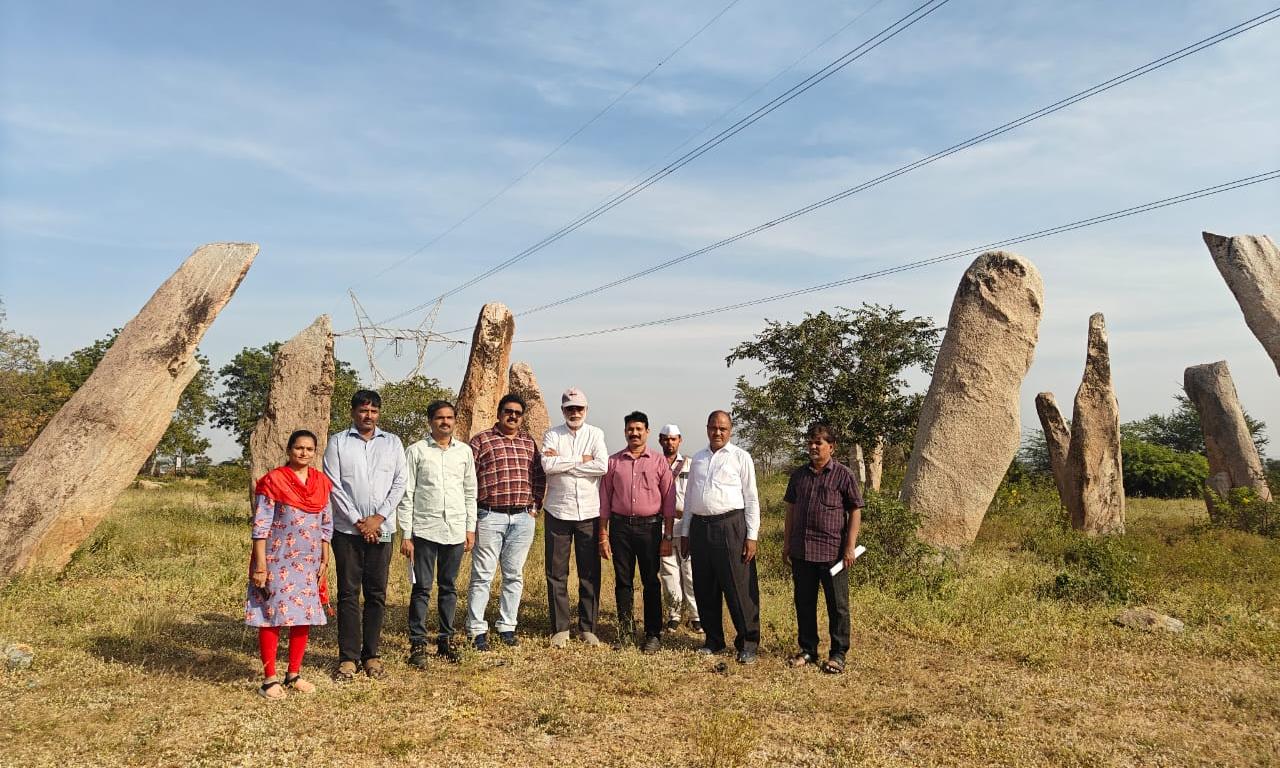
Telangana is seeking UNESCO World Heritage status for the Mudumal Menhirs in Narayanpet district.
The Mudumal Menhirs are believed to be approximately 3,500 years old and are already on UNESCO's tentative list.
Scientific excavations supported by NGRI are planned to determine the age and origins of the menhirs, potentially uncovering burial sites and artifacts.
The site, locally known as Niluvurallu, features stone blocks 14-16 feet high and is aligned, suggesting ancient habitation near the Krishna river.
To achieve UNESCO status, the unique aspects of the Mudumal Menhirs must be clearly demonstrated, distinguishing them from similar structures worldwide.
- Who
- Telangana state heritage department, with support from NGRI and ASI
- What
- Seeking UNESCO World Heritage status for the Mudumal Menhirs and planning scientific excavations to study the site's age, origins, and ancient uses.
- Where
- Mudumal, Narayanpet district, Telangana, near the Krishna river.
- When
- Ongoing efforts; excavation approval is pending from ASI.
- Why
- To gain international recognition for the historical and cultural significance of the Mudumal Menhirs, which are believed to be around 3,500 years old and potentially used for understanding time and weather.
Arguments for UNESCO Status
Challenges for UNESCO Status
Uniqueness of the Site
Arguments for UNESCO Status
The Mudumal menhirs, with their alignment and size (14-16 feet height, 6-11 feet girth), suggest ancient habitation along the resource-rich Krishna riverbank. The potential discovery of burial sites and ancient tools will highlight its significance.
Challenges for UNESCO Status
Similar menhir structures exist globally, requiring a clear explanation of the Mudumal site's unique aspects to justify UNESCO recognition.
Key facts
- Location
- Mudumal, Narayanpet district, Telangana
- Proposed Age
- Approximately 3,500 years old
- Local Name
- Niluvurallu
- Menhir Dimensions
- 14-16 feet in height, 6-11 feet in girth
- Potential Discoveries
- Terracotta and mud artifacts, copper and iron traces, human remains, evidence of burial practices, tools, and evidence of ancient weather/time observation.
- Supporting Organizations
- National Geophysical Research Institute (NGRI), Archaeological Survey of India (ASI)
Quotes
P. Nagaraju
excavation director
“The uniqueness of the Mudumal Menhirs must be clearly explained because similar structures exist across the world. Only then can this site secure the UNESCO tag.”
 deccanchronicle.com
Sources
Related news

Intermediate Student Dies While Dancing At Wedding Function

Hyderabad Reports Assault, Fake Doctors, Theft and Public Initiatives
Snake Death In Telangana School Sparks Safety Concerns

Hyderabad Crime Roundup: Suicides, Ganja Haul, Snakebite Death
Telangana to Excavate Mudumal Megalithic Site