

Archive · 26 Sep 2025
QR Codes: Uses, Features, and Comparison to Barcodes
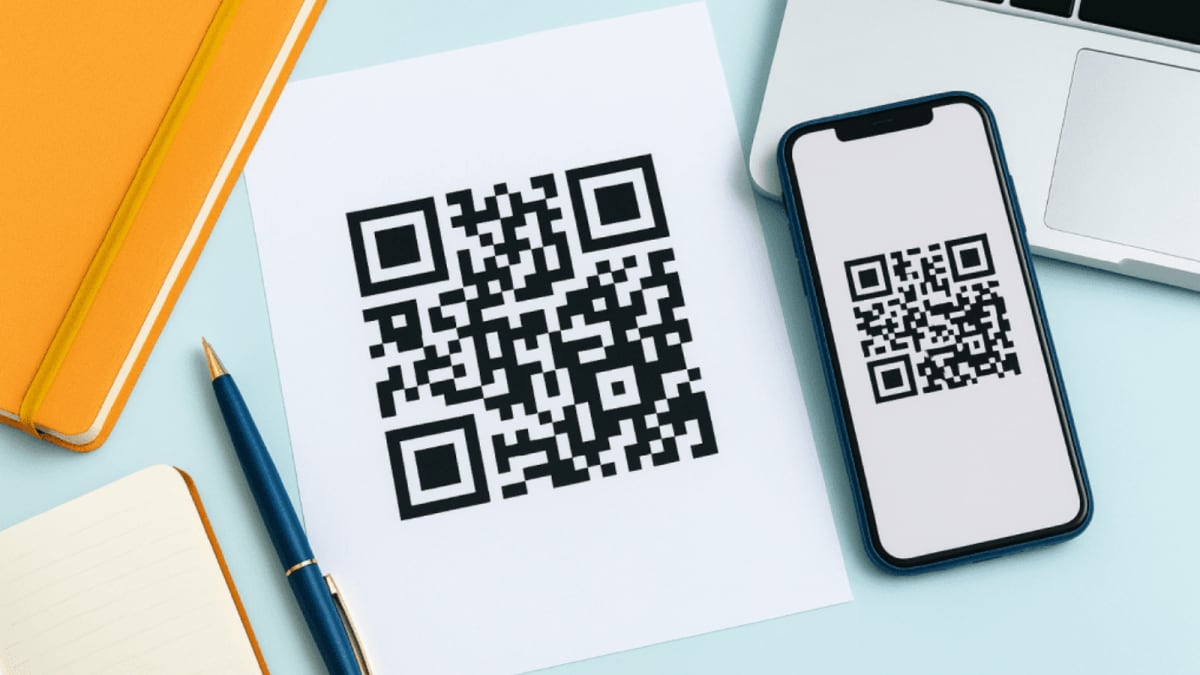
QR codes are like digital storage boxes that can hold lots of information, invented in 1994.
They're used for many things, but are especially common in India for easy payment through UPI.
You can scan a QR code with your phone to quickly get information.
They can store much more data than the old barcode.
QR codes can also show you things like menus in restaurants, which helps you order food easily without touching anything.
They are better than barcodes because they can hold more data and can still be scanned even if part of the code is damaged.

QR codes store digital information and are commonly used for payment services.
QR codes were invented in 1994 by Masahiro Hara.
QR codes can store thousands of characters, including numbers, letters, and binary data.
QR codes can also share photos, videos, links, and other information.
Barcodes primarily hold numeric data while QR codes can store much more data.
- Who
- Masahiro Hara invented QR codes.
- What
- QR codes are matrix barcodes used to store digital information.
- When
- QR codes were invented in 1994.
- Where
- QR codes are used in India and other parts of the world.
- Why
- QR codes are used to store and retrieve information efficiently, enabling various applications.
- Inventor
- Masahiro Hara (1994)
- Primary Use
- Storing and retrieving digital information
- Common Application
- Cashless and UPI transactions
- Data Capacity
- Thousands of characters
- Error Correction
- Yes
- Barcode Inventor
- Norman Joseph Woodland (1952)