

Archive · 20 Jan 2026
ED Raids in Sabarimala Gold Case

The Enforcement Directorate (ED) conducted raids in Kerala, Tamil Nadu, and Karnataka as part of an investigation into the misappropriation of gold and other assets from the Sabarimala Temple.
The ED believes that gold-clad artefacts were wrongly recorded as copper plates and illegally removed from the temple.
The investigation also looks into other financial irregularities.
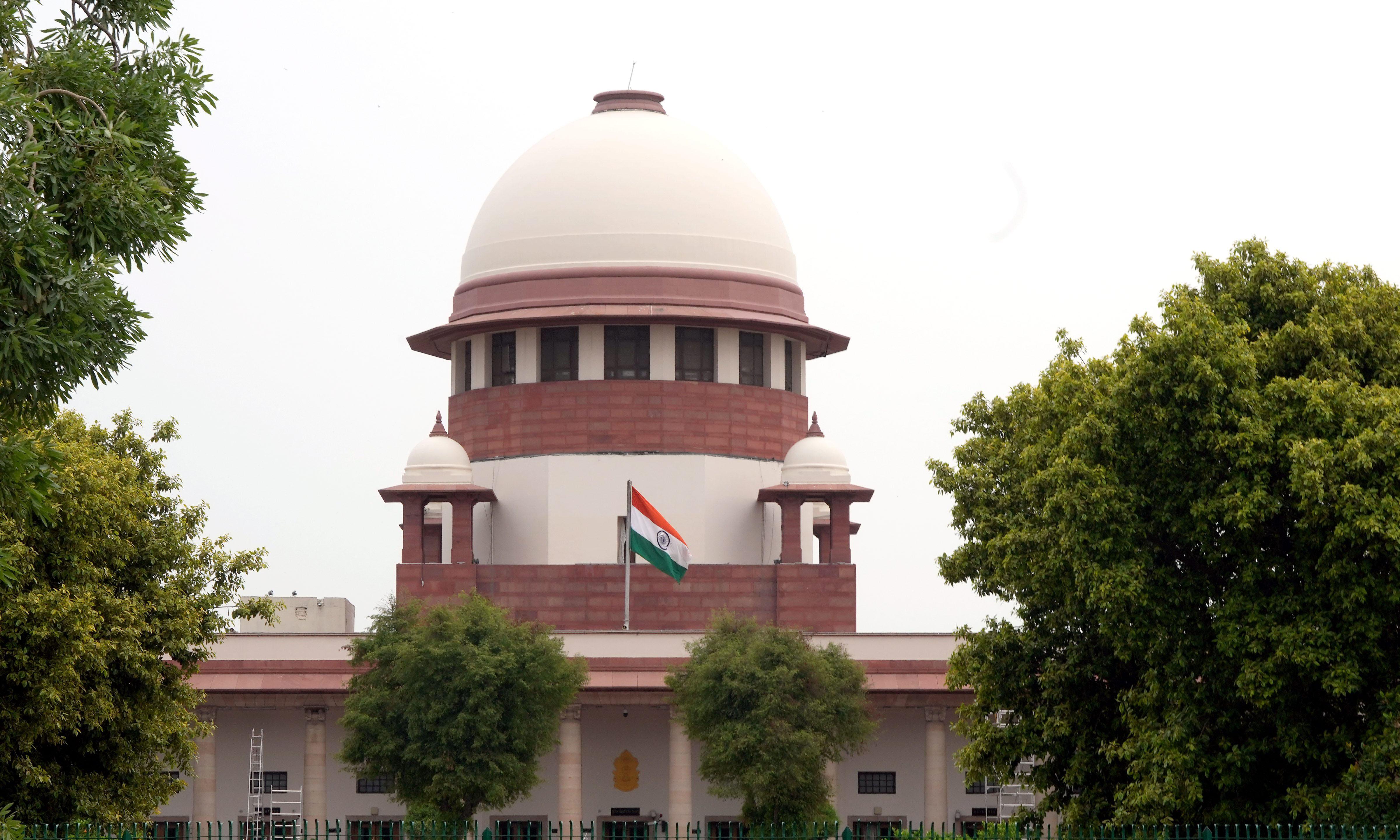
Meanwhile, the Supreme Court will examine whether the ED can file petitions in high courts under Article 226 of the Constitution.
The Kerala and Tamil Nadu governments are challenging the ED's authority to file these petitions and to stay a judicial inquiry ordered by the state government against ED officials for alleged coercion in a previous gold smuggling case.

The ED conducted raids at 21 locations in Kerala, Tamil Nadu, and Karnataka in connection with the misappropriation of gold and other temple assets of Sabarimala Temple.
The investigation revealed that gold-clad artefacts were allegedly misrepresented as copper plates and illegally removed from the temple premises between 2019 and 2025.
The Supreme Court agreed to examine whether the ED can file writ petitions under Article 226 of the Constitution for enforcement of its rights as a 'juristic person'.
The Kerala High Court upheld the ED's locus standi to file writ petitions and stayed a judicial inquiry ordered by the Kerala government against ED officials for alleged coercion in a previous gold smuggling case.
The Kerala and Tamil Nadu governments filed appeals challenging the Kerala High Court's order, which the Supreme Court will now examine.
- Who
- Enforcement Directorate (ED) and Kerala, Tamil Nadu Governments
- What
- ED raids and legal dispute over authority to conduct inquiries and file petitions
- When
- Raids conducted on Tuesday; Supreme Court to examine the case
- Where
- Kerala, Tamil Nadu, Karnataka, and Supreme Court of India
- Why
- Investigation into misappropriation of gold and other temple assets of Sabarimala Temple and dispute over the authority to order inquiries and file petitions
Kerala and Tamil Nadu Governments
Enforcement Directorate (ED)
Authority to Order Inquiry
Kerala and Tamil Nadu Governments
The state governments argue that they have the authority to order an inquiry against the ED officials for alleged coercion.
Enforcement Directorate (ED)
The ED contends that the state governments do not have the authority to order an inquiry against a central investigating agency.
Locus Standi
Kerala and Tamil Nadu Governments
The state governments believe that the ED does not have the right to approach the court to challenge the inquiry.
Enforcement Directorate (ED)
The ED asserts that it has the locus standi to file writ petitions under Article 226 of the Constitution.
- Agency Conducting Raids
- Enforcement Directorate (ED)
- Locations Raided
- 21 locations across Kerala, Tamil Nadu, and Karnataka
- Act Under Which Raids Conducted
- Prevention of Money Laundering Act (PMLA), 2002
- Period of Misappropriation
- 2019-2025
- Article Under Examination
- Article 226 of the Constitution
- Court Involved
- Supreme Court of India
- Judges Involved
- Justices Dipankar Datta and Satish Chandra Sharma
- Inquiry Commission Head
- Former HC judge Justice V K Mohanan
Sources
No tinkering: Why Kerala High Court refused to quash private college’s warning letter to law student

SC agrees to examine if ED can file petition before HCs under Article 226 as juristic person

ED raids 21 places in Kerala, Tamil Nadu in Sabarimala gold misappropriation case
SC Agrees to Examine if ED Can File Petition Before HCs Under Article 226
