

5 days ago
Trump Secretly Sends CIA Chief to Moscow Amid NATO Tensions
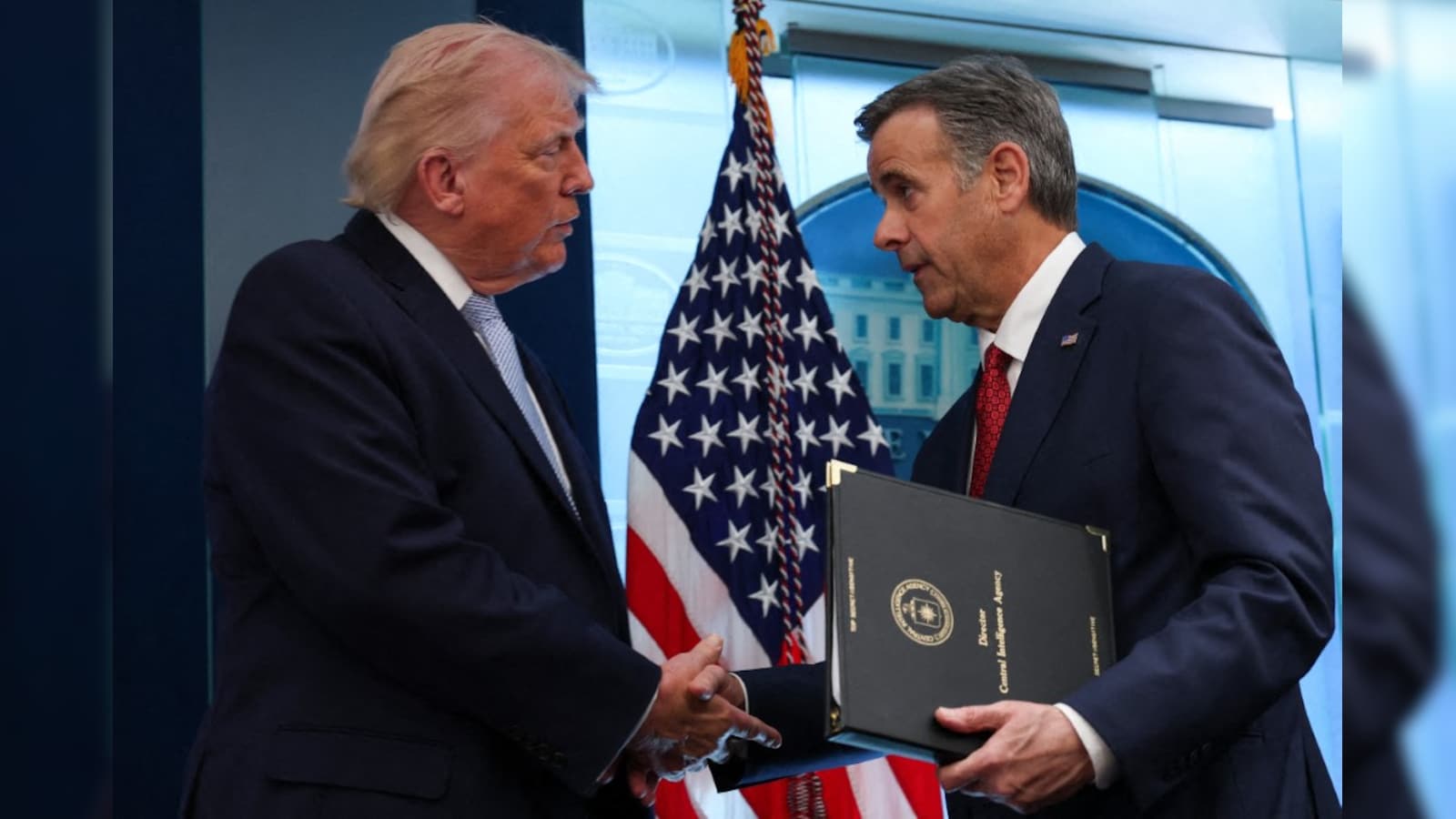
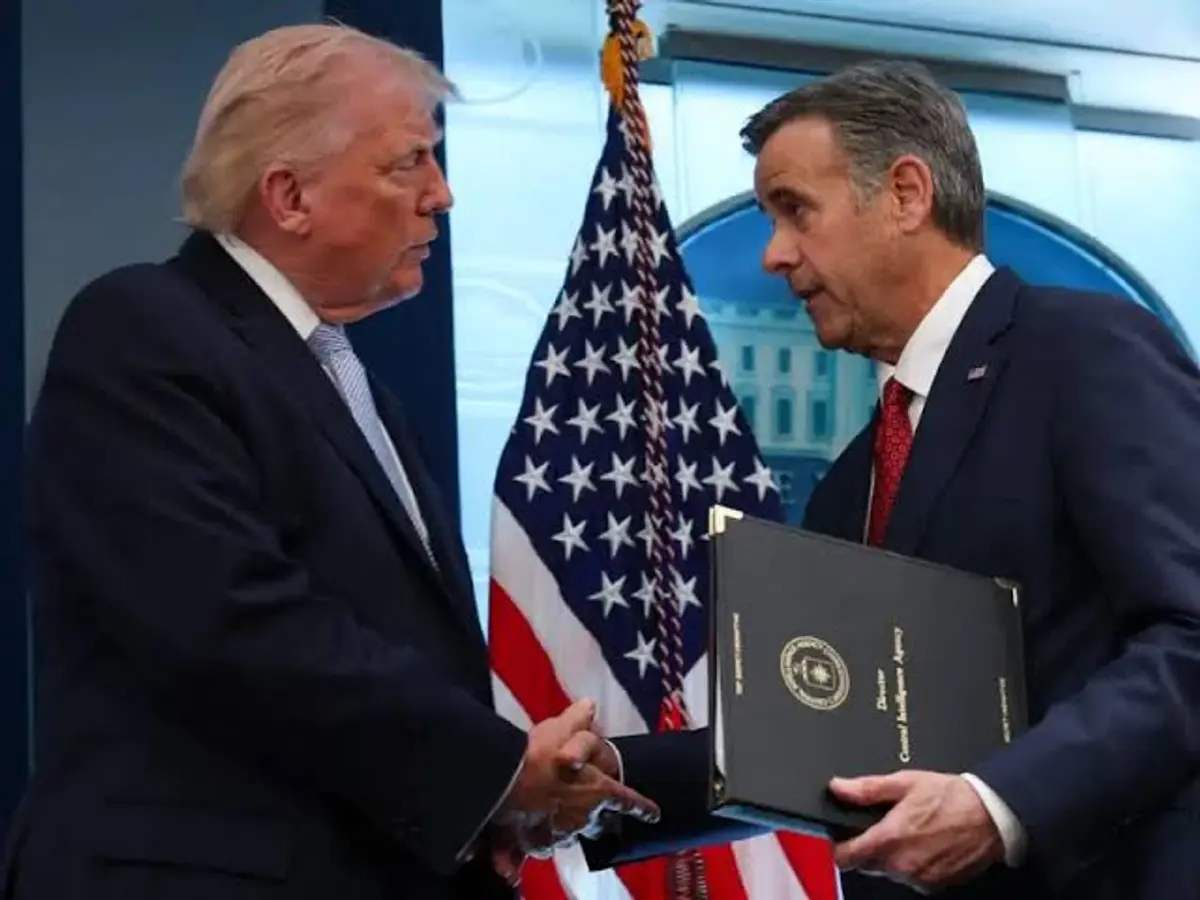
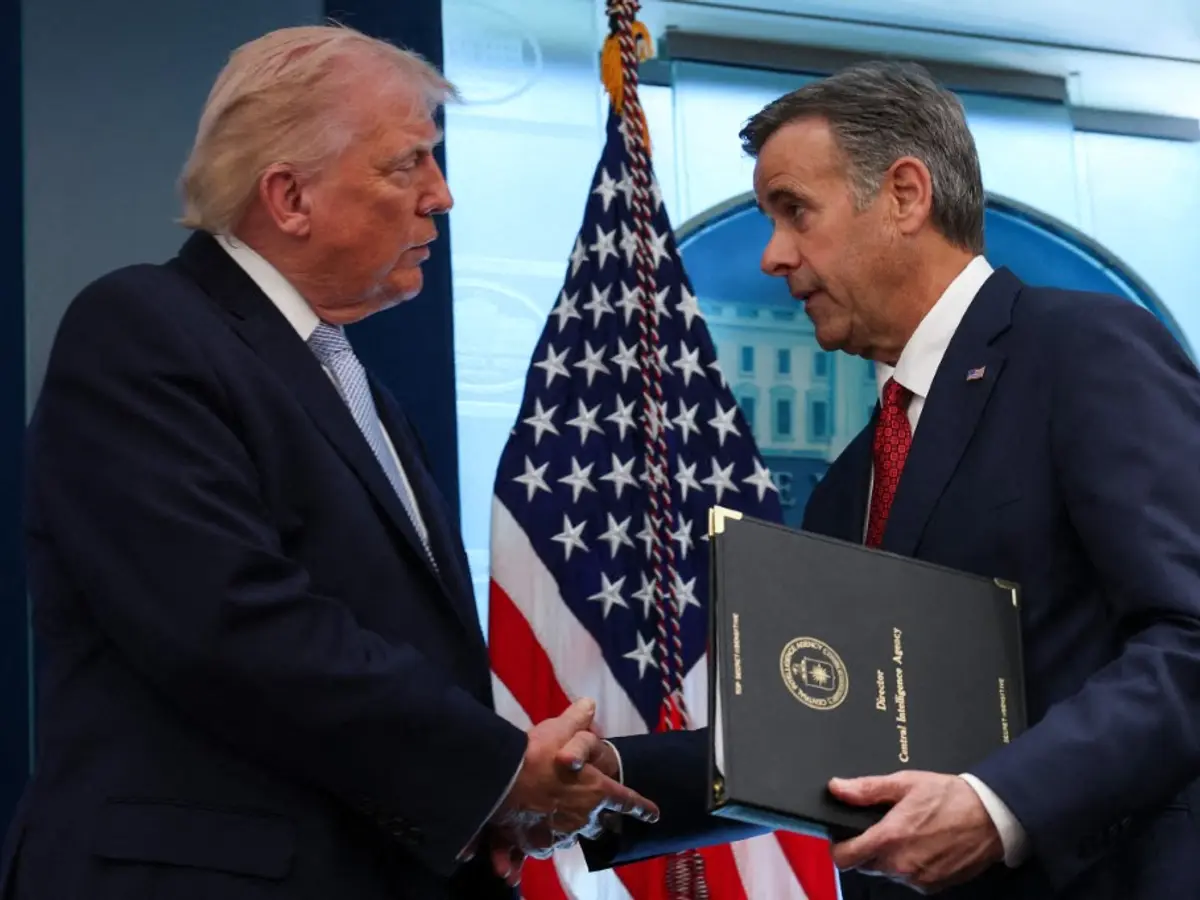
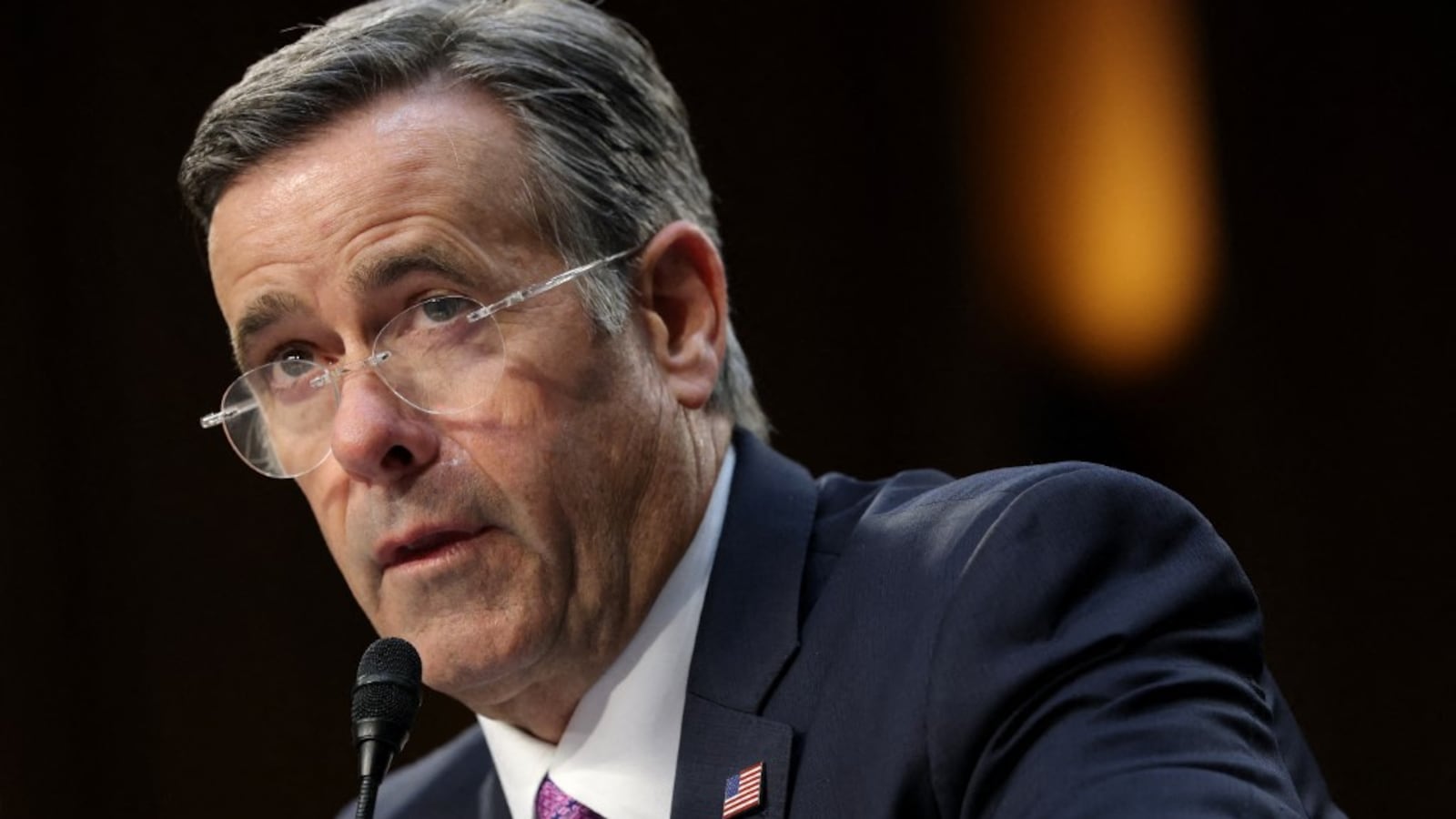
Donald Trump reportedly sent CIA Director John Ratcliffe to Moscow without telling many senior American officials.
Ratcliffe traveled on a U.S. military aircraft from Latvia.
He spoke with Russian intelligence officials, but not with President Vladimir Putin.
The exact message he carried has not been made public.
European officials said he reminded Russia that NATO countries promise to defend one another.
They also said he warned Russia not to attack NATO members.
Ratcliffe reportedly tried to restart talks to end the war in Ukraine.
He also urged Russia to reduce its cooperation with Iran.
Trump said he did not expect Russia to attack NATO territory.

CIA Director John Ratcliffe reportedly traveled secretly to Moscow this week at Donald Trump’s direction.
Several senior White House and military officials reportedly did not know about the mission in advance.
The Kremlin confirmed Ratcliffe held intelligence-level contacts but said he did not meet Vladimir Putin.
European officials said Ratcliffe reaffirmed NATO’s Article 5 and warned Russia against attacking alliance members.
The discussions reportedly covered Ukraine negotiations, Russia’s ties with Iran, and concerns about NATO security.
- Who
- CIA Director John Ratcliffe, Donald Trump, Russian intelligence officials, and European officials were involved or briefed.
- What
- Ratcliffe reportedly made a secret Moscow trip for intelligence-level contacts and discussions about Ukraine, NATO, and Iran.
- Where
- Ratcliffe traveled to Moscow from Latvia aboard a U.S. C-17 military transport aircraft.
- When
- The trip took place this week, with related comments reported on Thursday.
- Why
- The reported mission addressed stalled Ukraine peace efforts, Russia’s relationship with Iran, and concerns about possible threats to NATO.
Security Concerns
Trump Administration’s Public Position
Risk to NATO
Security Concerns
U.S. and European intelligence assessments reportedly warn that Moscow could test NATO’s resolve in coming years, while European officials have raised concerns about hybrid operations and possible false-flag incidents.
Trump Administration’s Public Position
Donald Trump said Vladimir Putin would not attack NATO territory, and Latvia’s prime minister said there was currently no reason for concern and that Latvia’s threat level had not changed.
Significance of the Moscow trip
Security Concerns
The mission’s secrecy, its high-level intelligence contacts, and its timing led officials to view it as a sensitive warning and diplomatic effort.
Trump Administration’s Public Position
Trump described the trip as “semi-routine,” downplaying speculation that Ratcliffe had traveled to deliver a major warning to the Kremlin.
Diplomatic approach
Security Concerns
The reported outreach reflects continued concern that Russia is resisting negotiations and escalating attacks while maintaining ties with Iran.
Trump Administration’s Public Position
The administration reportedly used the CIA director’s existing intelligence channels to seek a new route toward Ukraine talks and press Russia to distance itself from Iran.
Key facts
- Traveler
- John Ratcliffe, director of the Central Intelligence Agency
- Mission direction
- The trip was reportedly ordered by Donald Trump, who restricted knowledge of it.
- Aircraft route
- Ratcliffe traveled from Latvia to Moscow aboard a U.S. C-17 military transport aircraft.
- Russian contact
- The Kremlin confirmed intelligence-level contacts with Ratcliffe.
- Meeting with Putin
- The Kremlin said Ratcliffe did not meet Vladimir Putin.
- NATO message
- European officials said Ratcliffe reaffirmed NATO’s Article 5 and warned against attacks on alliance members.
- Other issues
- The discussions reportedly included Ukraine negotiations and Russia’s economic and security cooperation with Iran.
- Official responses
- The CIA declined to comment, while the White House referred to Trump’s public remarks.
Quotes

Andris Kulbergs
Latvia’s prime minister
“Latvia's level of military threat hasn't changed. The risk of direct military invasion threats to Latvia is currently low.”
 NDTV
NDTV
“There is currently no reason for concern”
NDTV
Sources
Related news
Ratcliffe’s Secret Moscow Mission Pressed Russia on Ukraine, NATO
CIA Chief Warned Russia Against NATO Attack During Moscow Visit
Ratcliffe’s Moscow Trip Draws Kremlin Confirmation, Trump Downplays Mission
Ratcliffe's Reported Moscow Visit Raises Questions Amid Stalled Ukraine Talks
Ratcliffe’s Moscow Visit Revives Questions About U.S.-Russia Warnings
CIA Chief Reportedly Visits Moscow Amid Calls To Halt Strikes
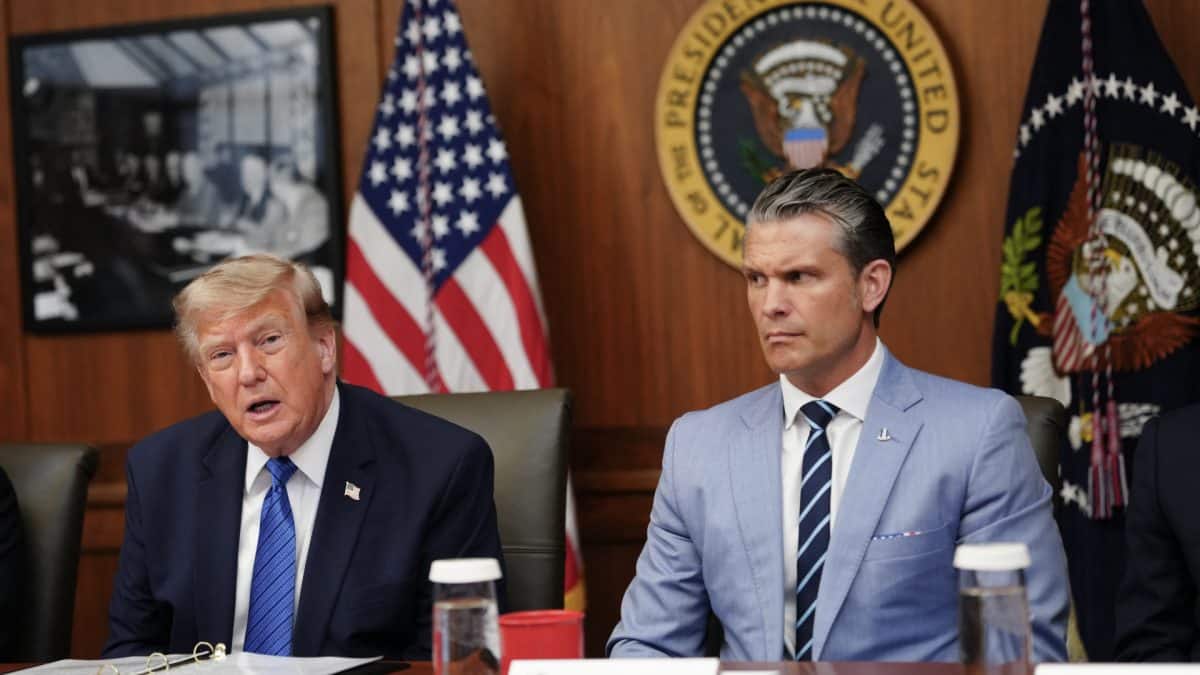
Pentagon Turmoil Deepens as Hegseth Tightens Grip on Military

Germany Blames Russia for Leipzig Drone Attack, Europe Vows Response
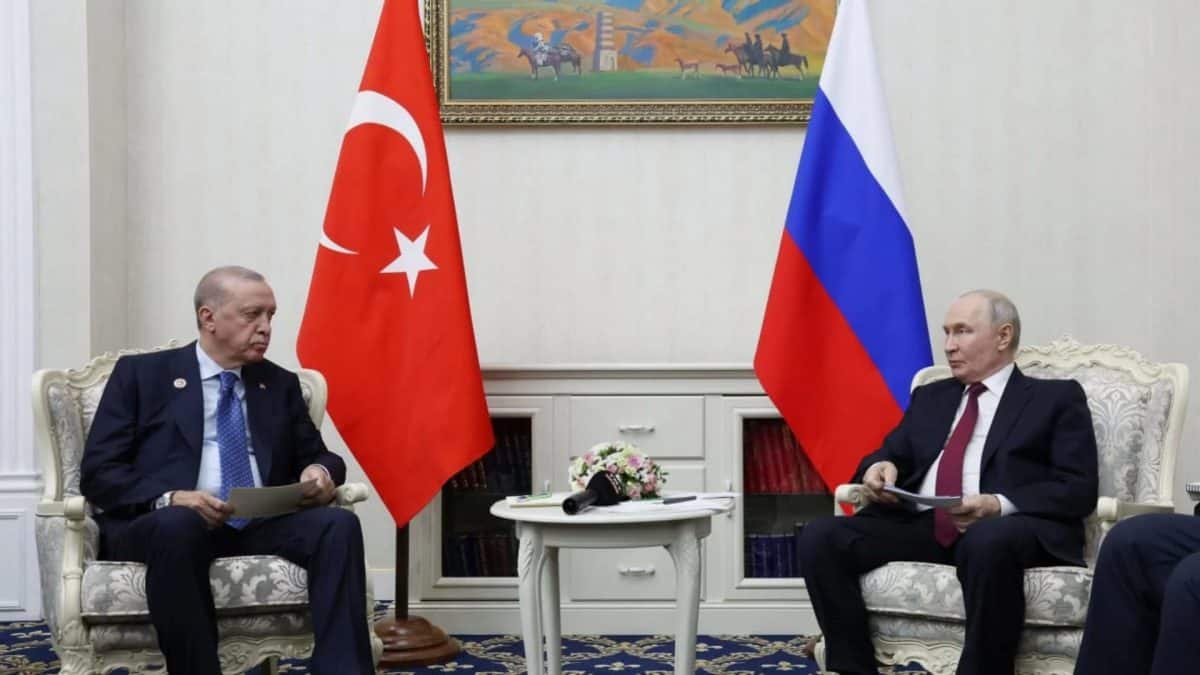
Erdogan Says Turkey Would Consider Full Shanghai Cooperation Organisation Membership
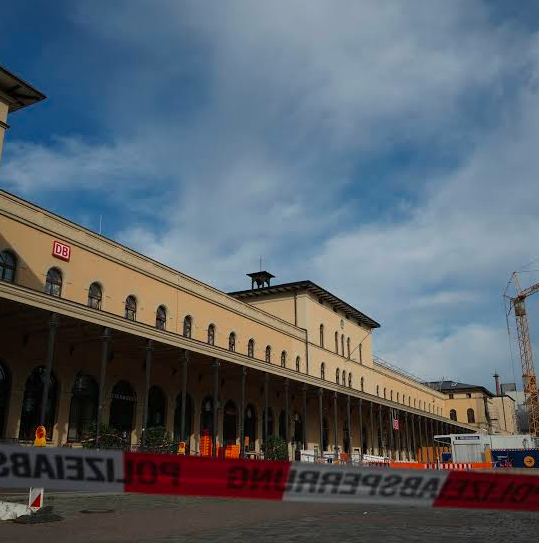
Augsburg Train Station Closed After Explosion, Suspicious Object Found

Taliban Offers Afghan Mineral Wealth as Washington Weighs Engagement
