Archive · 1 Dec 2025
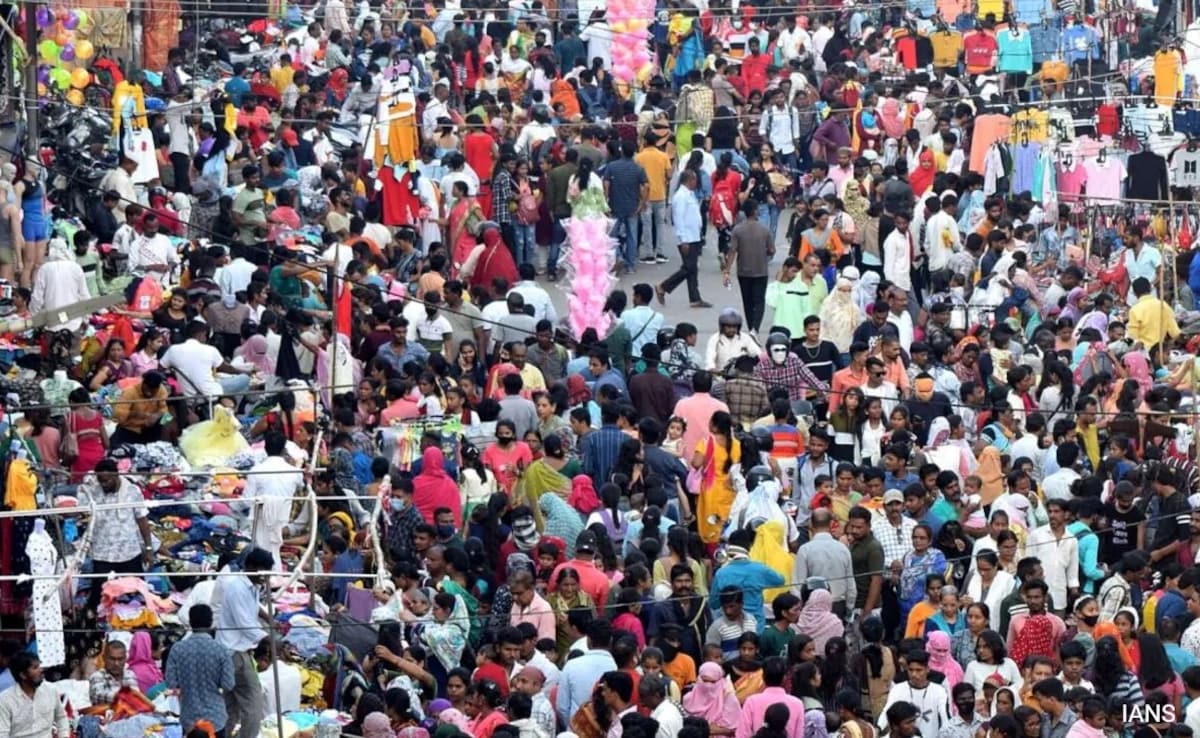
India's Population to Stabilise by 2080
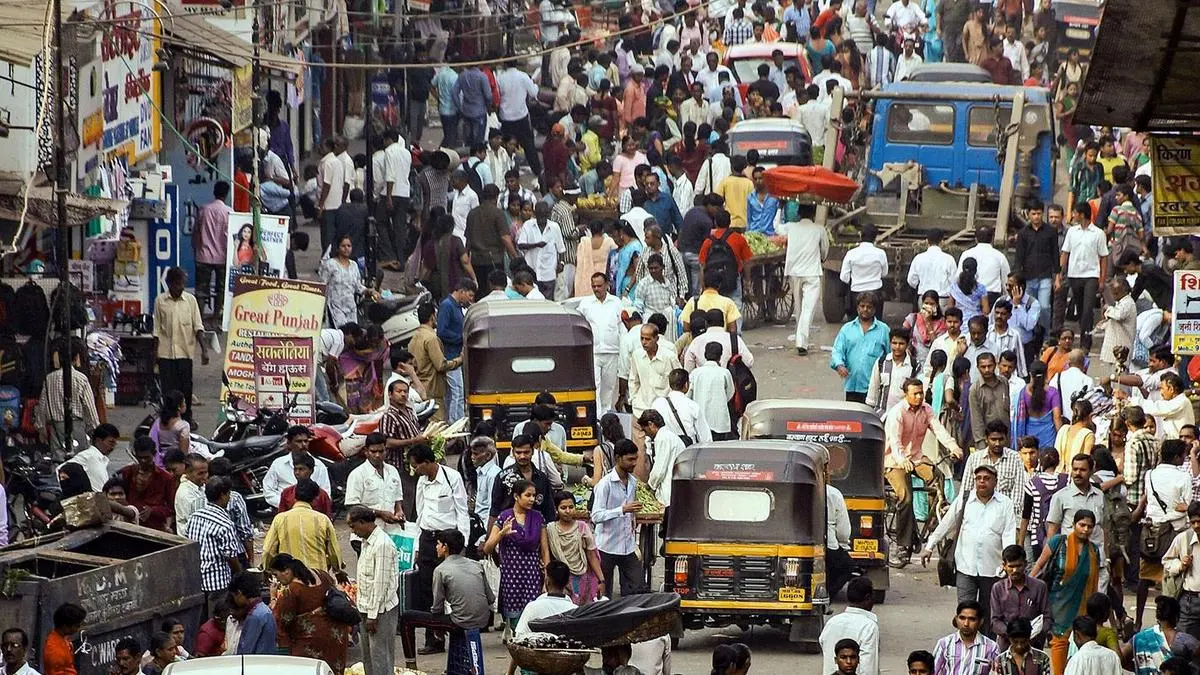
India's population is expected to stop growing and stay around 1.8 to 1.9 billion by the year 2080.
This is because people are having fewer children.
In the year 2000, the average number of children per woman was 3.5, but now it is 1.9.
This change is happening because more people are educated, especially women, and they are using birth control to plan their families.
States like Kerala and West Bengal already have very low numbers of children per woman.
While fewer children are being born, people are living longer, which means there will be more older people who need care.
Experts are discussing ways to help with this, like day-care centers for the elderly.

India's population is expected to stabilise at 1.8-1.9 billion by 2080 due to a decline in the total fertility rate (TFR).
The TFR has dropped from 3.5 in 2000 to 1.9 currently, attributed to increased education, female literacy, and contraceptive use.
West Bengal's TFR has decreased to 1.3 in 2023 from 1.7 in 2013, ranking among the lowest in the country.
Kerala achieved replacement-level fertility (2.1) between 1987 and 1989 and now has a TFR of around 1.5.
Rising life expectancy and falling birth rates present new challenges for elderly care, with discussions on solutions like elderly day-care facilities.
- Who
- Indian Association for the Study of Population (IASP) and Anil Chandran
- What
- India's population is expected to stabilise by 2080 due to a dip in the total fertility rate (TFR)
- When
- The population is expected to peak and stabilise by 2080. The TFR was 3.5 in 2000 and is now 1.9.
- Where
- India, with specific mentions of Kerala and West Bengal
- Why
- The decline in TFR is attributed to increasing development, education levels, female literacy, greater use of contraceptives, and economic opportunities for women.
Proponents of Development and Education
Traditionalists
Factors Influencing Fertility Rates
Proponents of Development and Education
Increased development, education, female literacy, and access to contraceptives are driving the decline in fertility rates.
Traditionalists
Traditional values and cultural norms may resist these changes, potentially leading to slower declines in fertility rates in some communities.
- Current TFR
- 1.9
- TFR in 2000
- 3.5
- Expected Population in 2080
- 1.8-1.9 billion
- West Bengal's TFR (2023)
- 1.3
- West Bengal's TFR (2013)
- 1.7
- Kerala's Current TFR
- 1.5
- Replacement-level fertility
- 2.1
- IASP Founded
- 1971
- IASP Members
- 1,100 demographers and population scientists
Sources
India’s population to stabilise by 2080 due to dip in fertility rate: IASP
India's Population to Stabilise by 2080 Due to Dip in Fertility Rate: IASP

India's population to stabilise by 2080 due to dip in fertility rate: IASP
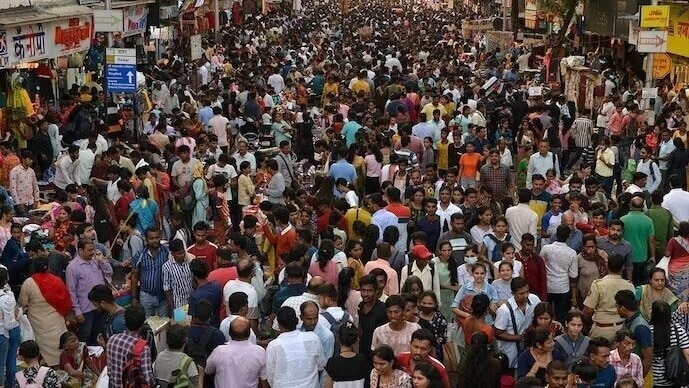
Bengal's fertility among the lowest: India's population will stabilise below 2 bn by 2080

India's population to stabilise near 1.8-1.9 billion by 2080 amid improved education, female literacy, family planning