

Archive · 30 Dec 2025
Southeast Asia Faces Economic Hit from Lung Disease Crisis
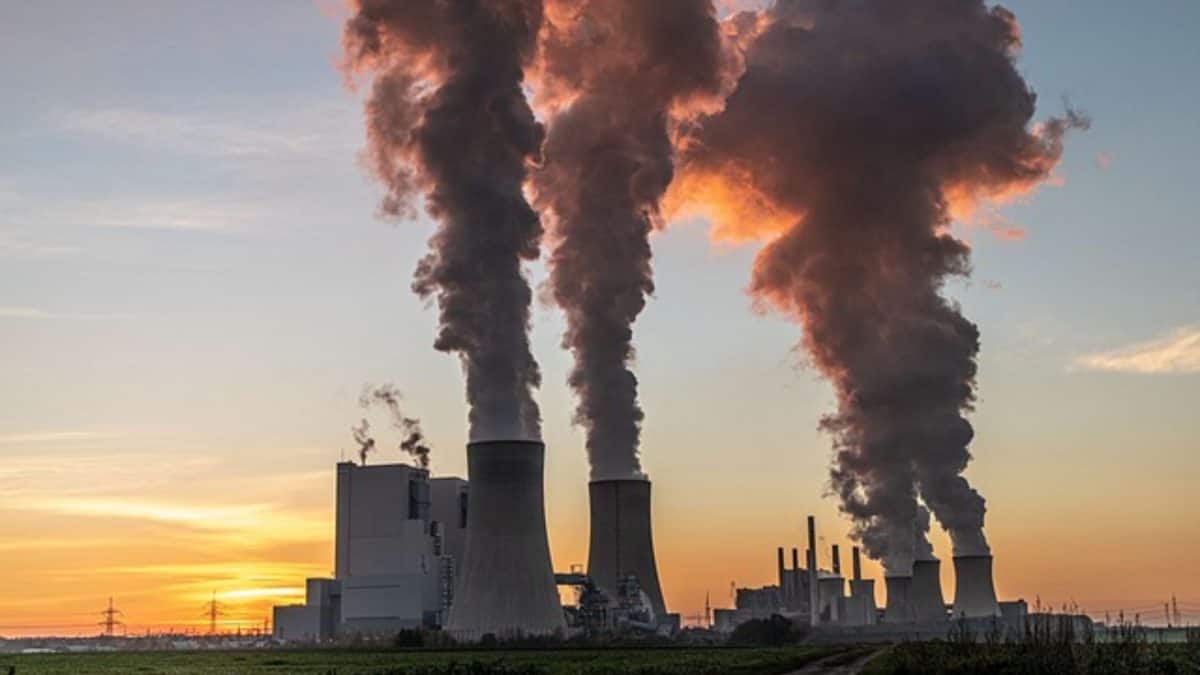
Southeast Asia is facing a big problem with lung diseases caused by dirty air.
This is not just a health issue but also an economic one.
The dirty air comes from cars, factories, and burning things, and it makes people sick.
The World Health Organization says this could cost the region a lot of money by 2050, up to $591 billion.
This is because sick people can't work as much, and treating them costs a lot.
To fix this, the region needs to use cleaner energy, make stricter rules for pollution, and plan cities better to reduce exposure to dirty air.

Southeast Asia faces economic and health challenges due to rising lung diseases linked to air pollution.
PM2.5 particles from vehicle emissions, industrial activity, and biomass burning are the primary cause.
Projected economic losses due to health impacts could reach up to $591 billion by 2050.
Health impacts include chronic respiratory conditions, heart disease, cancer, and premature death.
Solutions include investing in cleaner energy, stricter emissions standards, and better urban planning.
- Who
- Southeast Asian populations, especially in urban and industrial areas
- What
- Economic and health impacts from rising lung diseases due to air pollution
- When
- Current and projected impacts up to 2050
- Where
- Southeast Asia
- Why
- Increasing air pollution from various sources leading to higher rates of lung diseases and economic losses
- Region Affected
- Southeast Asia
- Primary Cause
- Air pollution (PM2.5 particles)
- Projected Economic Loss
- Up to $591 billion by 2050
- Sources of Pollution
- Vehicle emissions, industrial activity, biomass burning
- Health Impacts
- Chronic respiratory conditions, heart disease, cancer, premature death
- Proposed Solutions
- Cleaner energy, stricter emissions standards, urban planning