

Archive · 8 Jan 2026
Spinach's Role in Treating Anaemia
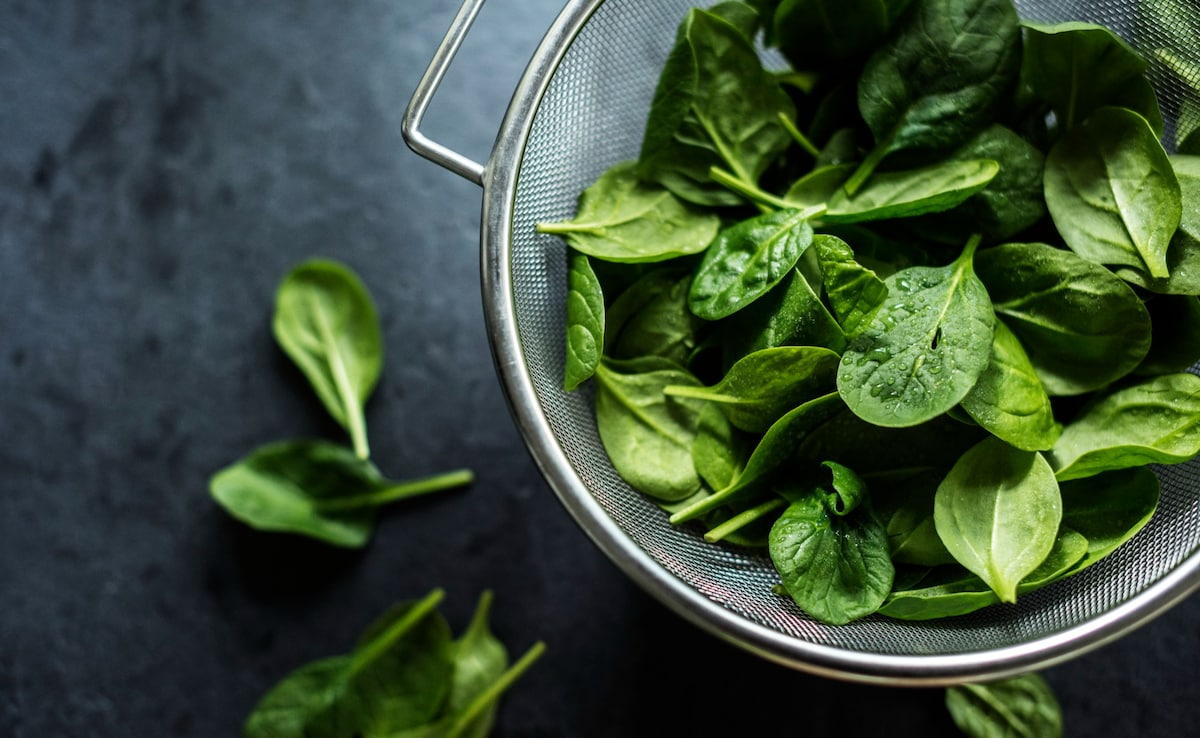
Spinach is often thought to help with anaemia because it contains iron.
However, the iron in spinach is not easily absorbed by the body due to oxalates.
Potassium in spinach supports heart health but does not directly treat anaemia.
To absorb more iron from spinach, you can add vitamin C, like lemon juice, or cook it in a cast-iron pan.
While spinach can be part of a healthy diet, it's important to include other iron-rich foods like lentils, sesame seeds, and millets.
For those with anaemia, dietary changes should be combined with medical advice.

Spinach is rich in potassium and iron, but potassium does not directly treat anaemia.
Anaemia is caused by low haemoglobin, which requires iron for production.
Spinach contains oxalates that reduce iron absorption, making it less effective in treating anaemia.
Vitamin C can significantly increase iron absorption from spinach.
Cooking spinach in a cast-iron kadhai can naturally increase its iron content.
- Who
- People, especially women and children in India, affected by anaemia
- What
- The role of spinach in treating anaemia and the importance of iron absorption
- When
- Currently, as anaemia is a prevalent health issue in India
- Where
- India, focusing on dietary habits and traditional cooking methods
- Why
- To understand the effectiveness of spinach in treating anaemia and the importance of proper nutrient absorption
- Prevalence of Anaemia in India
- 67% of children and 57% of women in reproductive age group
- Iron Content in Spinach
- 2.7 mg per 100 g
- Iron Absorption Rate from Spinach
- 2% to 5%
- Vitamin C's Effect on Iron Absorption
- Increases iron absorption by nearly fourfold
- Iron Content Increase with Cast-Iron Cooking
- Significant increase when cooked in cast-iron kadhai